NASA's MAVEN Mission Concludes: A Look Back at 11 Years of Martian Atmosphere Exploration
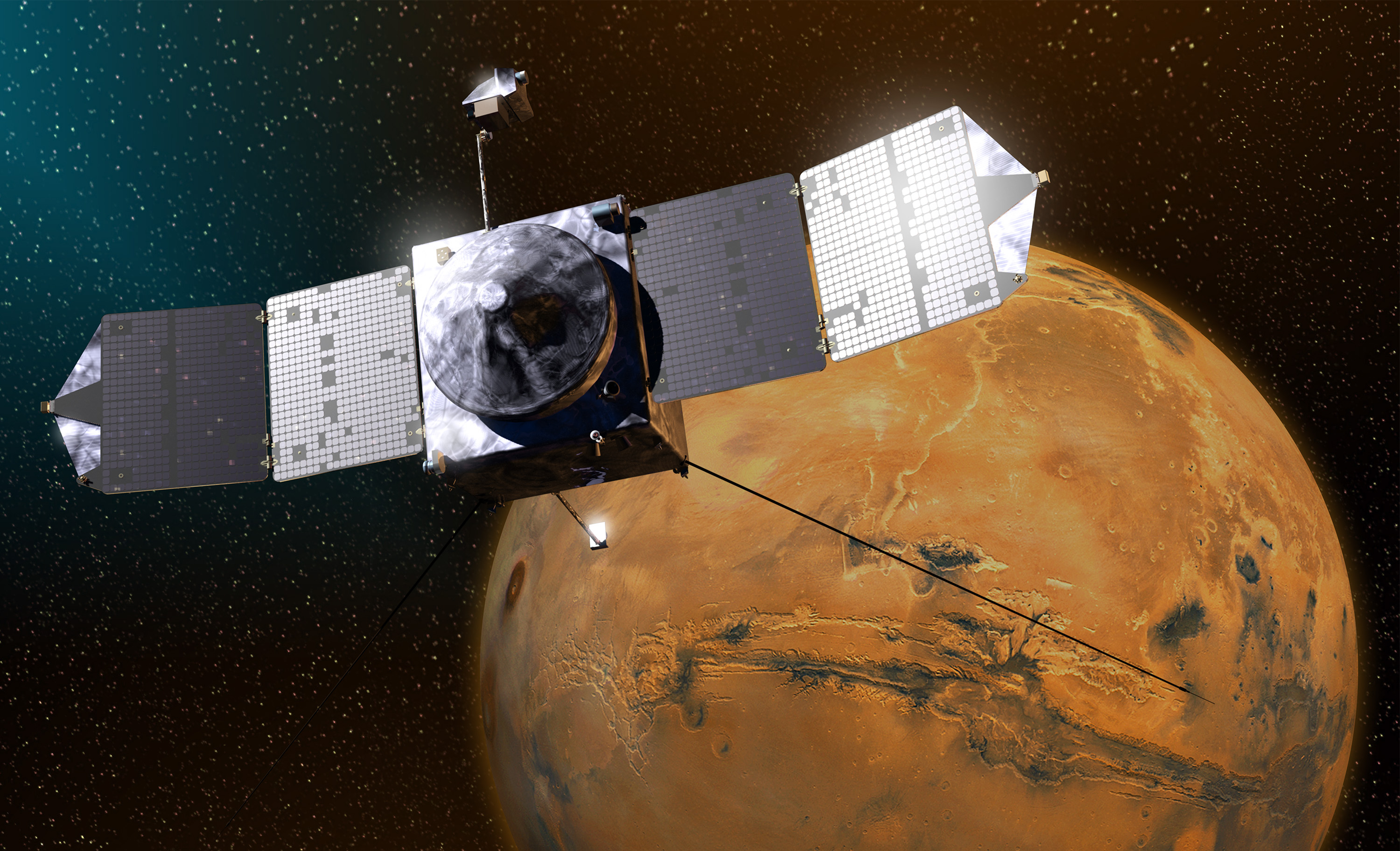
NASA's MAVEN mission, dedicated to studying the Martian atmosphere and its evolution, has concluded after over 11 years in orbit around Mars. The spacecraft lost signal unexpectedly on December 6, and subsequent efforts to recover it have been unsuccessful. The MAVEN spacecraft is now deemed unrecoverable and unable to continue its scientific mission. The anomaly review board is still investigating the root cause of the spacecraft's malfunction.
Telemetry data from MAVEN indicated normal functioning before it passed behind Mars, but upon reemergence, the spacecraft was in safe mode and rotating at a high rate, leading to a drained battery and loss of communication. The official decommissioning process has begun, and the mission's data will be archived for future research and exploration purposes.
Launched in 2013, MAVEN has provided valuable insights into Mars' upper atmosphere, ionosphere, and interactions with the Sun. The mission's findings have significantly advanced our understanding of Martian atmospheric loss, climate change, and habitability. MAVEN's discoveries include the impact of solar storms on atmospheric erosion, the occurrence of unique auroras on Mars, and the process of atmospheric sputtering leading to the loss of gases into space.
In addition to its scientific contributions, MAVEN played a crucial role in NASA's Mars Relay Network, aiding in data communication between Mars rovers and Earth. The mission's legacy will continue to inform future missions to Mars and deepen our knowledge of the Red Planet's atmosphere and evolution.