Robbie: The Lifelike Caregiving Robot Transforming Lives
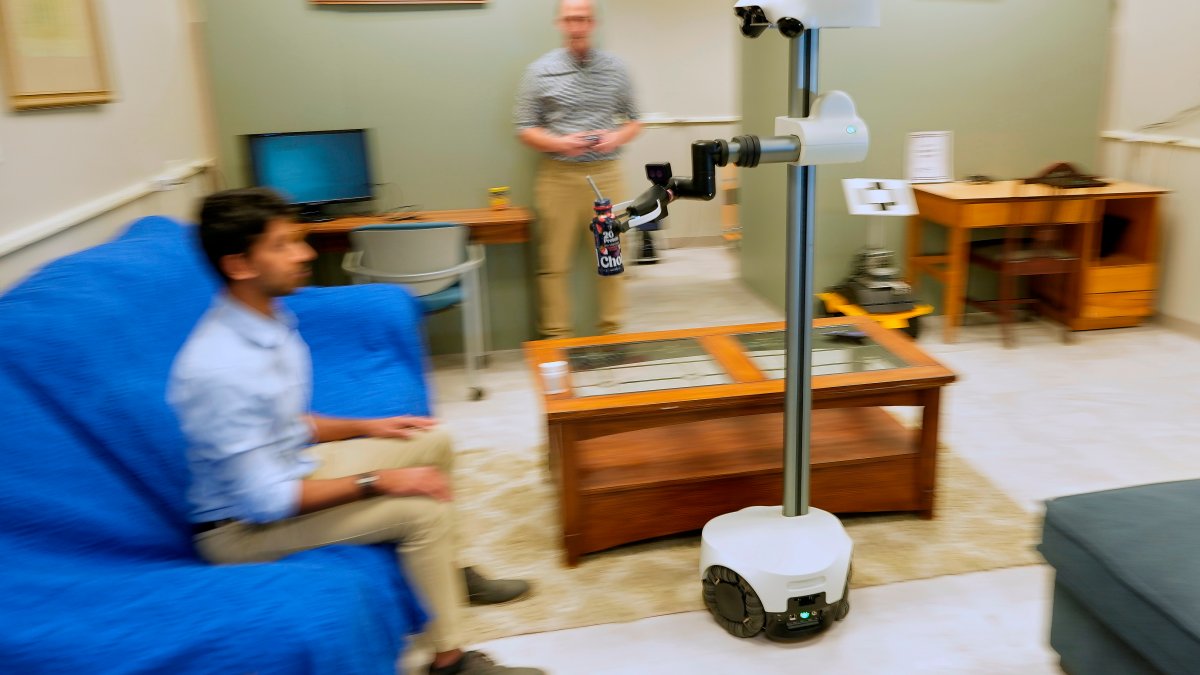
Brenda and Brian Marquis, who have faced challenges in their daily life due to Brian's traumatic brain injury, found assistance in a robot named Robbie. This robot, developed by the University of New Hampshire, helps Brian with exercises and reminders throughout the day. The quest for lifelike and helpful home robots has been ongoing for decades, especially as the need for home care aides increases with the aging population and workforce challenges.
Robbie, also known as Stretch 4, is a wheeled robot that assists the Marquis family with various tasks. Initially seeking advice on robotic dogs, Brenda Marquis connected with a robotics professor at UNH, leading to the introduction of Robbie into their lives. The robot, stationed between the kitchen and bedroom, plays a crucial role in reminding Brian to eat, drink, and engage in daily activities.
The Marquis couple, both facing physical, cognitive, and emotional disabilities, found it challenging to secure adequate home care support in New Hampshire. This prompted Brenda to explore robotics as a solution to their needs. Through an email exchange with a UNH professor, they were introduced to Robbie, a socially assistive robot designed to aid individuals with dementia and other conditions.
Momotaz Begum, the UNH computer science professor behind the development of socially assistive robots, conducted focus groups with older adults to understand their preferences. While some initially found Robbie's design resembling a coat hanger, the functionality and assistance it provides outweighed any aesthetic concerns. The robot's practicality and simplicity make it a valuable companion for individuals like the Marquis family.
Unlike traditional caregiving robots or AI-powered devices, Robbie offers mobility and functionality that cater to the specific needs of its users. With features like a telescoping gripper for retrieving items and reading labels, Robbie enhances the daily lives of individuals like Brian Marquis. Its ability to adapt to different environments and interact with users makes it a valuable asset in the realm of assistive technology.
Manufactured by Hello Robot and priced at nearly $30,000, Robbie represents a step forward in the development of caregiving robots. Its personalized care protocol, including exercise routines, meal reminders, and hygiene prompts, demonstrates the potential of robotics in enhancing quality of life for individuals with disabilities. For the Marquis family, Robbie has not only alleviated caregiving responsibilities but also provided a sense of independence and freedom in their daily routines.
In conclusion, the introduction of Robbie, the caregiving robot, into the lives of Brenda and Brian Marquis showcases the transformative impact of assistive technology. As the field of robotics continues to evolve, innovative solutions like Robbie offer hope for individuals facing challenges in daily living. With its practical design and personalized care capabilities, Robbie exemplifies the potential of robotics in enhancing the well-being and independence of individuals with disabilities.