Urban Bird Vocalizations: The Impact of Noise Reduction Efforts in Paris
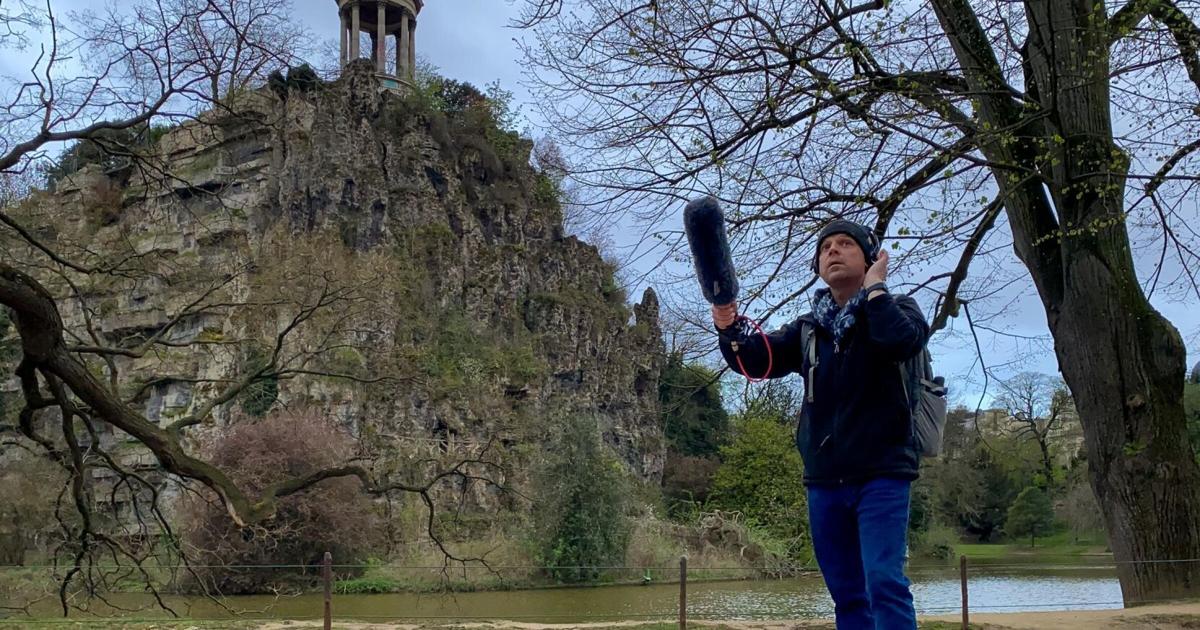
Dan Mennill, a biology professor at the University of Windsor, conducted a study in Paris to investigate the impact of the city's noise reduction efforts on urban birds. The study focused on the loud-talking great ****, also known as Parus major, that inhabit the city and have adapted to the constant urban noise. These birds can be heard chirping and singing in the trees near iconic landmarks like the Eiffel Tower, competing with the sounds of traffic, sirens, and tourists.
Mennill's research aimed to determine whether the noise pollution mitigation measures implemented in Paris have influenced the behavior and vocalizations of urban birds like the great ****. The study observed how these birds have adjusted their communication strategies to be heard amidst the urban cacophony. By analyzing the vocalizations and behaviors of the great **** in response to the city's noise levels, Mennill sought to understand the impact of urban noise on bird populations.
The findings of Mennill's study shed light on the adaptability of urban birds like the great **** in response to environmental changes caused by human activities. The research highlights the resilience of these birds in adapting their communication methods to survive in noisy urban environments. By studying the vocalizations and behaviors of urban birds, scientists can gain insights into the effects of noise pollution on wildlife and the strategies they employ to cope with urban challenges.
In conclusion, Dan Mennill's study in Paris provides valuable insights into the relationship between urban noise pollution and the vocalizations of birds like the great ****. The research underscores the importance of understanding how wildlife adapts to urban environments and the potential impacts of human activities on bird populations. By studying the behavior and communication patterns of urban birds, scientists can enhance their knowledge of the ecological dynamics in cities and develop conservation strategies to protect wildlife in urban settings.