The Diplomatic Void: The Impact of Career Foreign Service Officer Departures on U.S. Diplomatic Capabilities
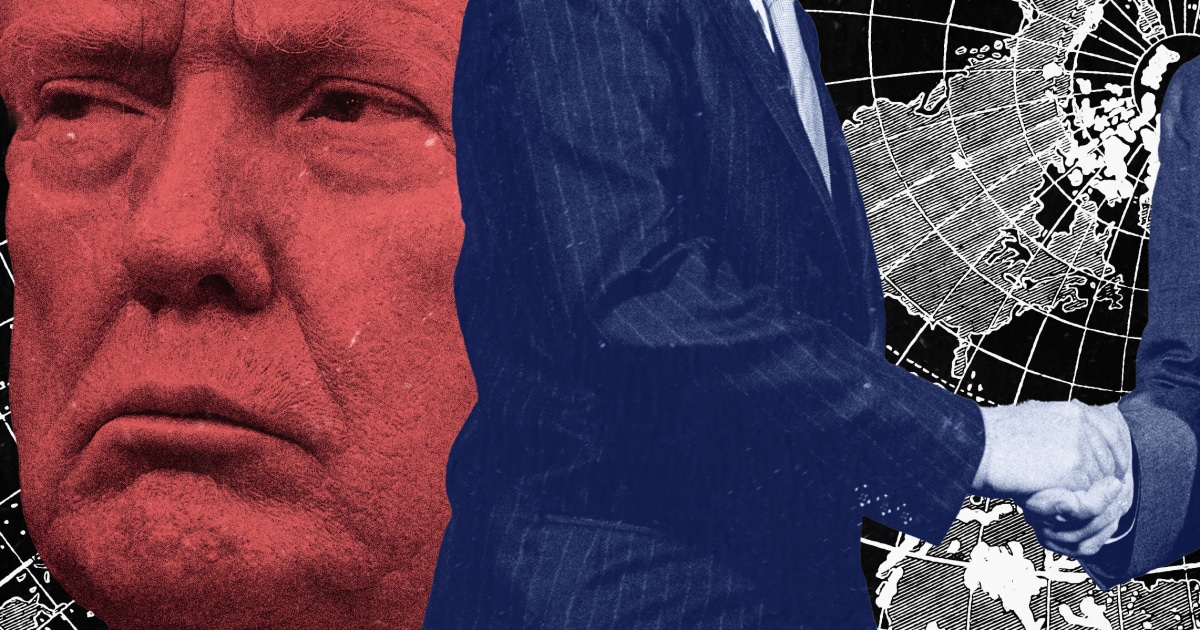
Kelly Adams-Smith, a dedicated U.S. Foreign Service diplomat, served her country for almost three decades alongside her husband. Despite her extensive experience and qualifications, her nomination as ambassador to Moldova in 2024 was unexpectedly withdrawn by the Trump administration. This decision, along with similar actions affecting other senior career foreign service officers, has led to a wave of retirements from the State Department. The departure of experienced diplomats has left the U.S. at a critical disadvantage in addressing foreign policy crises.
The American Foreign Service Association reported that around 2,000 U.S. diplomats have left the Foreign Service in the past year due to layoffs or forced retirements. This exodus has resulted in a loss of institutional knowledge, crisis response expertise, and specialized language skills within the State Department. The absence of seasoned diplomats has created a leadership vacuum, with numerous ambassadorial positions remaining vacant around the world, including in critical regions like Moldova, the Democratic Republic of the Congo, and Ukraine.
The Trump administration's decision to withdraw ambassadorial nominations for career senior foreign service members and recall career ambassadors already in their posts has further exacerbated the situation. The administration's preference for political appointees over career diplomats in key leadership positions has left many embassies without Senate-confirmed ambassadors, hindering effective diplomatic engagement and crisis management efforts. The sidelining of career experts in high-level negotiations has raised concerns about the administration's approach to foreign policy decision-making.
The State Department's reorganization efforts, including changes to performance evaluation criteria and promotion processes, have also raised concerns among current and former foreign service officers. The emphasis on loyalty and political alignment in evaluations has led to fears of a partisan Foreign Service that could undermine consistent foreign policy objectives. The sidelining of career diplomats in favor of political appointees has raised questions about the administration's commitment to leveraging the expertise and experience of the diplomatic corps.
In conclusion, the departure of experienced career foreign service officers from the State Department has created a significant void in U.S. diplomatic capabilities, particularly in addressing complex foreign policy challenges and crises. The administration's preference for political appointees over career diplomats has raised concerns about the long-term impact on America's diplomatic effectiveness and global engagement. As the State Department grapples with leadership vacancies and institutional changes, the need for experienced diplomats to play a central role in shaping U.S. foreign policy remains crucial for safeguarding American interests and promoting international stability.