Protein-Packed Grains: Adding Nutrient-Rich Whole Grains to Your Diet
When considering whole grains, you may associate them with fiber and vitamins, but they can also be a good source of protein. Grains can be a valuable protein addition to your meals, especially for those following a plant-based diet. A classic example is the combination of beans and rice, which creates a high-protein and satisfying meal. Some grains offer as much or more protein per serving than an egg, along with essential nutrients like fiber, B vitamins, and antioxidants.
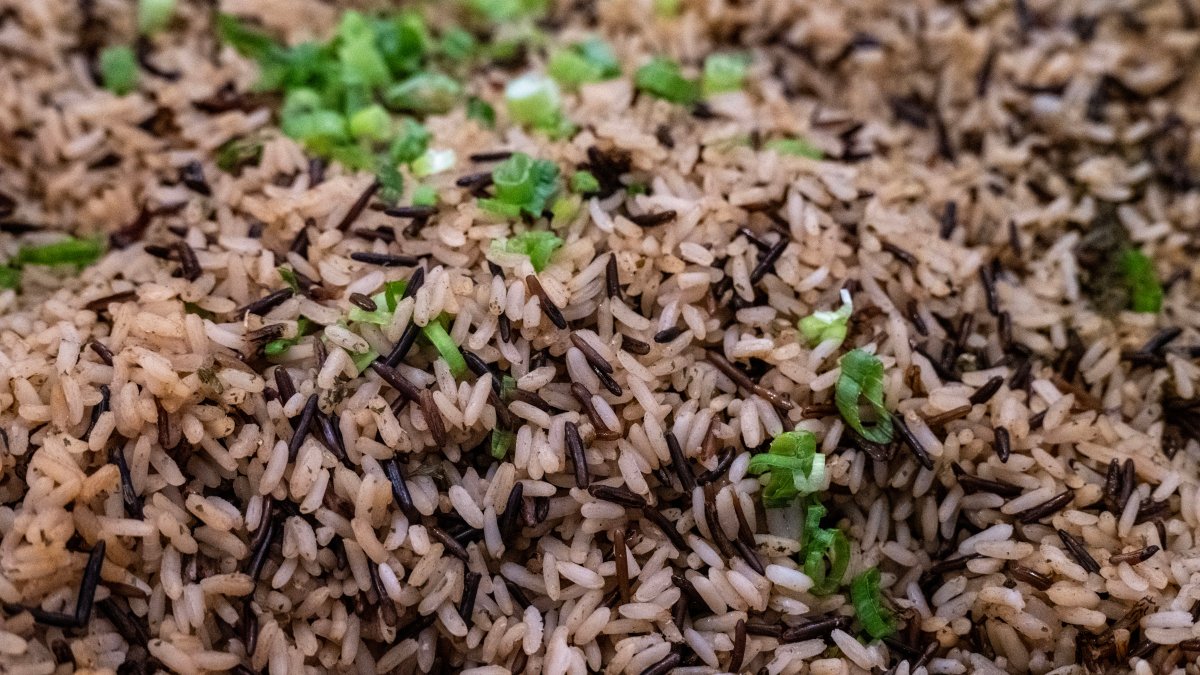
Wild rice stands out as the whole grain with the highest protein content. Despite not being technically rice, wild rice provides 6.61 grams of protein per standard serving. It also offers fiber, vitamins, and minerals similar to other whole grain rice varieties. With its chewy texture and nutty flavor, wild rice is versatile in various recipes, from casseroles to risottos.
Following closely behind wild rice in protein content is spelt, which contains 6.57 grams of protein per serving. Spelt is commonly used in its ground flour form for baking. Kamut, another ancient grain, provides 6.53 grams of protein per serving and can be enjoyed as a porridge or in cereals. Quinoa, technically a seed, offers 6.3 grams of protein per serving and is rich in nutrients like fiber and heart-healthy fats.
Classic oats are a surprising source of protein, with 6 grams per serving, making them a recommended breakfast option. Amaranth and durum wheat, tied with oats in protein content, are also nutritious choices for incorporating protein-rich grains into your diet. These grains offer a balance of protein, fiber, and essential nutrients, making them valuable additions to a healthy diet.