President Trump's Approval Rating Hits Record Low Amidst Economic Crisis and Foreign Policy Challenges
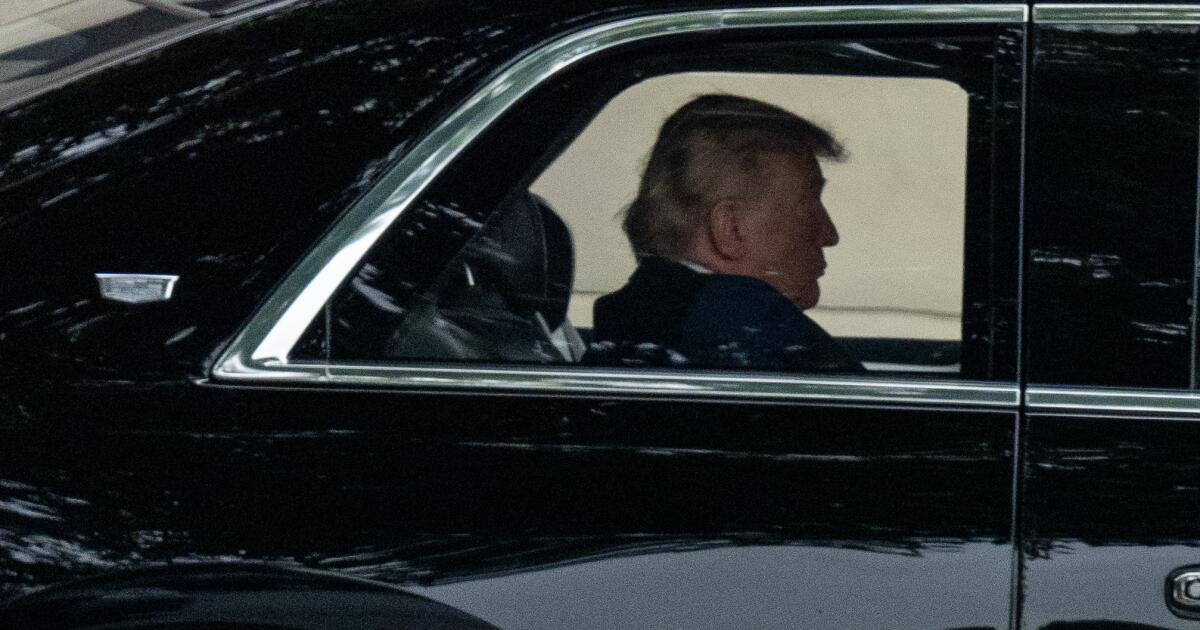
President Trump's approval rating hit a record low of 34% in a recent poll, signaling a significant decline in public support. This drop in approval comes amid a cost of living crisis and ongoing conflict with Iran, raising concerns for the upcoming midterm elections. Pollsters are questioning the president's core support and whether further erosion is possible, given softening Republican backing on key issues like the economy.
Despite a strong base of support, Trump is facing challenges as more Americans express dissatisfaction with his policies. Surveys indicate that a majority of Americans feel financially worse off since Trump took office, contributing to the decline in approval ratings. Additionally, opposition to the war with Iran and a shift in voter demographics have further complicated the political landscape for the president.
Political scientists note that polarization has reshaped approval ratings, tying them closely to partisanship. Unlike past presidents, Trump's approval ratings are less influenced by external events and more reflective of his persona. Trump himself has emphasized the connection between his actions and the MAGA movement, suggesting that criticism of him is akin to opposition to the movement itself.
The evolving nature of presidential approval ratings has led to changes in how they are measured and interpreted. Traditional methods of tracking popularity have shifted, with Gallup discontinuing individual political figure ratings. This shift reflects a broader transformation in how public opinion is gauged and understood in today's political climate.
In conclusion, President Trump's record-low approval rating highlights the challenges he faces as he navigates a divided electorate and contentious policy issues. The shifting dynamics of public opinion and the evolving nature of political polarization underscore the complexities of gauging presidential approval in the current political landscape.