Political Influence in Pentagon Funding: The Controversial Vulcan Loan Saga
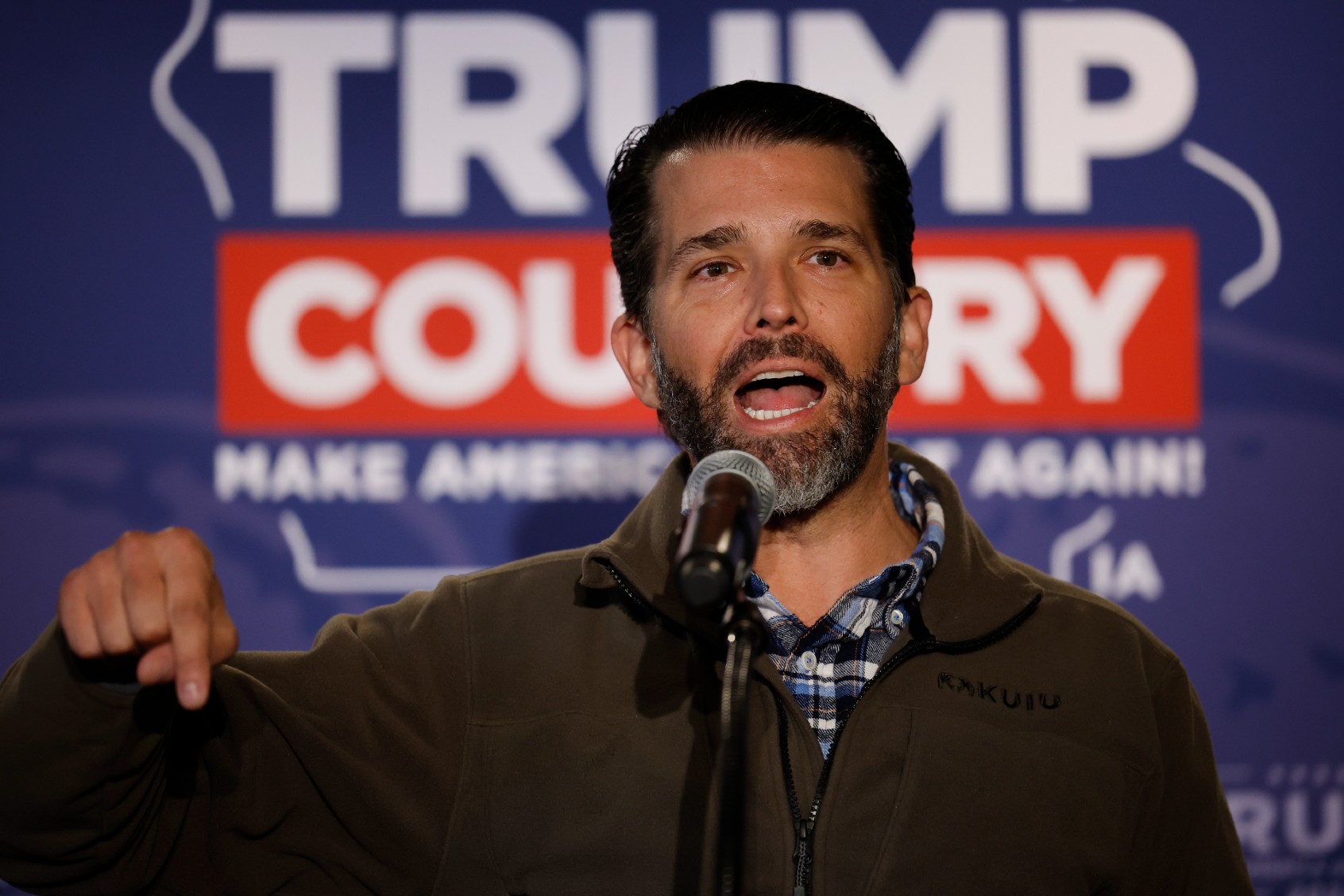
The Pentagon approved a $620 million loan to a North Carolina startup associated with Donald Trump Jr., sparking concerns of favoritism. Despite denials of political influence, records show that the loan request came from Peter Navarro, a White House adviser and friend of Trump Jr. The deal, initiated by a top aide to the president, was fast-tracked by Pentagon staff at the White House's behest. This loan is part of a series of actions benefiting companies linked to the Trump family, raising allegations of self-dealing.
Vulcan Elements, the recipient of the loan, is a rare-earth magnet company aimed at reducing U.S. dependence on China's critical mineral supply chains. The Pentagon's rapid approval of the loan led to a significant increase in Vulcan's valuation. Trump Jr.'s venture capital firm also invested in Vulcan before the deal was announced. Navarro and Trump Jr. have a close relationship, with Navarro playing a key role in the loan approval process.
The Office of Strategic Capital, responsible for the loan, aims to address national security concerns related to China's dominance in rare-earth elements. The Trump administration expanded the office's lending authority and changed its operations to prioritize deals with private companies. The Vulcan deal, along with others, has drawn scrutiny from lawmakers concerned about conflicts of interest and potential waste of taxpayer dollars.
The expedited loan to Vulcan, facilitated by White House intervention, highlights the influence of political connections in government funding decisions. The Pentagon's spokesperson emphasized the importance of balancing speed with diligence in closing high-impact deals. The Vulcan deal, along with potential future loans to critical mineral and military technology companies, underscores the need for transparency and accountability in government contracting.
In conclusion, the Vulcan loan saga sheds light on the intersection of politics and business in government funding decisions. The involvement of White House officials in expediting the loan process raises questions about favoritism and conflicts of interest. As the Office of Strategic Capital continues to deploy loans to critical mineral and military technology companies, the need for oversight and ethical governance remains paramount.