Controversy Surrounding Cenk Uygur and Hasan Piker: Freedom of Speech and Government Censorship
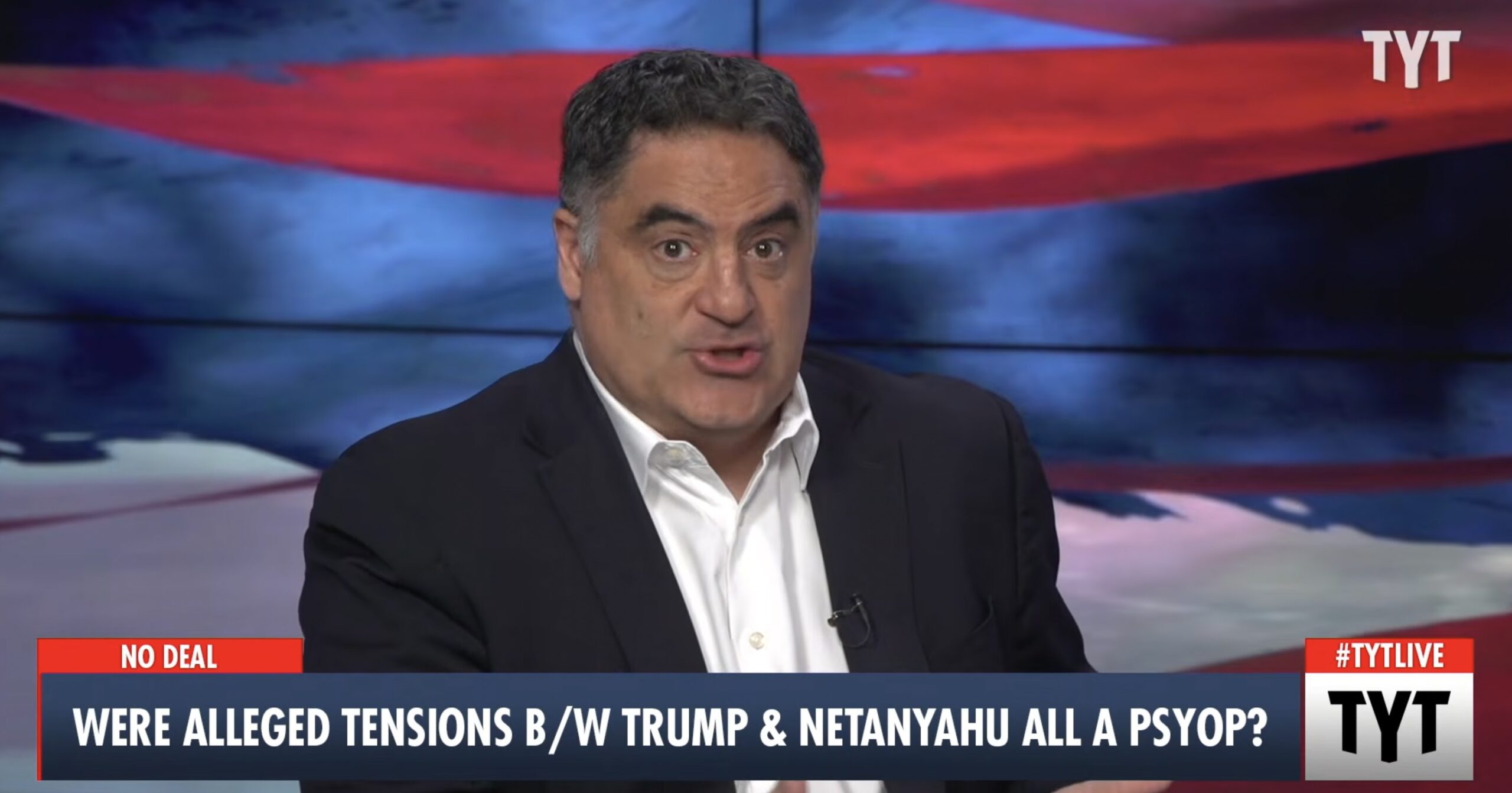
The co-founder and chief pundit of The Young Turks, Cenk Uygur, was denied entry into the United Kingdom due to concerns that his presence would not be in the public interest. This decision was made by British Home Secretary Shabana Mahmood, who cited Uygur's criticism of Israel as a factor in the ban. Uygur confirmed the ban in a social media post, expressing frustration at the restriction on his freedom of speech.
Uygur was scheduled to participate in the SXSW London festival, but his plans were disrupted by the UK government's decision. His nephew, Hasan Piker, a popular streamer and former TYT commentator, also revealed that his visa had been revoked, indicating a broader restriction on their family. Piker has been known for controversial statements, including suggesting that America deserved the 9/11 attacks and referring to Hamas as the "lesser of two evils" compared to Israel.
The ban on Uygur and Piker has sparked discussions about freedom of speech and government censorship. Uygur's criticism of Israel and Piker's controversial statements have raised questions about the boundaries of acceptable discourse and the role of governments in regulating speech. The incident has also highlighted the challenges faced by public figures who express unpopular or contentious opinions in a global context.
In conclusion, the denial of entry to Cenk Uygur and Hasan Piker by the UK government has ignited debates about freedom of speech, government censorship, and the limits of acceptable discourse. The incident underscores the complexities of navigating political and social issues in a globalized world, where individuals' statements and actions can have far-reaching consequences.