Empowering Homes: The Rise of Virtual Power Plants in Texas
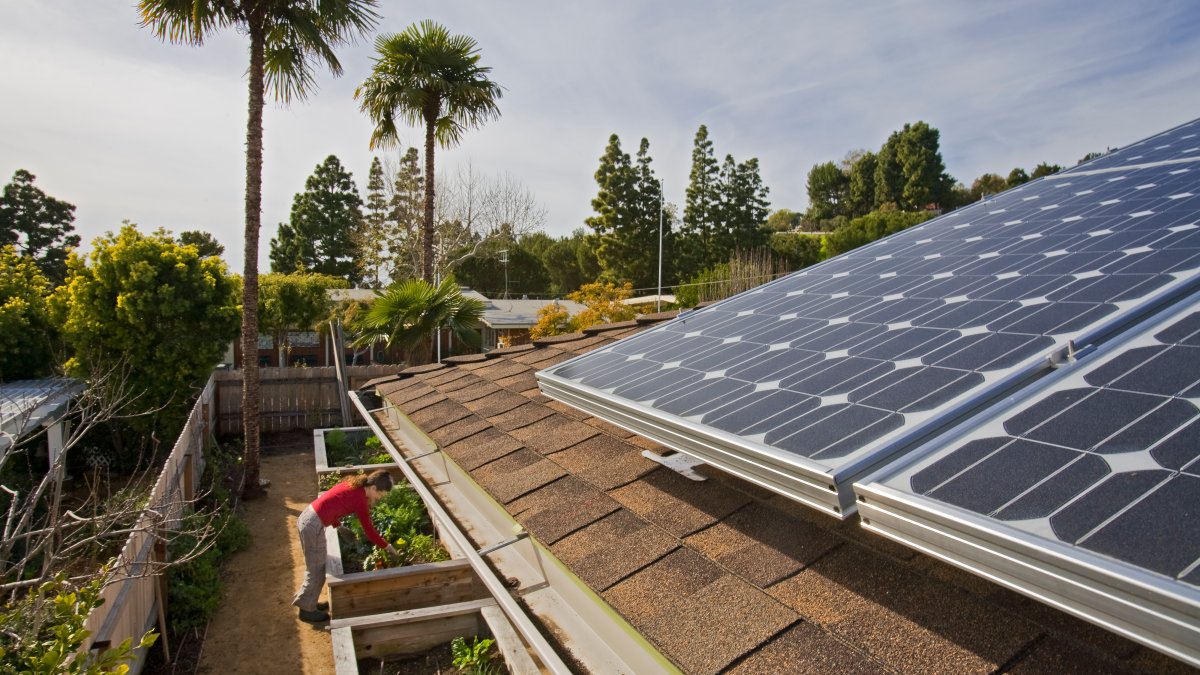
In Houston, Jeff and Jenny Wright have found a way to eliminate their electric bills by selling excess power back to the grid. This system, known as a virtual power plant (VPP), is gaining popularity in many states as a solution to the increasing demand for electricity. The Wrights have solar panels and Tesla battery packs that allow them to store and send back excess energy to the grid, earning them rewards and credits from their solar provider, Sunrun.
VPPs are being established in 35 states and Washington, D.C., with California and Texas leading the way. While the initial cost of installing solar panels can be high, the benefits of energy independence and resilience during extreme weather events make it worthwhile for many homeowners. Companies like Sunrun and Reliant see the broader implications of more houses contributing to VPP networks in terms of supporting the growing demand for power, especially with the rise of AI data centers across the country.
According to the U.S. Department of Energy, the country will need to add new resources to support about 200 gigawatts of peak demand. VPPs could play a significant role in reducing peak demand by 60 gigawatts by 2030, leading to substantial cost savings in the power sector. Sunrun, with over 100,000 customers enrolled in VPPs, aims to expand its fleet of dispatchable battery systems to 10 gigawatt-hours by 2028, providing a quick and efficient solution to stabilizing the power grid.
Reliant, another energy provider, is exploring innovative ways to power VPPs, including using electric vehicles parked in garages. By leveraging various sources of power, such as smart thermostats and EVs, VPPs can effectively contribute to grid stability and reduce overall energy demand. Jeff Wright's success with his home VPP system has sparked interest among his neighbors, highlighting the potential for collective action to benefit the entire community and the state of Texas.
In conclusion, the growing popularity of virtual power plants offers a promising solution to the increasing demand for electricity and the need for grid stability. By harnessing renewable energy sources and innovative technologies, homeowners like the Wrights are not only reducing their energy costs but also contributing to a more sustainable and resilient energy future for all.