Legal Battle Over Mail-In Voting: Implications for Voter Eligibility and Election Regulations
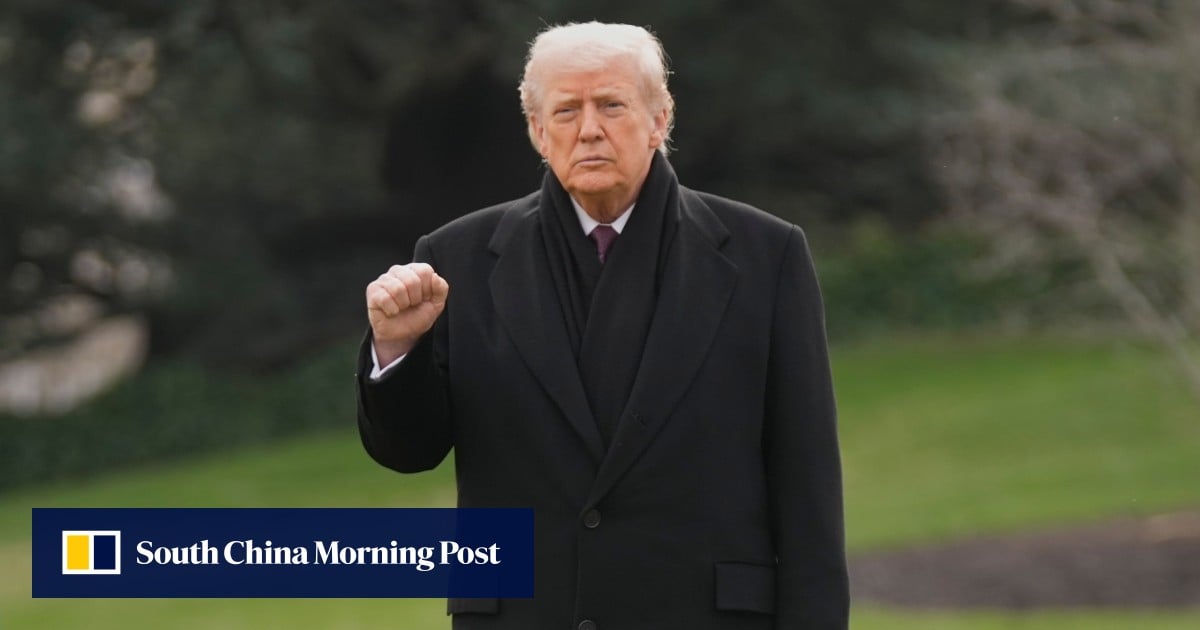
A U.S. judge recently ruled against the Democratic Party's attempt to block President Donald Trump's executive order tightening rules on mail-in voting. The order, signed on March 31, aims to compile a list of eligible U.S. citizens for voting and requires the use of federal data to verify voter eligibility. It also mandates the U.S. Postal Service to deliver ballots only to voters on approved mail-in ballot lists and states to retain election-related records for five years.
The Democrats argued that the executive order infringes on states' rights to regulate elections and could exclude lawfully registered voters due to potentially outdated or erroneous data sources. However, the Justice Department contended that the lawsuit was premature as the order had not been fully implemented yet.
While the judge declined to issue a preliminary injunction, a coalition of Democratic states filed a similar lawsuit challenging the executive order in federal court in Boston. The outcome of these legal battles will have significant implications for mail-in voting regulations and voter eligibility verification.
Investing wisely requires reliable data and informed decision-making. InvestingPro offers institutional-grade data and AI-powered insights to help investors make better decisions. By leveraging data-driven analysis, investors can improve their chances of identifying successful investment opportunities in the ever-changing financial landscape.
In conclusion, the legal dispute over President Trump's executive order on mail-in voting highlights the ongoing debate over election regulations and voter eligibility. As the legal challenges continue, the outcome will shape the future of mail-in voting practices and the protection of voters' rights.