Protecting Fair Housing: Lawsuit Challenges Federal Rule Change Threatening Lending Protections
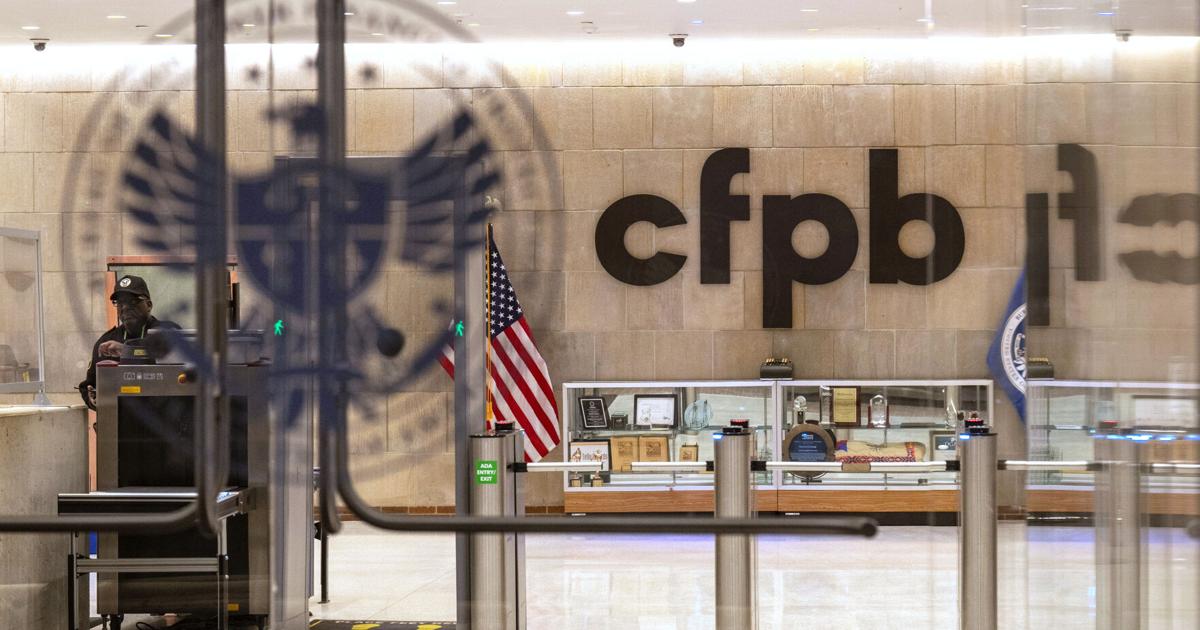
A lawsuit was filed by fair housing organizations challenging a federal rule change that could potentially lead to discrimination against minorities. The rule change is believed to undermine lending protections that have been in place for decades. The lawsuit aims to prevent any discriminatory practices that may arise as a result of this rule change.
The lawsuit was filed in response to concerns that the rule change could disproportionately impact Black people, Latinos, and other minority groups. The fair housing organizations argue that the change could roll back important protections that have been put in place to ensure equal access to credit and prevent discrimination in lending practices. They are seeking to uphold these protections and prevent any potential harm to minority communities.
The rule change in question has raised alarm among advocates for fair housing and civil rights, who fear that it could lead to a resurgence of discriminatory lending practices. By challenging the rule change in court, the fair housing organizations are taking a stand against any potential erosion of the progress made in promoting fair and equal access to credit for all individuals, regardless of their race or ethnicity.
The lawsuit underscores the importance of maintaining strong protections against discrimination in lending practices. Fair housing organizations are committed to upholding these protections and ensuring that all individuals have equal access to credit and financial opportunities. By challenging the rule change in court, they are working to safeguard the rights of minority communities and prevent any potential harm that could result from discriminatory lending practices.
In conclusion, the lawsuit filed by fair housing organizations highlights the ongoing efforts to protect against discrimination in lending practices and uphold fair housing standards. The challenge to the federal rule change underscores the commitment to promoting equal access to credit and financial opportunities for all individuals, regardless of their background. It is crucial to continue advocating for fair and equitable lending practices to ensure that minority communities are not disproportionately affected by discriminatory policies.