Deciphering the Trump Administration's Foreign Policy: Insights from Cabinet Members
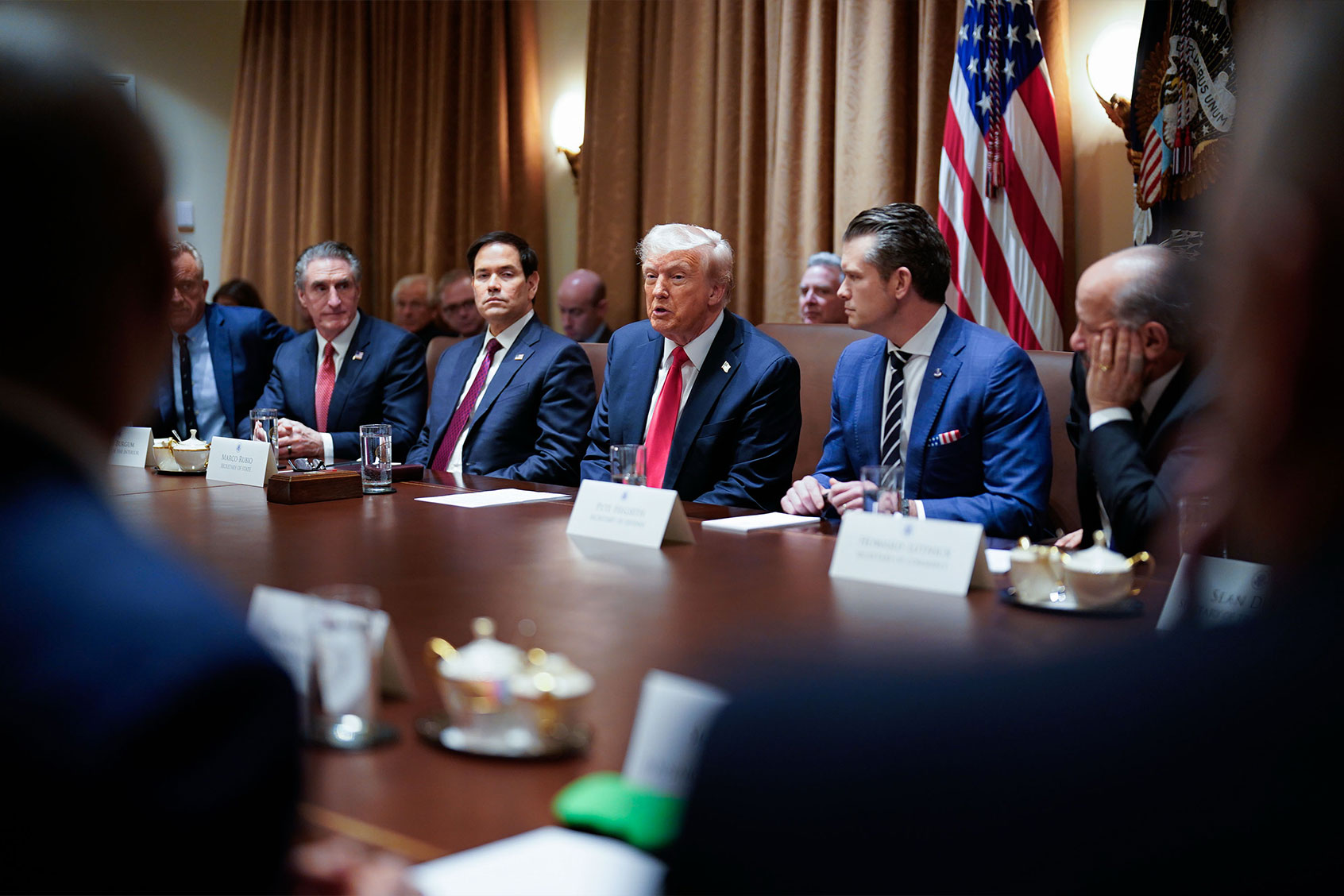
The first half of 2026 has been a tumultuous period for U.S. foreign policy, marked by new tariffs, territorial threats, and geopolitical struggles. As a researcher focusing on presidential values and rhetoric, I analyze how presidents communicate their foreign policy priorities to the public. The current Trump administration's communication style has been challenging to decipher, with a mix of traditional executive orders and unpredictable social media posts. This erratic communication approach has raised questions about the administration's actual policy positions.
The president's rhetoric, particularly during his recent trip to China, has been a subject of debate among political allies and critics. The lack of clarity in the president's language has made it difficult to determine the administration's geopolitical priorities. In this context, the words of key Cabinet members have become crucial in understanding the administration's foreign policy vision and policy actions.
Vice President JD Vance's speech at the Munich Security Conference in February 2025 signaled a shift in America's approach to the trans-Atlantic alliance. Vance emphasized the importance of defending shared Western values, challenging left-leaning European governments, and aligning with right-leaning political leaders. This speech laid the groundwork for the administration's embrace of conservative values and a departure from postwar liberal foreign policy priorities.
Secretary of State Marco Rubio's article advocating for a new approach to foreign aid further reflected the administration's shift towards prioritizing trade and investment over traditional aid models. Rubio's critique of the charity-based aid model and emphasis on quid pro quo relationships echoed themes from Vance's speech, highlighting a broader shift in State Department decision-making.
Secretary of Defense Pete Hegseth's assertion of a "maximum lethality" focus for the Department of War underscored the administration's preference for military force over diplomacy. Hegseth's rhetoric, coupled with the administration's actions in 2025 and 2026, indicated a departure from international law and a reliance on military power as a primary tool of foreign policy.
In summary, Vance, Rubio, and Hegseth have articulated new visions of America's role in the world, reshaping U.S. foreign policy by redefining values, prioritizing quid pro quo relationships, and emphasizing military force. Despite the president's unpredictable communication style, Cabinet members will continue to project their own visions of America's foreign policy in the coming years.