Uganda and Congo Ebola Outbreak: Latest Updates and Challenges
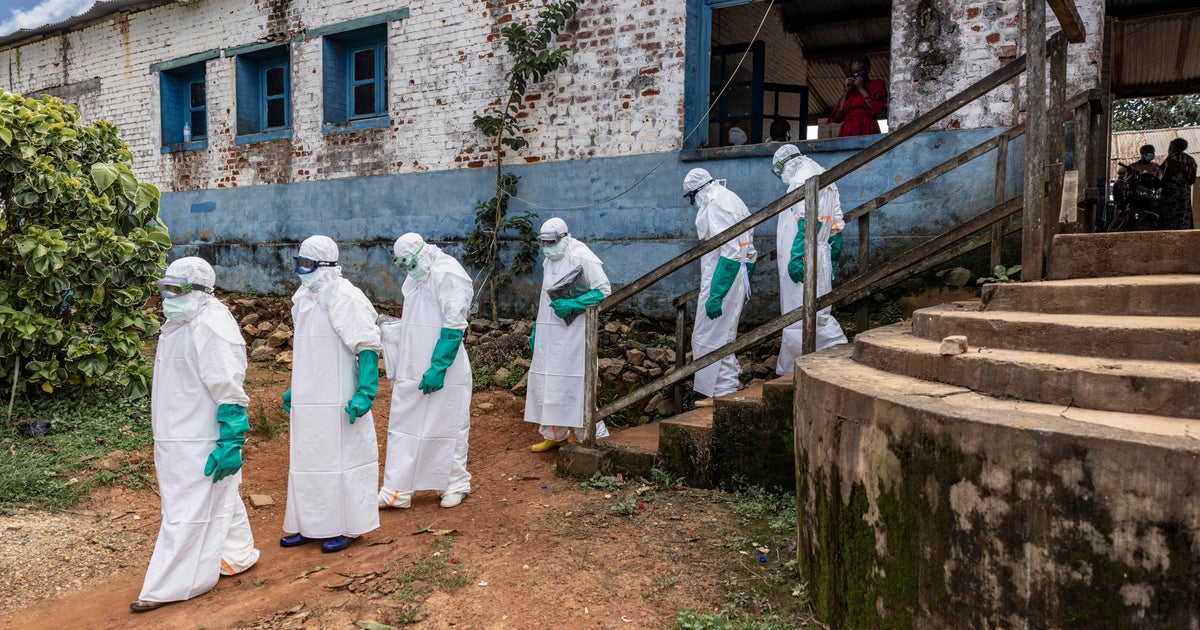
Ugandan health officials have reported two new cases of Ebola, bringing the total number of infections in the country to seven. These cases are linked to the outbreak in the neighboring Democratic Republic of the Congo, where the number of suspected cases has exceeded 900. The outbreak in Congo was declared on May 15, but it is believed to have started earlier. A 59-year-old Congolese man died in a hospital in Kampala, Uganda, before it was known that he had Ebola. Two other Congolese nationals who sought medical care in Uganda also tested positive for the virus.
In Uganda, two local infections have been confirmed, involving a driver and a health worker who were exposed to the Congolese patient who died on May 11. Additionally, two more health workers at a private hospital in Kampala have tested positive for Ebola. In the Congo, suspected Ebola cases have surpassed 900, with confirmed cases exceeding 100, mainly in the eastern Ituri province, where the outbreak is centered. The response to the outbreak has been hindered by fear, anger, and distrust among locals, as well as attacks on treatment centers.
The World Health Organization (WHO) has declared the outbreak a public health emergency of international concern. The Ebola virus responsible for the outbreak has no approved vaccine or treatment, but scientists are working on a vaccine that could enter clinical trials in the near future. Recent attacks on healthcare facilities treating Ebola patients in the Congo have further complicated the situation, highlighting the challenges faced by medical workers in the region.
The attacks on healthcare facilities have forced medical staff to evacuate patients, raising concerns about the spread of the virus. Bodies of Ebola victims can be highly contagious, leading to further transmission during burial preparations and funerals. Congolese authorities have mandated that the burial of suspected victims be managed by authorities to prevent further spread of the virus. Measures such as banning large gatherings and funeral wakes have been implemented to curb the outbreak.
The recent incidents in the Congo underscore the urgent need for a coordinated response to the Ebola outbreak. The challenges posed by fear, violence, and lack of resources highlight the importance of international cooperation in containing the spread of the virus. Efforts to develop a vaccine and improve treatment options are crucial in addressing the current crisis.