Title: Lawsuit Alleges Agriculture Secretary Brooke Rollins Promotes Christian Beliefs Through Proselytizing Emails
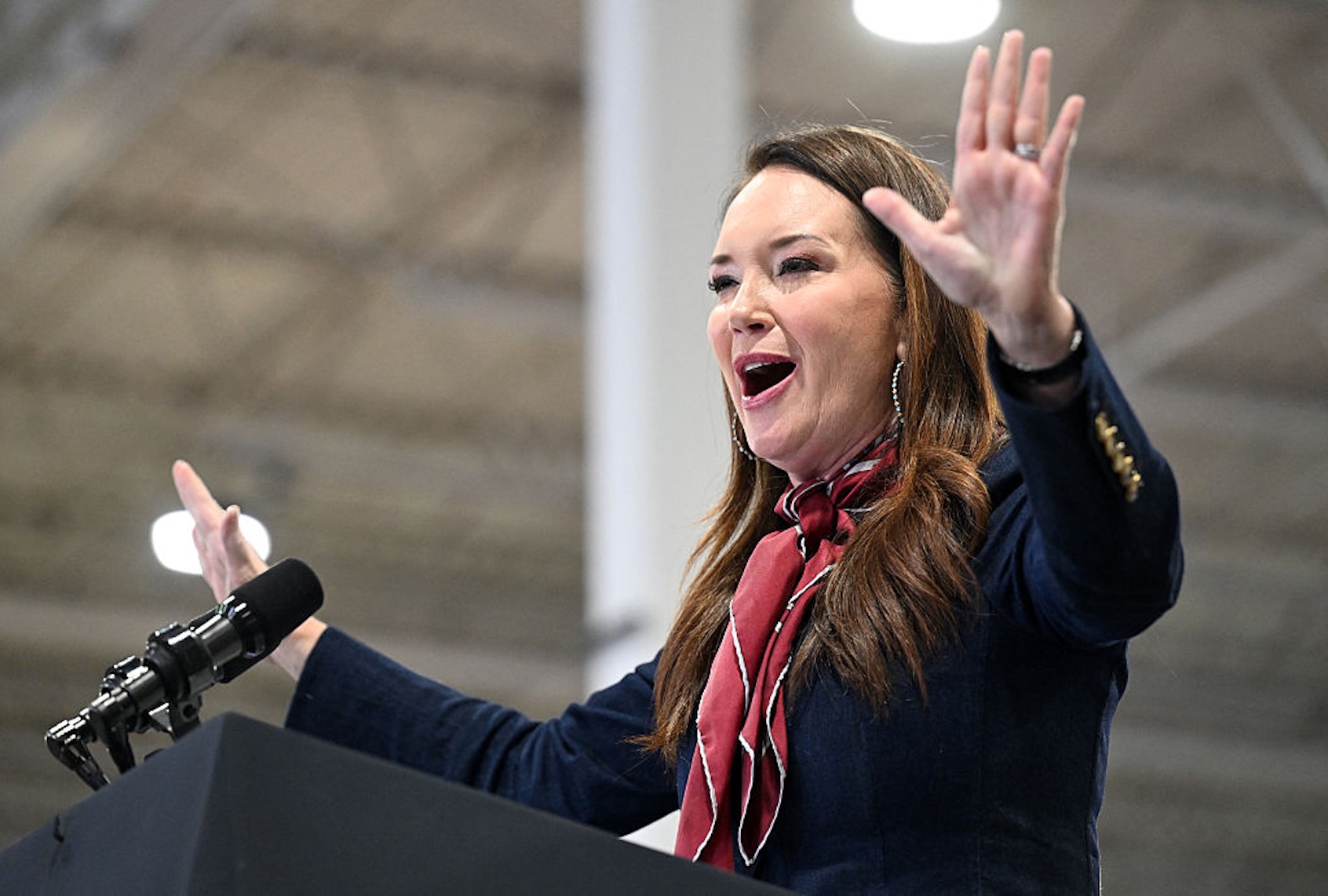
A recent lawsuit has been filed against Agriculture Secretary Brooke Rollins, accusing her of promoting her Christian beliefs to her staff through proselytizing emails. The lawsuit alleges that Rollins' emails make employees fear negative consequences if they do not share her religion. While Rollins' approach may seem less aggressive than some of her colleagues, the content of her emails reveals her commitment to Christian nationalism.
The emails sent by Rollins to her staff are sentimental and reminiscent of religious tracts, with messages like "Christ Is Risen" and illustrations of crosses made of flowers. Despite the seemingly harmless nature of the emails, they contribute to creating an unwelcoming environment for employees who do not share Rollins' beliefs. The lawsuit highlights the impact of Rollins' actions on those who feel marginalized and alienated due to their differing beliefs.
The response from right-wing media and Rollins' allies portrays her as a victim of oversensitivity, downplaying the impact of her proselytizing emails. However, the plaintiffs in the lawsuit express concerns about feeling unwelcome and judged for their beliefs. The passive-aggressive nature of Rollins' communication style, coupled with the underlying hostility towards those who are different, reinforces the perception of exclusion and discrimination within the workplace.
Rollins' proselytizing in a federal agency setting raises concerns about religious freedom and the treatment of employees who do not align with her evangelical views. The use of inclusive language in her emails implies that those who do not share her beliefs are not fully valued or respected. The lawsuit sheds light on the potential consequences of such behavior, including fear of retaliation and discrimination against employees based on their religious or LGBTQ+ identities.
Rollins' actions reflect a broader trend of conservative Christians asserting their dominance and marginalizing those who do not conform to their beliefs. The lawsuit serves as a reminder of the need to uphold religious freedom and protect employees from discrimination in the workplace. By challenging Rollins' behavior, the plaintiffs are taking a stand against the normalization of exclusion and intolerance in government institutions.
In conclusion, the lawsuit against Agriculture Secretary Brooke Rollins highlights the importance of respecting religious diversity and ensuring a welcoming environment for all employees. Rollins' proselytizing emails have raised concerns about discrimination and marginalization within the workplace, emphasizing the need for accountability and respect for differing beliefs. The outcome of the lawsuit will have implications for how Christian nationalism is addressed in government settings and the protection of employees' rights to religious freedom.