US-Iran Negotiations: Progress, Challenges, and the Path Forward
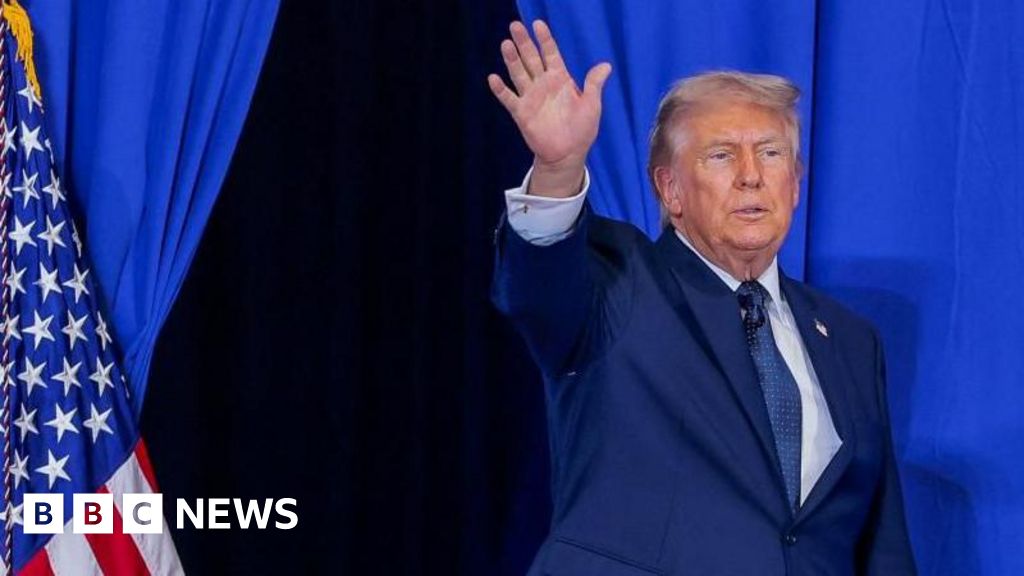
The US President, Donald Trump, has advised his negotiators to proceed cautiously in discussions with Iran, emphasizing the need for both sides to take their time to ensure a successful outcome. Trump reiterated that Iran must not pursue nuclear weapons, a sentiment echoed by Israeli Prime Minister Benjamin Netanyahu. Recent statements from US and Iranian officials hinted at progress in peace talks, although differences on key issues remain unresolved.
Following a ceasefire agreement in April, the US and Iran engaged in airstrikes and retaliatory actions, leading to ongoing negotiations. While reports suggest no imminent deal between the two countries, potential elements of an agreement include a ceasefire extension and the reopening of the Strait of Hormuz. Despite some points of disagreement, both sides are working towards a resolution.
Trump emphasized the orderly and constructive nature of the negotiations on Truth Social, urging caution and precision in reaching a deal. He reiterated the stance against Iran developing nuclear weapons and maintained the US blockade of Iranian ports until a certified agreement is reached. The Strait of Hormuz remains a focal point in the negotiations, impacting global oil prices.
US Secretary of State Marco Rubio acknowledged progress in talks, hinting at a possible resolution regarding the Strait of Hormuz. Iranian officials also expressed optimism about finalizing a memorandum of understanding to pave the way for a comprehensive agreement. Mediated talks by Pakistan's Deputy Prime Minister Ishaq Dar have provided a glimmer of hope for a positive outcome in the negotiations.