Unmasking the Online Propaganda War: Iran's Triumph in the Battle for Influence
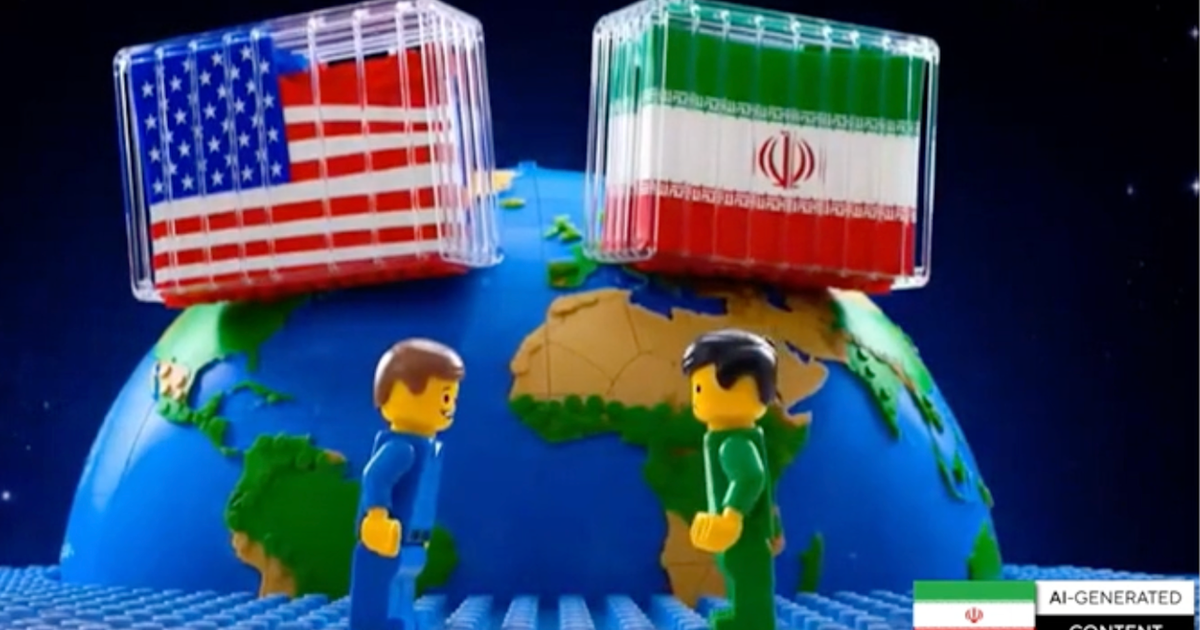
The ongoing war between the United States and Iran has extended to the realm of online propaganda, with Iran seemingly gaining the upper hand in this battle. Political satire has historically been a powerful tool in warfare, as demonstrated by Charlie Chaplin's portrayal of Adolf Hitler during World War II. Mockery and satire can effectively undermine those in power, as it cuts them down to size and emasculates them. In the current conflict, Iran's online propaganda efforts have garnered significant attention and engagement, surpassing the U.S. in terms of views and likes on social media platforms.
Despite America's historical prowess in marketing and media, Iran's propaganda tactics have proven to be more effective in the current online landscape. Iranian accounts on social media platforms have seen a substantial increase in engagement since the war began, with some posts receiving millions of views. By leveraging content creators and AI tools, Iran has been able to produce engaging and shareable content that resonates with global audiences. The use of Lego animations to convey messages in a universal language further demonstrates Iran's innovative approach to propaganda.
The democratization of propaganda through social media and AI technology has enabled Iran to reach a wide audience with its messaging. By focusing on themes like the cost of war, Iran's propaganda videos aim to sway public opinion and degrade support for the conflict within the U.S. The shift towards more engaging and shareable content has proven to be more effective than traditional diplomatic statements or serious messaging. As a result, Iran has been able to outmaneuver the U.S. in the online propaganda war, highlighting the changing landscape of information warfare.
The lack of a coherent and effective response from the U.S. government has further exacerbated the situation. The dismantling of key assets and agencies dedicated to combating disinformation has left the U.S. at a disadvantage in the information war. The Trump administration's centralized control over messaging and lack of trusted messengers have hindered the country's ability to effectively counter Iran's propaganda efforts. While the U.S. has made some attempts to engage in the online battle, the response has been criticized and deemed inadequate in comparison to Iran's tactics.
In conclusion, the online propaganda war between the United States and Iran has revealed the power of engaging and shareable content in shaping public opinion. Iran's innovative use of social media, AI technology, and universal messaging has allowed them to outmaneuver the U.S. in the battle for online influence. As the conflict continues, the importance of effective communication strategies and trusted messengers in shaping public perception cannot be understated. The evolving landscape of information warfare underscores the need for adaptability and strategic messaging in the digital age.