Addressing the Ebola Outbreak: Insights from Dr. Deborah Birx and U.S. Response Strategies
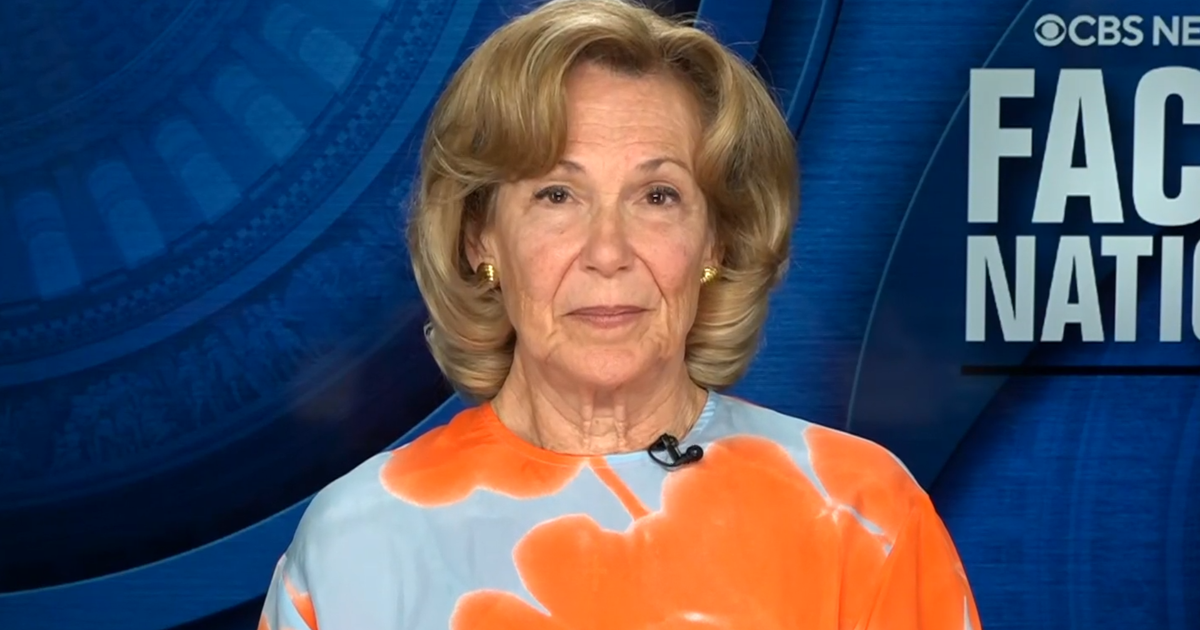
The ongoing Ebola outbreak in the Democratic Republic of the Congo has raised concerns globally. Dr. Deborah Birx, a former White House coronavirus response coordinator, shared insights on the severity of the situation. The outbreak was not reported promptly, leading to a sudden surge in cases. The delay in detection has made tracking the spread challenging, as current cases reflect infections from weeks ago.
With a recent incident involving a passenger from the Congo on a flight to Detroit, concerns about the disease's transmission have heightened. However, the U.S. has implemented proactive measures to prevent the virus from entering the country. Enhanced hospital preparedness and biocontainment facilities have been established to handle potential cases effectively.
The travel ban imposed on individuals from affected regions is part of a comprehensive response strategy. The U.S. has deployed a Disaster Assistance Response Team (DART) and CDC personnel to assist in containing the outbreak. While the travel restrictions play a role, a multi-faceted approach involving various agencies and resources is crucial for an effective response.
Questions have been raised about the impact of funding cuts on aid programs and preparedness efforts. Despite concerns, recent allocations of funds and personnel demonstrate a commitment to addressing the outbreak. The focus now shifts to understanding why existing institutions, like the African CDC, failed to detect and control the outbreak early on, emphasizing the need for improved surveillance and response mechanisms.
Challenges in maintaining local programs and capacity due to funding cuts have been acknowledged. However, reassurances have been provided regarding the retention of critical resources and ongoing support for key initiatives. The importance of sustained funding and program continuity in bolstering preparedness efforts cannot be understated.
Amidst leadership vacancies in key agencies, the U.S. is mobilizing resources through an interagency Ebola response task force. While having confirmed heads for agencies is essential, the presence of experienced personnel and collaborative efforts are vital in managing potential outbreaks effectively. Strengthening partnerships and reinforcing key institutions, such as the African CDC, remains a priority in enhancing global health security.