The Richins Murder Trial: A High-Profile Case of Financial Gain and Fatal Consequences
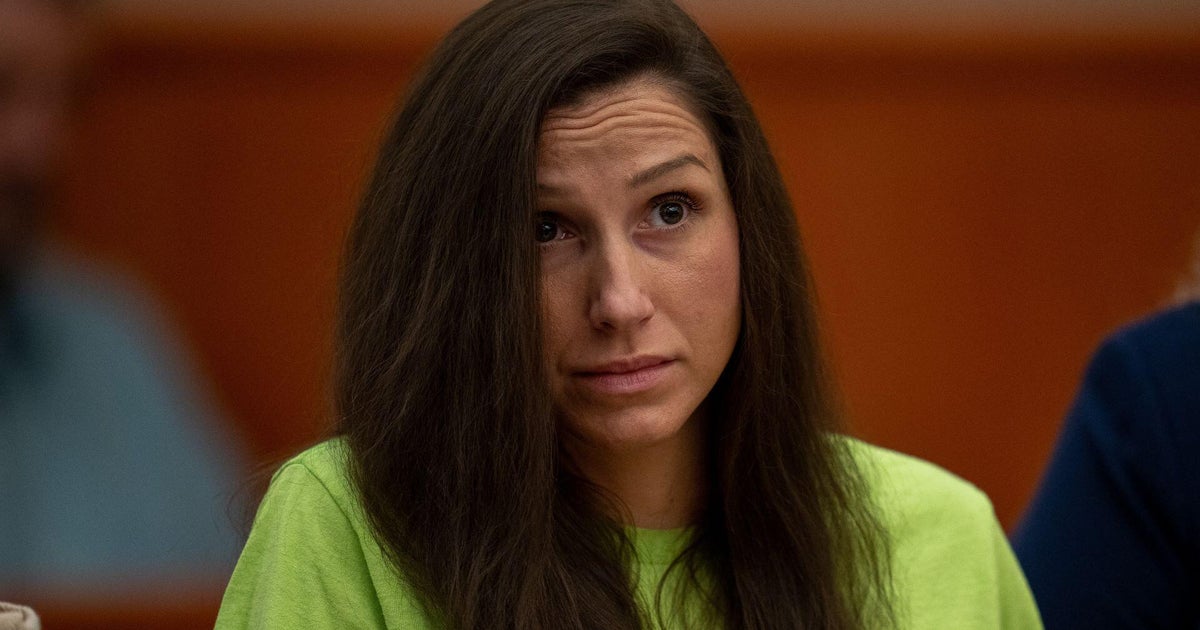
In February 2026, a high-profile trial took place in Summit County, Utah, where Kouri Richins was accused of murdering her husband, Eric Richins, for financial gain. The prosecution alleged that Kouri poisoned Eric with a lethal dose of fentanyl to secure his money and start a new life. The case against Kouri was built on evidence suggesting that she had a motive to kill Eric, who owned a successful contracting business, while she faced financial troubles from her real estate ventures. The trial revealed details of Kouri's actions and behavior on the night of Eric's death, including a 911 call that raised suspicions about her resuscitation efforts. Witnesses testified about Kouri's financial problems, her access to fentanyl, and her relationship with a handyman named Josh Grossman, which the prosecution believed was a motive for the murder.
The prosecution presented evidence that Kouri had accessed GIFs celebrating coming into money on her phone the morning of Eric's death, suggesting premeditation. The trial also highlighted Kouri's behavior in the aftermath of Eric's death, including her lack of emotional response and focus on real estate matters. Witnesses testified about Kouri's financial liabilities, her acquisition of a life insurance policy on Eric, and her affair with Josh Grossman. The defense argued that Kouri's financial troubles were common in the house flipping business and questioned the prosecution's evidence linking her to Eric's death. The defense also challenged the credibility of key witnesses, including Kouri's housekeeper, Carmen Lauber, who claimed to have supplied Kouri with fentanyl.
As the trial progressed, the defense raised doubts about the prosecution's case, pointing to inconsistencies in witness testimonies and investigative bias. The defense highlighted Eric's history of drug use and suggested that he may have accidentally ingested fentanyl. The defense also questioned the prosecution's theory of premeditated murder, emphasizing the lack of conclusive evidence linking Kouri to Eric's death. In a surprising turn of events, the defense rested its case without calling any witnesses, leaving the jury to deliberate based on the evidence presented by both sides. The prosecution portrayed Kouri as a calculating and opportunistic individual, while the defense argued for reasonable doubt and criticized the investigative process.
Ultimately, the trial raised questions about Kouri's motives, her financial struggles, and her relationships, but left the jury to decide whether she was guilty of murdering her husband. The case highlighted the complexities of the legal system, the challenges of proving intent in criminal cases, and the impact of bias and circumstantial evidence on a high-profile trial. The outcome of the trial would determine Kouri's fate and the justice sought for Eric Richins' death.