Navigating the Changing Landscape of ACA Enrollment: Challenges and Opportunities
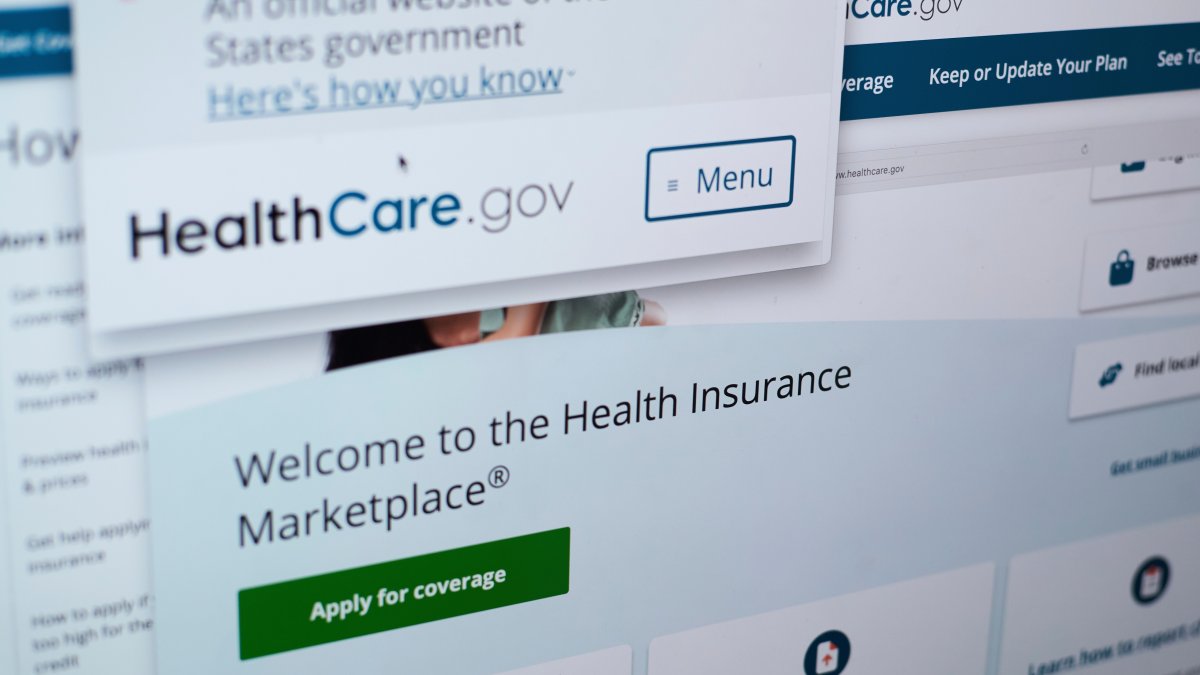
The Affordable Care Act (ACA) health insurance marketplace is facing a significant decline in enrollment this year, with an estimated drop of nearly 5 million participants, according to a recent analysis by the healthcare research nonprofit KFF. The remaining enrollees are experiencing higher healthcare costs, with average deductibles increasing by over $1,000 and monthly premium payments rising by $65. This trend is a result of rising health costs and the expiration of subsidies that previously helped cover expenses for many enrollees.
The projected decrease in ACA enrollment highlights the challenges Americans are facing in affording health coverage, leading some to reconsider their insurance options mid-year. The impact of these changes on individuals' financial well-being could be a key issue in the upcoming midterm elections, as economic concerns take center stage in competitive races across the country. KFF's report indicates a potential drop in ACA enrollment from 22.3 million in 2025 to around 17.5 million this year, reflecting a significant decline in participation in the subsidized health insurance program.
The decline in ACA sign-ups is attributed to various factors, including the expiration of subsidies and other market influences that have led to higher costs for enrollees. Middle-income Americans, in particular, have been disproportionately affected by the changes, as they no longer qualify for subsidies but struggle to afford coverage without the additional financial support. While drops in enrollment were observed across most states, those with state-run exchanges retained a higher percentage of enrollees compared to states relying on the federal marketplace.
Despite the challenges faced by ACA enrollees, insurers have reportedly adjusted to the changing marketplace conditions, potentially mitigating the need for significant premium spikes in the future. While some individuals have had to make sacrifices to maintain their health coverage, there is hope that the current market corrections could lead to more stable health costs in the coming years. The impact of these shifts in the ACA marketplace underscores the importance of affordable healthcare access for all Americans.