Earthquake Shakes Hawaii's Big Island: Monitoring Volcanic Activity and Preparedness Measures
Late Friday night, a 6.0 magnitude earthquake shook Hawaii's Big Island, causing alarm among residents and prompting scientists to monitor nearby volcanic activity closely. The quake's epicenter was near Honaunau-Napoopoo on the western side of the island, originating about 23 kilometers below the surface. The tremors were felt across a wide area, with over 2,500 residents reporting light to strong shaking on the Big Island, Maui, and Oahu.
Despite causing minor damage and some rockslides, the earthquake did not trigger a tsunami, according to the Pacific Tsunami Warning Center. Fortunately, there were no immediate reports of injuries, deaths, or significant structural damage following the event. The US Geological Survey clarified that the earthquake was not linked to volcanic activity but rather resulted from stress due to the bending of the oceanic plate under the weight of the Hawaiian island chain.
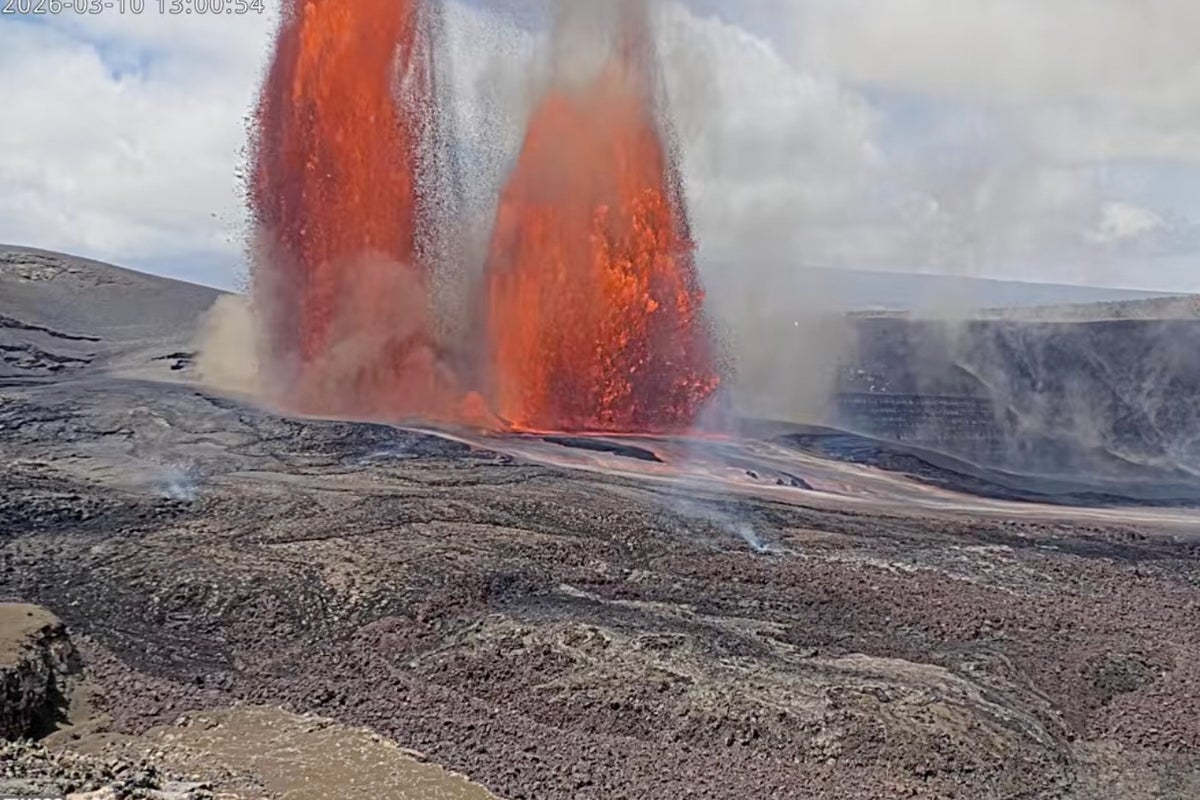
Earlier on Friday, the Hawaiian Volcano Observatory indicated that the next eruptive episode at Kilauea, a highly active volcano on the Big Island, could occur between Sunday, May 24, and Wednesday, May 27. While forecast models suggested a potential eruption, officials emphasized the unpredictable nature of volcanic activity and the rapid changes that can occur underground. Kilauea has been intermittently erupting since December 23, 2024, making it a closely monitored volcano in the Pacific region, with scientists remaining vigilant for any signs of shifting eruption patterns.
In conclusion, the recent earthquake in Hawaii's Big Island served as a reminder of the region's geological activity and the need for ongoing monitoring of seismic and volcanic events. Residents and officials remain vigilant as they prepare for potential volcanic activity in the coming days, underscoring the importance of preparedness and response measures in the face of natural disasters.