Unveiling Extremism: From San Diego Mosque Attack to Castro Indictment and Capitol Riot Fallout
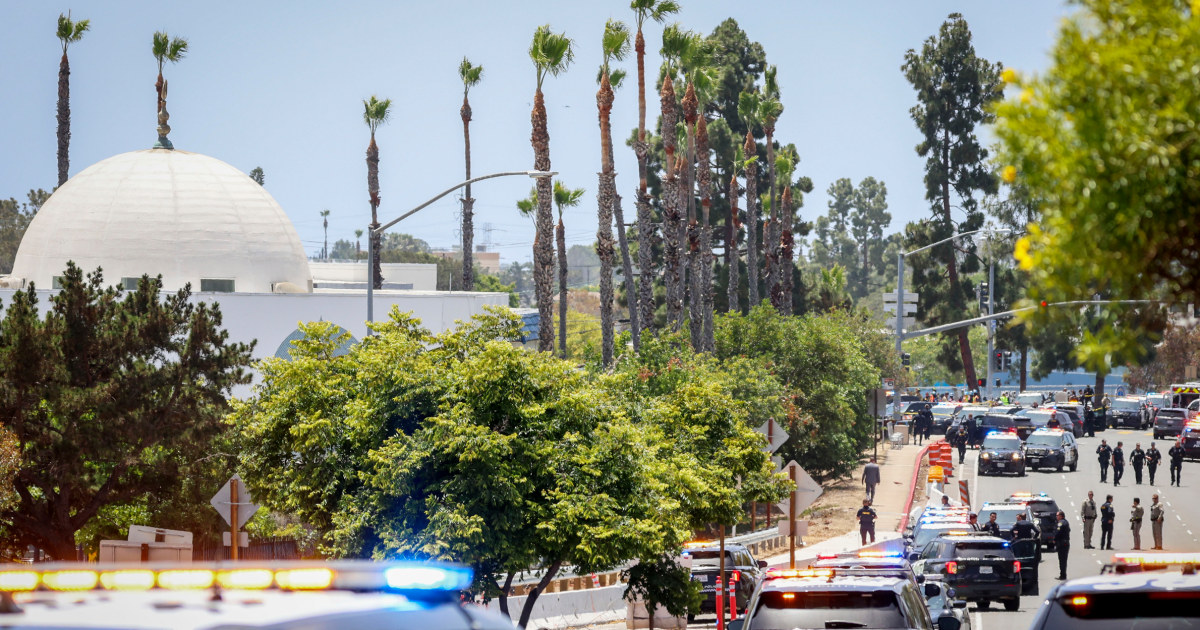
The recent attack on a San Diego mosque by two teenage suspects has brought to light their extremist beliefs, including neo-Nazi ideology and racist meme culture. The attackers, identified as Caleb Vazquez and Cain Clark, livestreamed their assault, reminiscent of previous attacks. The document believed to be written by the suspects sheds light on the rise of violent extremism in the digital age, influenced by online hate spaces and ideological shootings.
Cynthia Miller-Idriss, a terrorism expert, highlighted the dangerous impact of online radicalization on young individuals like Vazquez and Clark. The suspects' age at the time of the Christchurch shooting underscores the concerning trend of youth radicalization. The incident at the Islamic Center of San Diego serves as a stark reminder of the growing threat of ideologically driven violence in the modern era.
In a separate development, the Justice Department indicted former Cuban President Raúl Castro for his alleged involvement in the 1996 shooting of two civilian planes, resulting in the deaths of four Cuban exiles. The charges against Castro include conspiracy to kill U.S. nationals and destruction of aircraft. Despite the indictment, Cuba is unlikely to extradite Castro to the U.S., raising questions about potential actions against him.
The shooting incident targeted planes belonging to the group Brothers to the Rescue, which aimed to rescue Cubans fleeing the country. The political implications of the attack and the subsequent indictments highlight the complex relationship between the U.S. and Cuba. The accusations against Castro and the legal proceedings surrounding the case underscore the ongoing tensions between the two nations.
In response to the Capitol riot on January 6, Senator Dick Durbin criticized the Justice Department's consideration of compensating rioters through a new $1.8 billion fund. Durbin called the idea "absurd and offensive" and demanded transparency regarding the fund's eligibility criteria. The lawsuit filed by Capitol officers to block the fund reflects concerns about its potential misuse to benefit individuals and groups involved in the violence.
The intersection of extremism, international relations, and domestic policy underscores the multifaceted challenges facing society today. The need for vigilance against radicalization, accountability for violent acts, and transparency in government actions remains paramount in addressing these complex issues. Stay informed about the latest developments in these critical areas to contribute to a safer and more secure future.