Unraveling the Past: Raúl Castro Charged in 1996 Plane Shoot-Down Case
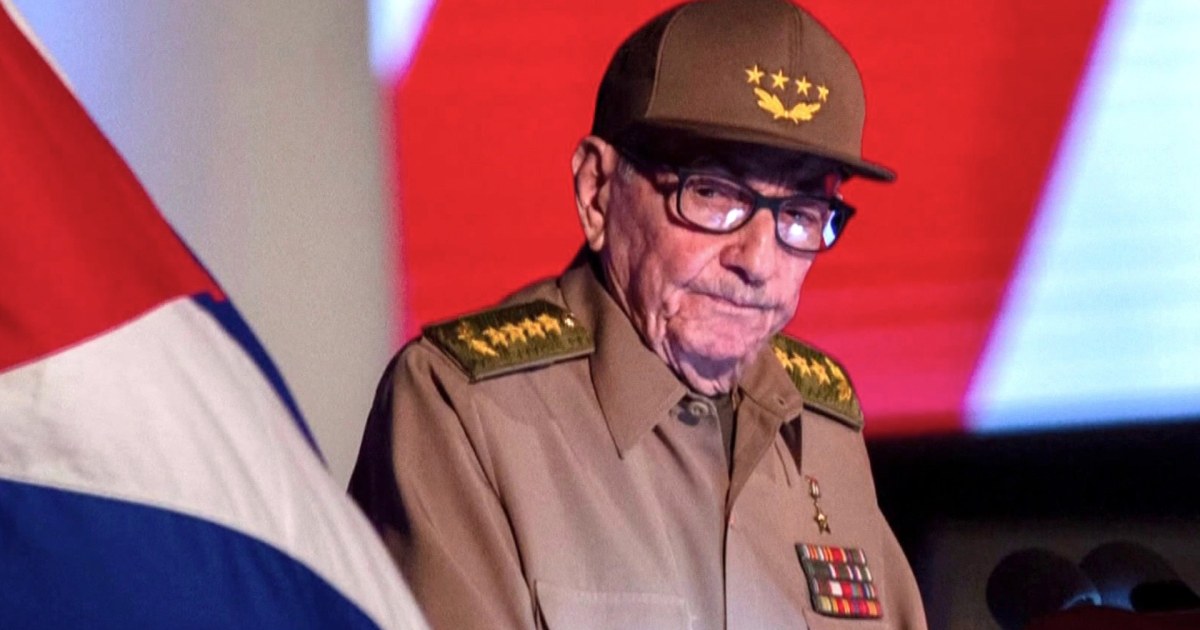
The former Cuban president, Raúl Castro, has been charged by the United States Department of Justice in relation to the 1996 shooting down of four Miami-based exiles' planes by Cuba's military. This incident resulted in the deaths of the exiles. The news of the charges has been met with mixed reactions, with some celebrating the development while others question if justice will truly be served. Raúl Castro, who is 94 years old, remains a prominent figure in Cuba's communist regime, adding complexity to the situation.
The charges against Raúl Castro mark a significant development in the long-standing case of the 1996 plane shoot-down. The incident has been a source of pain and grief for the families of the victims, as well as a point of contention between the United States and Cuba. The legal proceedings against Raúl Castro could potentially bring some closure to those affected by the tragedy and shed light on the events that transpired more than two decades ago.
Raúl Castro's involvement in the 1996 plane shoot-down has been a subject of speculation and scrutiny for years. As the former president of Cuba and the brother of Fidel Castro, Raúl Castro wields considerable influence in the country's political landscape. The charges against him raise questions about accountability and the pursuit of justice, especially given his advanced age and continued role in Cuba's government.
The news of Raúl Castro's indictment has sparked discussions about the complexities of seeking justice for historical events. The case serves as a reminder of the enduring impact of past conflicts and the challenges of addressing them through legal means. As the legal proceedings unfold, the outcome remains uncertain, leaving many to ponder the implications of holding a former leader accountable for actions taken during his time in power.
In conclusion, the charges brought against Raúl Castro by the United States Department of Justice represent a significant development in the case of the 1996 plane shoot-down. The legal proceedings have reignited discussions about accountability, justice, and the complexities of addressing historical conflicts. As the case unfolds, the outcome remains uncertain, but it has already sparked a range of reactions and reflections on the pursuit of justice in the face of past tragedies.