Title: "U.S. Contemplates Military Intervention in Cuba: National Security Concerns and Geopolitical Implications
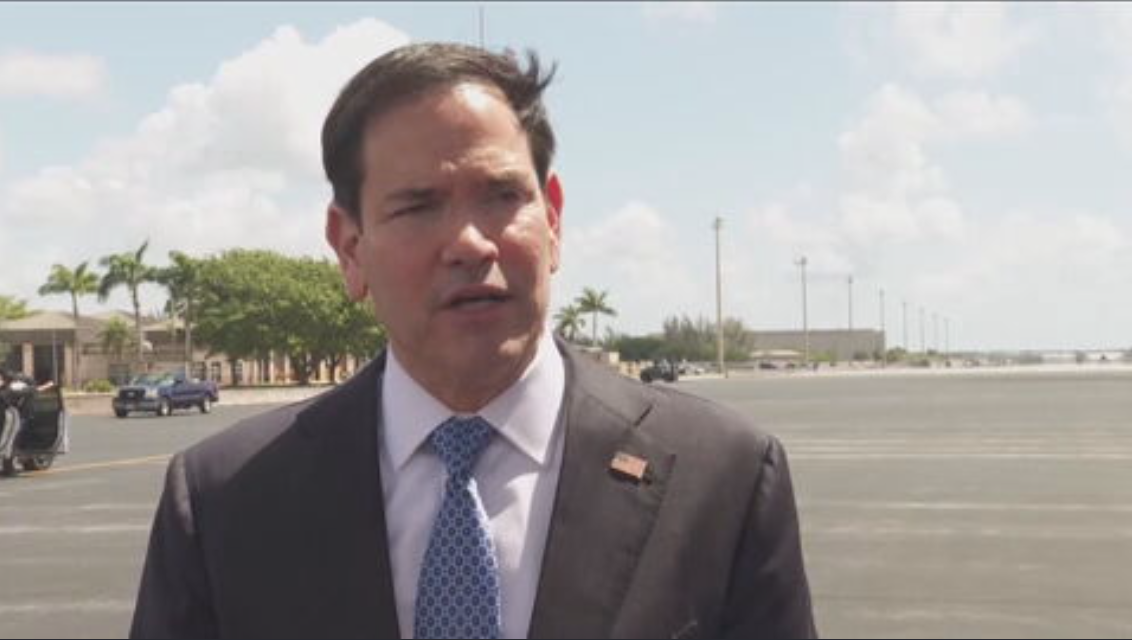
President Donald Trump and Secretary of State Marco Rubio have hinted at the possibility of U.S. military intervention in Cuba, following the announcement of criminal charges against former Cuban leader Raúl Castro. Trump expressed his willingness to take action, stating that previous presidents have considered intervening in Cuba for decades. Rubio emphasized that Cuba has been a national security threat due to its ties to U.S. adversaries and doubts the possibility of a diplomatic resolution with the current Cuban government.
Despite the Trump administration's preference for a peaceful negotiated agreement with Cuba, Rubio highlighted the challenges in reaching such a resolution. Recent meetings between top U.S. officials and Cuban representatives have not yielded significant progress, leading to additional sanctions on the Cuban government. Rubio emphasized the seriousness of the U.S. stance towards Cuba and the need to address national security risks posed by the island.
The indictment against Raúl Castro for the 1996 shootdown of civilian planes has raised concerns about potential military action in Cuba. The U.S. military presence in the Caribbean Sea, including the USS Nimitz aircraft carrier, coincided with the announcement of charges against Castro. While the specifics of implementing the indictment remain unclear, the Trump administration's actions have intensified discussions about regime change in Cuba and the country's national security implications for the U.S.
Rubio underscored Cuba's national security threat to the U.S. due to its security and intelligence ties with China and Russia, as well as its relationships with U.S. adversaries in Latin America. China has voiced opposition to U.S. sanctions on Cuba, expressing support for Cuba's sovereignty and opposing external interference in its affairs. The ongoing tensions between the U.S. and Cuba highlight the complex geopolitical dynamics at play in the region.
In conclusion, the Trump administration's stance on Cuba reflects a growing concern over national security threats posed by the island's government. The possibility of military intervention and the indictment against Raúl Castro have heightened tensions between the U.S. and Cuba, raising questions about the future of diplomatic relations and regional stability. The evolving situation in Cuba underscores the challenges of navigating complex geopolitical issues in the Western Hemisphere.