The Controversial Anti-Weaponization Fund: A Deep Dive into the Debate and Opposition in Congress
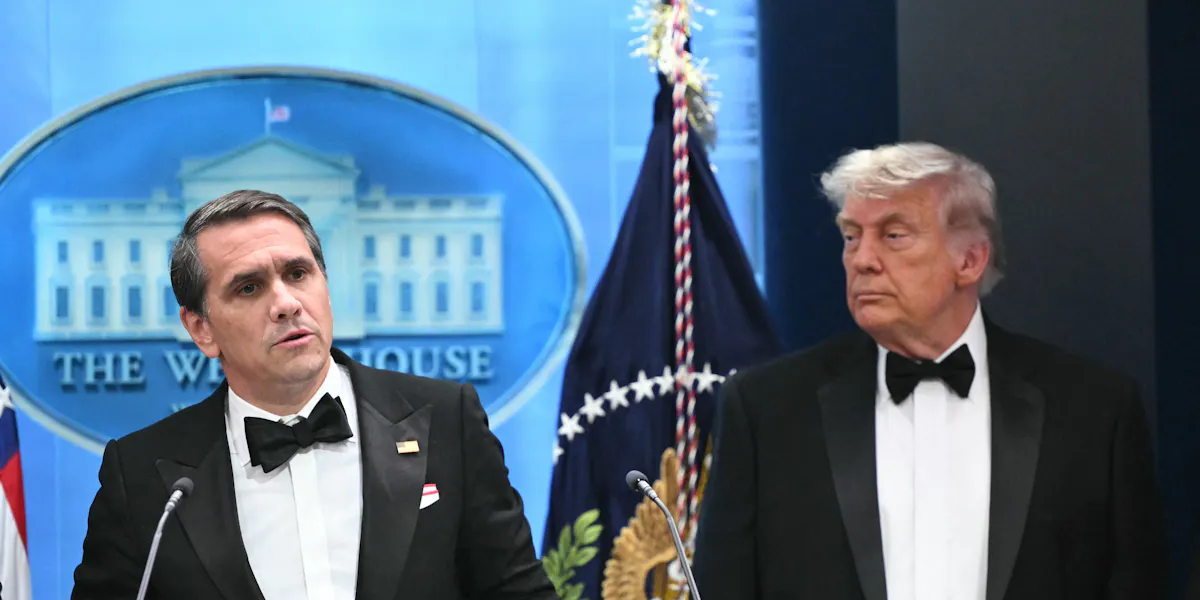
The White House has proposed a $1.8 billion fund, known as the "Anti-Weaponization Fund," which aims to compensate individuals who claim to have been victims of lawfare and weaponization. The fund has faced criticism for its lack of transparency and potential for abuse. Despite attempts to portray it as bipartisan, the fund has been met with opposition from both Democrats and Republicans in Congress. The fund is expected to benefit Trump allies, including January 6 rioters and members of Trumpian super PACs, raising concerns about its fairness and legality.
Republican senators have expressed strong opposition to the fund, with many voicing concerns about its potential misuse and lack of accountability. The fund has become a contentious issue in Congress, leading to the cancellation of a vote on a budget bill that would have funded the Department of Homeland Security. The fund's creation has been described as one of the most corrupt acts in American history, with critics calling it a clear fraud and an unfair advantage for the president.
Acting Attorney General Todd Blanche has faced pushback from Republicans over the fund, with close to 25 senators speaking out against it in a recent meeting. The fund's lack of restrictions and oversight has raised red flags among lawmakers, who are calling for stricter requirements and safeguards to prevent abuse. The fund's potential beneficiaries, including January 6 rioters and Trump allies, have sparked further controversy and opposition from both parties.
Senator Thom Tillis has criticized the fund as "stupid on stilts," highlighting concerns about taxpayer dollars being used to compensate individuals with criminal backgrounds. The fund's lack of accountability and potential for abuse have raised serious ethical and legal questions, prompting calls for legislation to block its implementation. Democrats and some Republicans are looking to challenge the fund and hold those responsible for its creation accountable.
The Democratic National Committee's autopsy of the 2024 presidential election has been met with criticism for its lack of analysis and errors. The report fails to address key issues from the campaign, including President Biden's reelection bid and Vice President Kamala Harris's late entry into the race. The report's recommendations are vague and offer little insight into how the party can improve its electoral strategy moving forward.
The Justice Department's "anti-weaponization" fund has attracted a wide range of applicants, including prominent figures like MyPillow CEO Mike Lindell and former Proud Boy leader Enrique Tarrio. Lindell, who lost millions defending Trump's election claims, is seeking compensation from the fund, while Tarrio, who faced legal troubles related to the January 6 riot, is also applying for restitution. The fund has drawn criticism for potentially rewarding individuals involved in criminal activities and undermining the rule of law.