Texas Board of Nursing Suspends License of Camp Mystic Co-Director Following Tragic Flood Incident
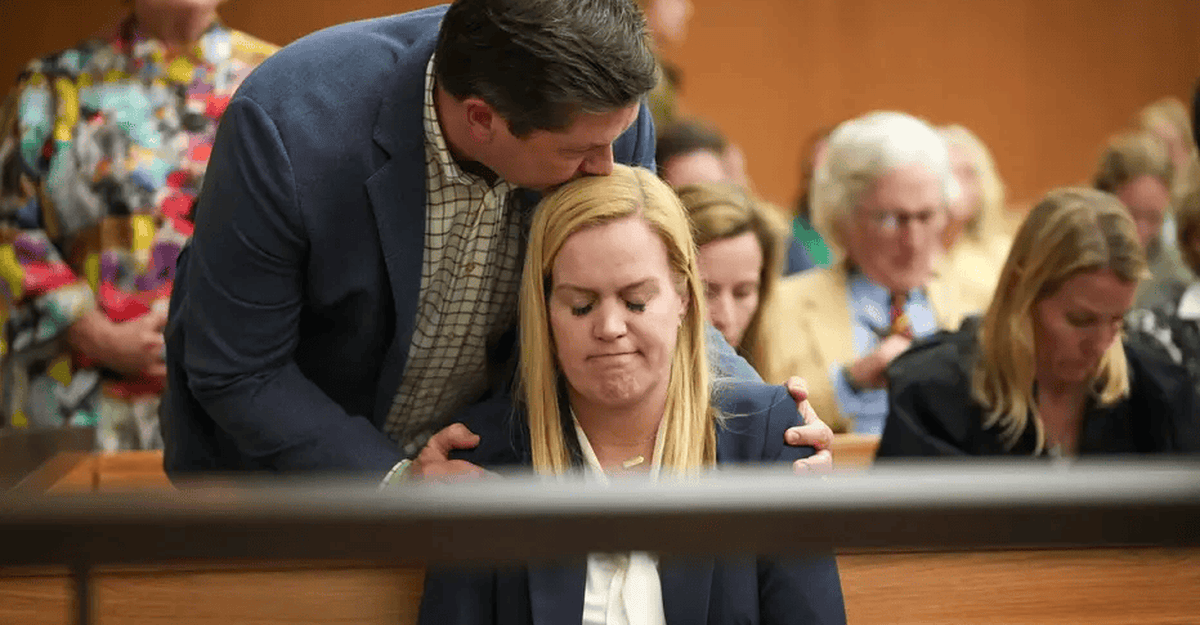
The Texas Board of Nursing has taken action against Mary Elizabeth "Liz" Eastland, the chief health officer and co-director of Camp Mystic, by temporarily suspending her registered nursing license. This decision follows the tragic July 4, 2025 Guadalupe River flood that resulted in the deaths of 27 campers and counselors at the all-girls Christian camp. Eastland held multiple roles at the camp, including registered nurse, supervising nurse, camp nurse, co-director, and chief health officer, which raised concerns about her nursing practice.
The board's temporary suspension order, issued on May 19, 2026, highlighted several charges against Eastland, including failure to develop and maintain emergency plans, abandonment of campers and staff during the flood, failure to report deaths to state health regulators, improper delegation of medical authority, and medication handling and HIPAA violations. The most serious allegation was the accusation of abandonment, stating that Eastland evacuated herself and her children to higher ground without providing assistance or direction to others when the campsite began to flood.
The floodwaters from the Guadalupe River started rising at the camp around 2 a.m. on July 4, 2025, resulting in the tragic loss of 25 campers, two teenage counselors, and the camp's owner, Richard Eastland. Despite the unfolding crisis, Eastland allegedly failed to alert her nursing team, contact emergency services, or provide guidance to campers and staff. This led to the board's decision to temporarily suspend her nursing license, citing a threat to public welfare.
In response to the suspension, Camp Mystic announced that it would not reopen this summer, facing pressure from grieving families and calls to revoke the camp's operating license. The case serves as a reminder to nurses working in non-hospital settings that their legal responsibilities extend beyond bedside care. The Texas Board of Nursing emphasized that nursing practice violations, such as emergency preparedness, mandatory reporting, medication oversight, and HIPAA compliance, are crucial regardless of the work environment.
This incident underscores the importance of maintaining high standards of nursing practice in all settings and the swift action that licensing boards can take to protect public welfare. Nurses in similar roles should prioritize emergency preparedness, proper delegation of duties, and compliance with regulations to ensure the safety and well-being of those under their care.