Measles Outbreak in Bangladesh: A Call to Action for Vaccination and Global Health Security
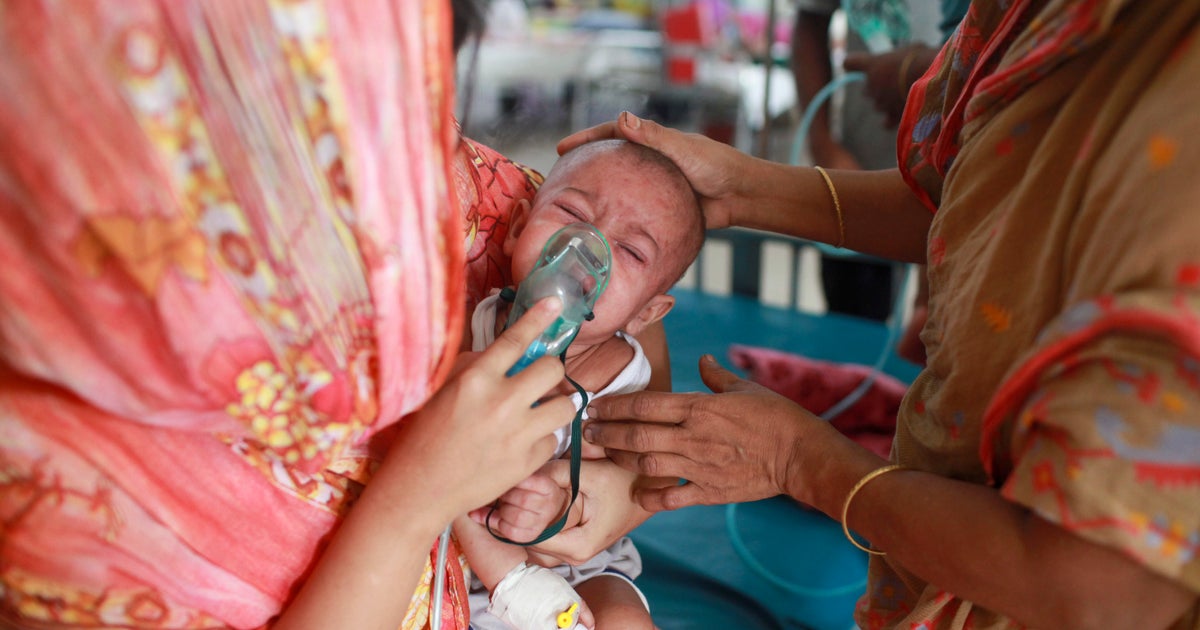
A measles outbreak in Bangladesh has claimed the lives of nearly 400 people, with children being the most affected. The country's health services have reported over 56,000 suspected cases, overwhelming hospitals across the nation. The surge in cases has been attributed to delays in vaccine supply and an immunity gap due to incomplete vaccination doses.
Measles, a highly contagious virus, spreads easily through droplets in the air and poses a significant risk to unvaccinated individuals. The disease can lead to severe complications, including pneumonia, brain swelling, and even death. Despite the availability of effective vaccines, measles remains a global health concern, with nearly 100,000 deaths reported in 2024.
The outbreak in Bangladesh has raised concerns about the virus spreading further, given the country's dense population and porous borders. The World Health Organization warns of the lack of specific antiviral treatment for measles and highlights the potential for severe complications, emphasizing the importance of vaccination to prevent the disease.
The Centers for Disease Control and Prevention (CDC) has issued warnings about the threat of measles outbreaks crossing borders and affecting populations with low vaccination coverage. In the U.S., measles cases have surged in recent years, with outbreaks linked to unvaccinated individuals. The decline in vaccination rates poses a significant challenge to public health efforts to control the spread of the virus.
As the U.S. faces the risk of losing its measles elimination status, health officials are urging the public to prioritize vaccination to prevent further outbreaks. The upcoming soccer World Cup championship, jointly hosted by the U.S., Mexico, and Canada, presents a potential challenge for controlling the spread of measles, highlighting the need for increased vaccination coverage to protect public health.