Confronting the Plastic Predicament: The Environmental Impact of Soft Plastics and Sustainable Solutions
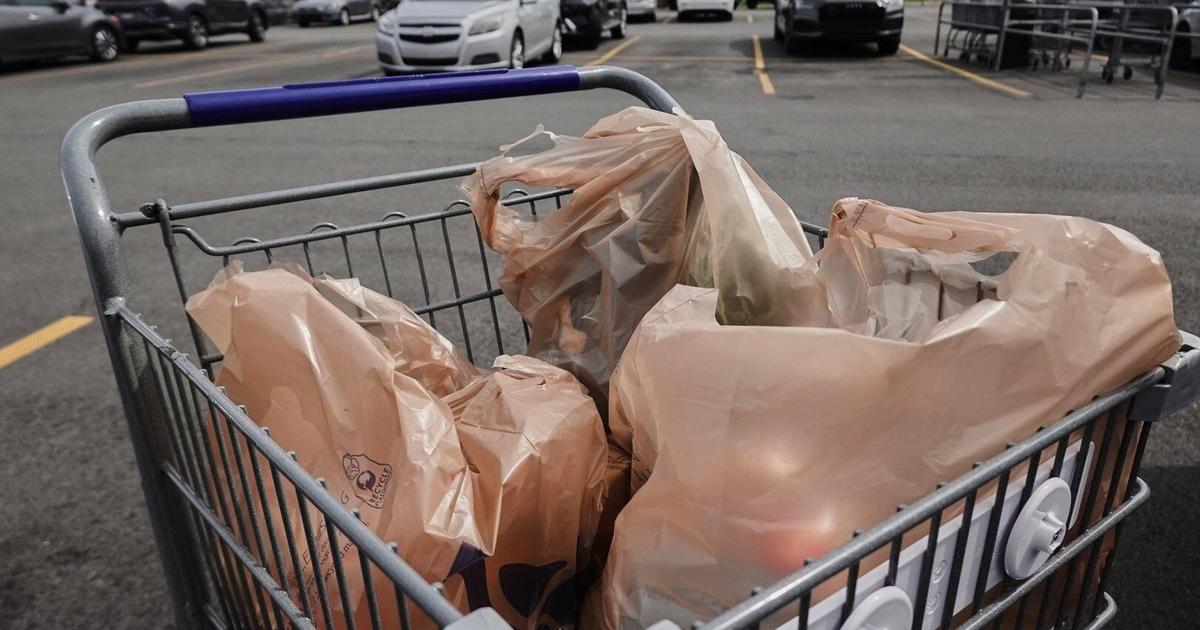
Soft, flexible plastics like grocery bags and bubble wrap are ubiquitous in our daily lives but pose a significant challenge when it comes to disposal. These plastics are difficult to recycle and can take hundreds of years to break down in landfills, releasing harmful microplastics into the environment. In 2018, over 3 million tons of plastic bags, sacks, and wraps ended up in U.S. landfills, as reported by the Environmental Protection Agency.
The impact of plastic waste on the environment is a growing concern, with marine life often bearing the brunt of its consequences. Sea turtles, birds, and other wildlife can mistake plastic bags for food, leading to ingestion and potential harm. Additionally, plastic pollution in oceans and waterways poses a threat to ecosystems and human health.
Efforts to reduce plastic waste and promote sustainable alternatives are gaining momentum worldwide. Many cities and countries have implemented bans or restrictions on single-use plastics like bags and straws to curb their environmental impact. Consumers are also encouraged to use reusable bags and containers to minimize their plastic footprint and support a more sustainable future.
As individuals, we can make a difference by being mindful of our plastic consumption and choosing eco-friendly alternatives whenever possible. By reducing, reusing, and recycling plastic products, we can help protect the environment and preserve natural resources for future generations. Together, we can work towards a cleaner, greener planet for all.