Unheeded Calls for Help: Survivors Speak Out on Fatal Iranian Strike in Kuwait
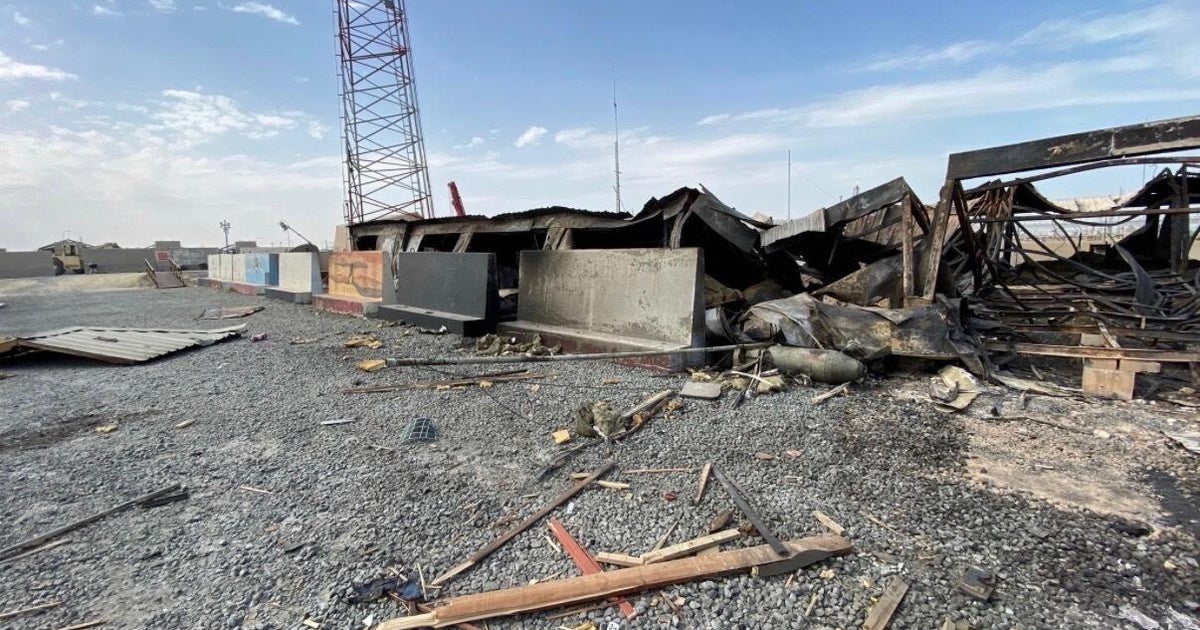
A U.S. Army unit stationed in Kuwait requested additional medical support before a fatal Iranian strike on their command post, but their pleas were disregarded, according to soldiers who survived the attack. The soldiers revealed that the lack of medical resources on-site may have cost the life of at least one soldier who was killed in the strike. The Pentagon's failure to adequately prepare U.S. personnel for Iran's retaliatory attack, which resulted in the deaths of six U.S. service members and injuries to 20 others, has been criticized by the survivors. Major Stephen Ramsbottom, a member of the Army's 103rd Sustainment Command, expressed his belief that Master Sergeant Nicole Amor could have survived her injuries if there had been better medical facilities available.
Ramsbottom and other soldiers recounted the chaotic aftermath of the attack, where they expected immediate medical assistance but were left to fend for themselves. The soldiers' accounts contradict the Pentagon's version of events, with some soldiers claiming they were left vulnerable to the drone strike despite prior intelligence indicating Iran's intentions. Requests for additional medical personnel and supplies were reportedly made to leadership before the strike, but were not adequately addressed. Master Sergeant Ann Marie Carrier highlighted the lack of preparation for a mass casualty event and the absence of training or rehearsals leading up to the Iranian campaign.
In response to the soldiers' claims, a Pentagon spokesperson defended the department's efforts to protect U.S. troops during Operation Epic Fury, stating that accusations of negligence were unfounded. An ongoing investigation into the Kuwait attack has been initiated by U.S. Central Command. Despite the official response, survivors like Carrier expressed disappointment and a sense of betrayal by their Army leadership. The harrowing experience of the attack, the loss of comrades, and the inadequate medical response have left a lasting impact on the soldiers involved.
The soldiers stationed at Port of Shuaiba were caught off guard by the Iranian strike, which followed an earlier missile alert that prompted them to seek shelter in a bunker. The sudden drone attack shattered the sense of security, causing chaos and devastation among the soldiers. The lack of adequate medical resources and the delayed response to treat the wounded further compounded the tragedy. The loss of Master Sergeant Nicole Amor, described as a beloved comrade and friend, serves as a poignant reminder of the consequences of unpreparedness in the face of danger.
The survivors of the Iranian drone strike in Kuwait have shared their firsthand accounts to shed light on the shortcomings in military preparedness and response. Their testimonies underscore the importance of proper planning, training, and resource allocation to safeguard the lives of service members in high-risk environments. Major Stephen Ramsbottom's call for lessons to be learned from this tragic incident resonates with a sense of duty to prevent similar lapses in the future. The soldiers' courage in speaking out serves as a tribute to their fallen comrades and a plea for greater vigilance and readiness in the face of evolving threats.