Unrest in Bolivia: Challenges and Demands Fueling Nationwide Protests
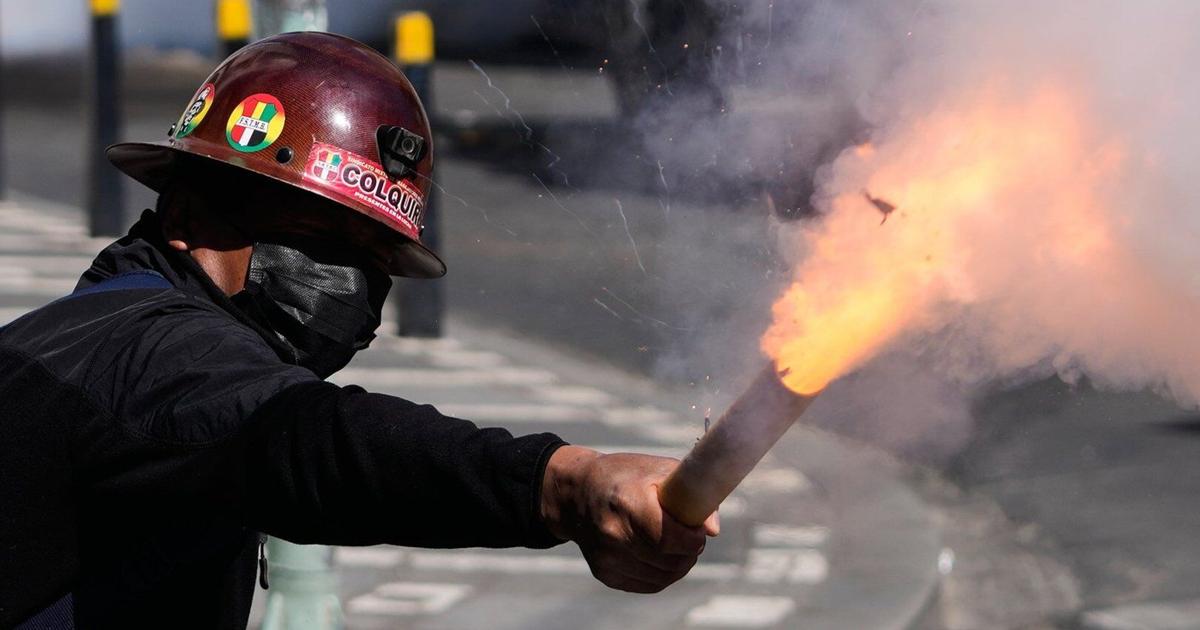
Supporters of Bolivia’s former president Evo Morales took to the streets of La Paz, causing unrest that has led to road blockades and shortages of essential supplies in the country. The protests, which started as strikes in early May, have evolved into a nationwide movement involving various groups demanding economic relief and the reversal of austerity measures imposed by President Rodrigo Paz's government.
The grievances driving the protests include demands for higher wages, increased funding for education, and opposition to agrarian reforms that benefit larger landowners. Despite the government's efforts to address some of these concerns, the protests have persisted, reflecting broader anti-government sentiment over economic policies and living costs.
President Paz has defended the austerity measures as necessary to stabilize public finances and is working on a reform package to address the country's economic challenges. The government has deployed security forces to clear roadblocks and has engaged in negotiations with protesters to ease tensions. However, tensions remain high, with some blaming opposition groups and Morales allies for instigating the unrest.
Evo Morales, who governed Bolivia for over a decade, has supported the protests, citing economic hardship and political persecution as reasons for the demonstrations. His involvement has rallied thousands of supporters, adding to the complexity of the situation. The protests have not gone unnoticed by investors, with analysts warning of growing risks due to the social and political unrest in the country.
While road blockades and protests are not uncommon in Bolivia, the current situation presents a significant challenge for President Paz as he navigates the country's economic and political landscape. Analysts emphasize the need for sustainable solutions to address the underlying issues fueling the unrest and stabilize the economy in a polarized environment.