Uncovering the Truth: The Troubling Reality of Youth Residential Treatment Programs
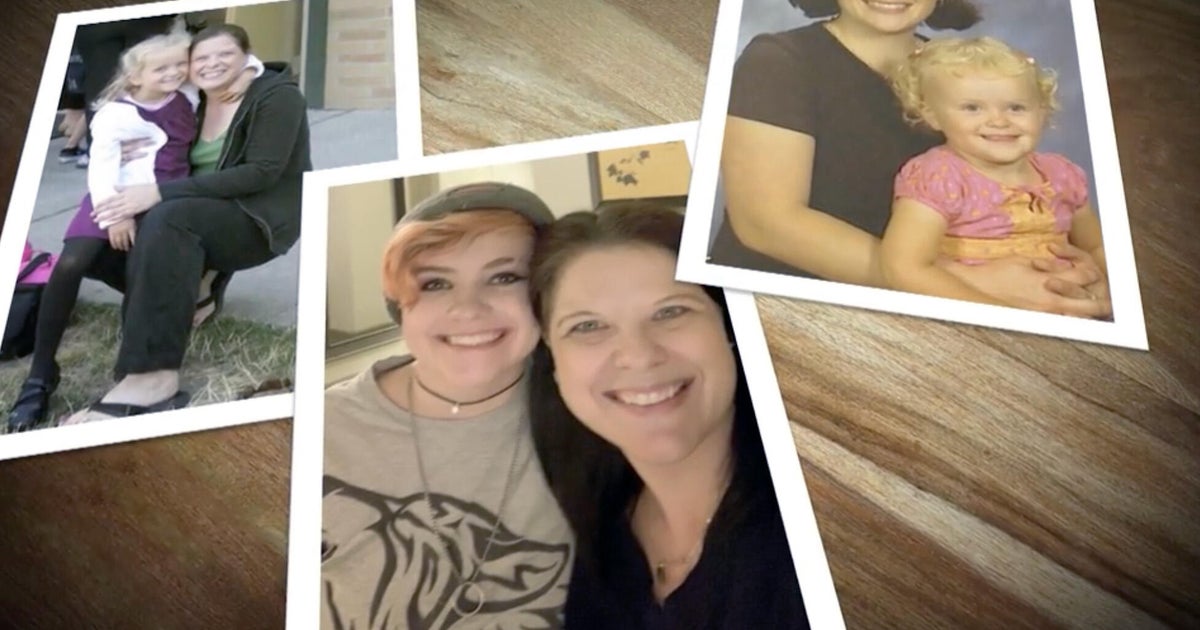
Taylor Kiesel, a 20-year-old from Seattle, has been struggling with sleepless nights and panic attacks for the past three years. To cope with her emotions, she has turned to caring for reptiles, such as Russian tortoises, geckos, and snakes, which she has been collecting since childhood. She has also started an animal rescue operation from her home to channel her feelings of anger and sadness into a purposeful endeavor.
Taylor's mental health challenges began at a young age, with her father leaving when she was 5 and being diagnosed with autism in first grade. By the age of 6, she was already expressing thoughts of self-harm, which deeply concerned her mother, Rachelle. Despite years of therapy and hospitalizations, Taylor's safety was not guaranteed, leading Rachelle to seek a longer-term placement for her daughter at a residential treatment center in Missouri called Change Academy Lake of the Ozarks (CALO).
Upon arriving at CALO, Taylor felt that something was amiss, as she observed concerning behavior among the residents and staff. This prompted Taylor and Rachelle, along with 15 other families, to file lawsuits against CALO, alleging negligence and mistreatment. Despite CALO's denial of the allegations, police records and incident reports obtained by CBS News paint a troubling picture of violence and misconduct at the facility.
Former staffers at CALO have been convicted of crimes, including sexual assault and possession of child pornography, raising serious concerns about the safety and well-being of the residents. The lack of federal oversight and minimum standards for youth residential treatment programs has allowed such incidents to occur unchecked, prompting calls for stricter regulations and accountability.
While some families, like Taylor's, have faced traumatic experiences at residential treatment centers, others have found solace and support in these programs. Luca, a 20-year-old who entered a wilderness therapy program at age 12, credits the experience with saving his life. However, the high cost of such programs, coupled with limited insurance coverage, has placed a significant financial burden on families seeking help for their children.
As the number of residential treatment centers decreases and demand remains high, families are advocating for a national database of programs, standardized licensing requirements, and a federal bill of rights for children in residential facilities. They are calling for stricter oversight to prevent future incidents of abuse and neglect, ensuring the safety and well-being of vulnerable youth in these programs.
In conclusion, the stories of Taylor, Luca, and their families highlight the complex and often challenging landscape of youth residential treatment programs. While some individuals find healing and support in these facilities, others face trauma and mistreatment. The need for comprehensive oversight, accountability, and transparency in these programs is crucial to safeguarding the welfare of young people seeking help for mental health issues.