Title: "Understanding the Threat of the Bundibugyo Virus: The Latest Ebola Outbreak in the Democratic Republic of the Congo and Uganda
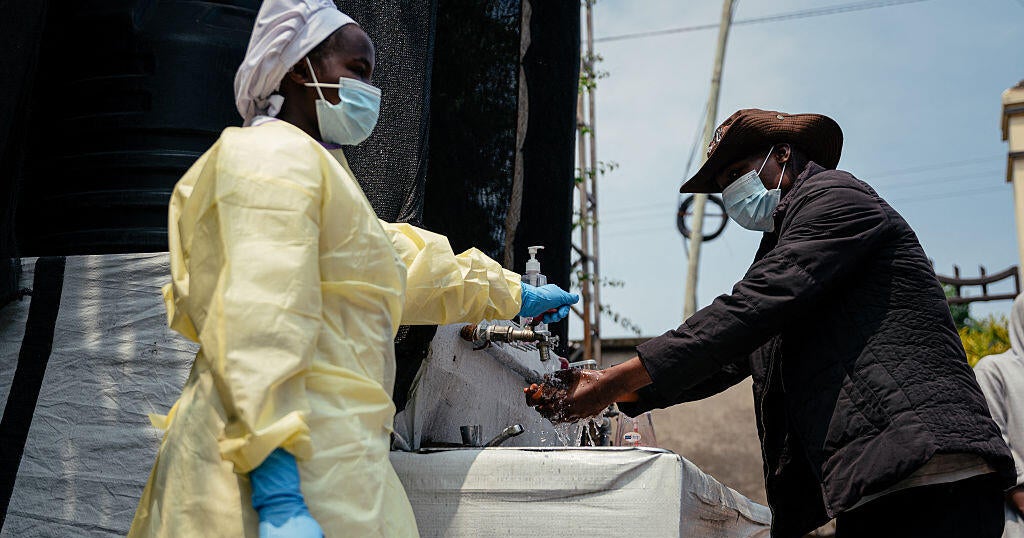
The recent Ebola outbreak in the Democratic Republic of the Congo and Uganda has raised concerns among global health authorities due to the detection of a less common strain of the virus. The World Health Organization declared a public health emergency as the number of suspected cases and deaths continues to increase, with nearly 250 cases and 80 deaths reported so far.
Health officials have identified the virus responsible for this outbreak as the Bundibugyo virus, which is only the third known outbreak of this particular strain. Unlike the more common Zaire strain, there are currently no approved vaccines or treatments available for the Bundibugyo virus.
Ebola disease is caused by orthoebolaviruses, with three main species known to cause large outbreaks: Ebola (Zaire) virus, Sudan virus, and Bundibugyo virus. While vaccines and treatments exist for the Zaire strain, there is a lack of options for the Bundibugyo virus, making it challenging to combat the current outbreak.
Previous outbreaks caused by the Bundibugyo virus in 2007 and 2012 resulted in fewer cases and deaths compared to the current situation. Due to the limited data available on this virus, health experts are still learning about its behavior and characteristics, making it difficult to predict the outbreak's trajectory.
Bundibugyo virus disease is severe and often fatal, spreading through direct contact with bodily fluids of infected individuals. The symptoms can be mistaken for other illnesses initially, leading to challenges in early detection and containment efforts. The fatality rate of Bundibugyo virus disease is estimated to be around 30 to 50%, lower than the Zaire strain's fatality rate of up to 90%.
In conclusion, the current Ebola outbreak caused by the Bundibugyo virus poses a significant public health threat, highlighting the need for continued research and development of vaccines and treatments specific to this less common strain. Global efforts are underway to contain the outbreak and prevent further spread of the virus.