Ethical Implications of AI: Elon Musk vs. OpenAI Trial Verdict
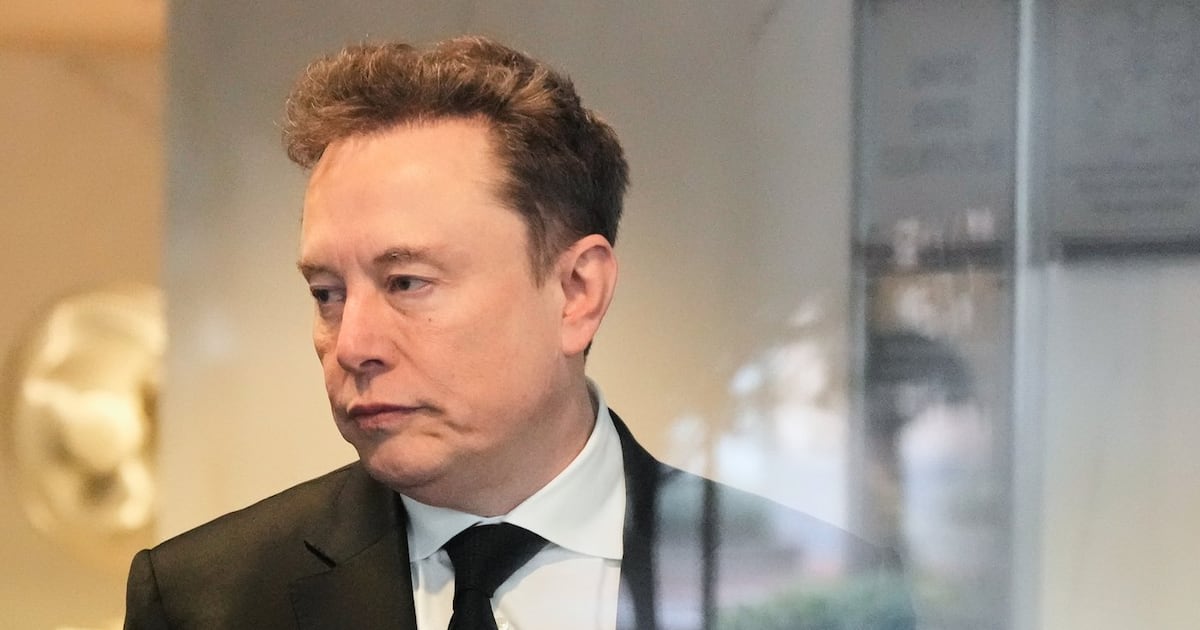
A U.S. jury recently ruled against Elon Musk in his lawsuit against OpenAI, stating that the artificial intelligence company was not responsible for deviating from its original mission to benefit humanity. The trial, which began on April 28 in Oakland, California, has significant implications for the future of AI and its ethical use. AI technology is utilized in various fields such as education, facial recognition, financial advice, journalism, legal research, medical diagnoses, and deep-fakes, raising concerns about its impact on society and employment.
During the trial, both Musk and Altman faced scrutiny over their credibility, with accusations of prioritizing financial gain over public service. Musk alleged that OpenAI was focused on enriching investors and neglecting AI safety, while OpenAI argued that Musk himself was driven by monetary interests. The jury's unanimous verdict highlighted the dispute over whether OpenAI breached its commitment to developing safe AI for the benefit of humanity, with Musk's xAI project now integrated into SpaceX, his space and rocket company.
OpenAI, a key player in the AI industry, competes with companies like Anthropic and xAI and is reportedly considering an IPO that could value the business at $1 trillion. Microsoft, a major partner of OpenAI, has invested over $100 billion in the collaboration. The trial underscored the ongoing debate surrounding the ethical use of AI technology and the responsibility of companies like OpenAI to prioritize safety and societal benefit over financial gain.