Understanding the Health Implications of Beef Tallow: A Cardiologist's Perspective
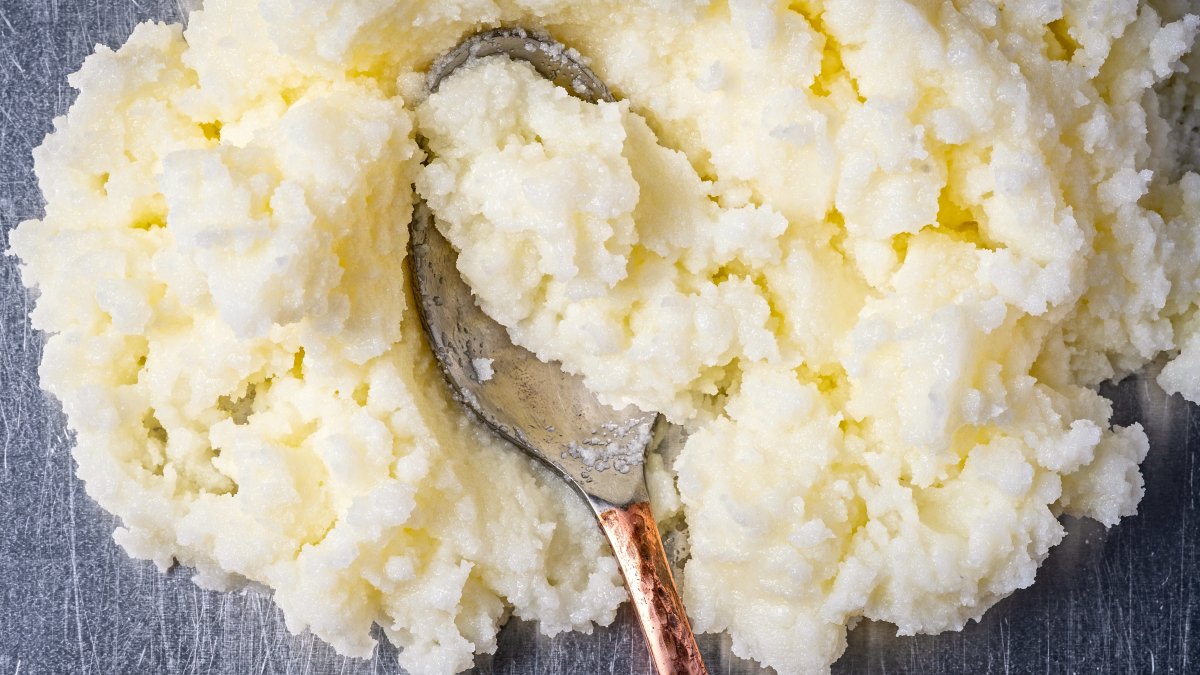
Beef tallow, a rendered fat from beef cattle, is gaining popularity as a cooking fat and shortening in baked goods due to its high smoke point. While some consider it a healthier alternative to seed oils, cardiologists caution against its use. Beef tallow is high in saturated fat, which can raise LDL cholesterol levels, increasing the risk of heart disease. The American Heart Association recommends limiting saturated fat intake to no more than 13 grams per day, equivalent to one tablespoon of beef tallow.
In a recent review published in The Journal of the American College of Cardiology, experts highlighted the lack of evidence supporting the health benefits of beef tallow. They emphasized the potential harm it could cause by raising LDL cholesterol levels, which can lead to the formation of plaque in arteries, restricting blood flow and increasing the risk of heart attacks and strokes. While animal fats like beef tallow contain essential nutrients, consuming them in moderation as part of a balanced diet is advised.
In contrast, plant-based oils like canola, soybean, sunflower, and corn oil have been shown to provide cardiometabolic benefits without promoting inflammation. The experts recommend choosing these oils over tropical oils and animal fats for better heart health. Olive oil, known for its health benefits, is considered the healthiest option for everyday cooking. While beef tallow may be a better choice than highly processed foods, it is still less healthy than plant-based oils or fats from nuts and avocados.
In conclusion, while beef tallow has its culinary uses, it is important to be mindful of its saturated fat content and potential impact on heart health. Opting for plant-based oils and fats rich in unsaturated fats is recommended for maintaining a healthy diet and reducing the risk of cardiovascular disease.