Trump Considers Dropping IRS Lawsuit for Compensation Fund: Controversy Surrounds Proposed Settlement
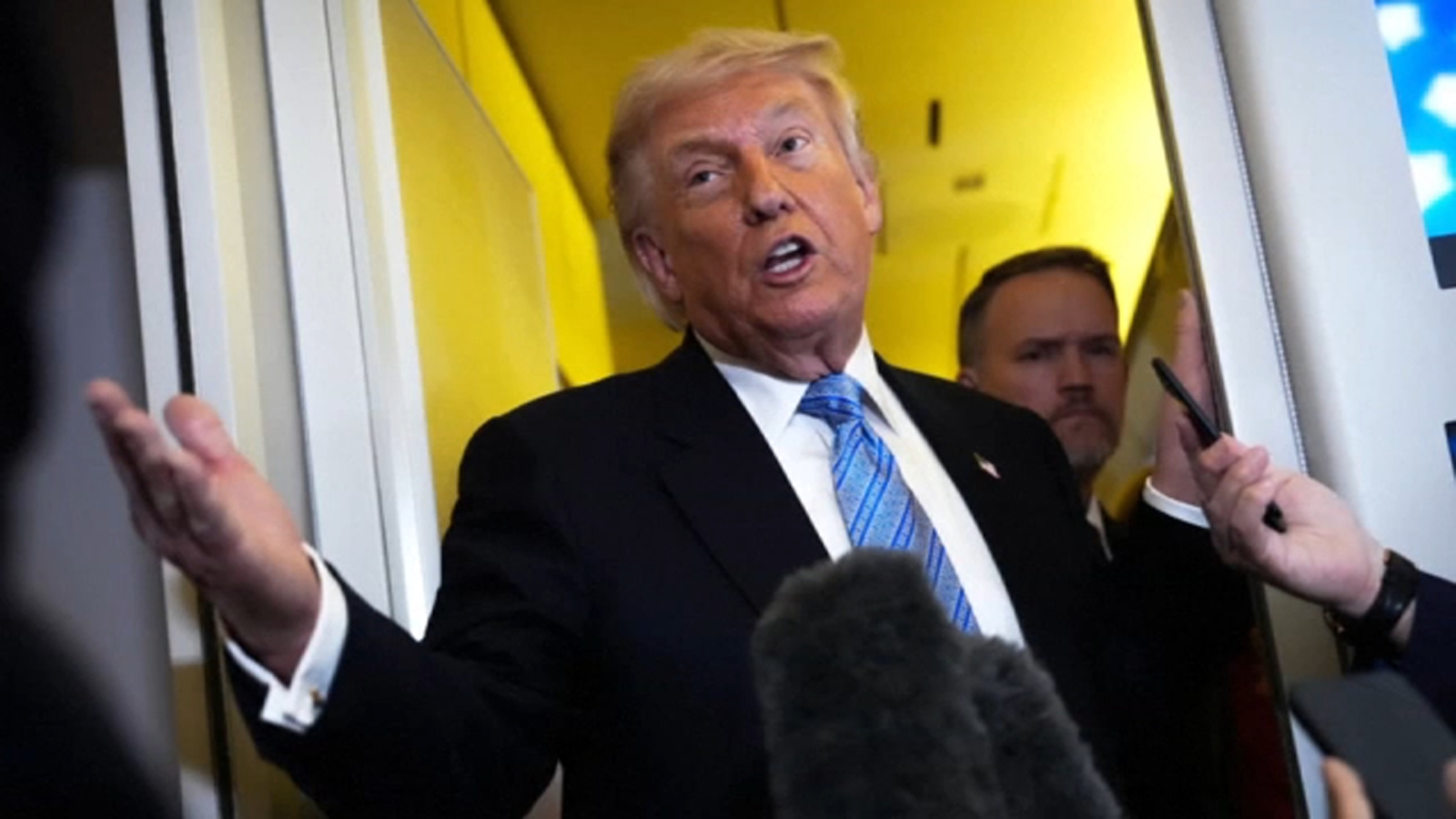
President Donald Trump is considering dropping his lawsuit against the Internal Revenue Service (IRS) in exchange for the creation of a compensation fund. The Department of Justice is working on finalizing a deal to establish a "Truth and Justice Commission" and a $1.776 billion fund to pay claims by alleged victims of government "weaponization." The proposed deal has faced criticism from Democrats, who view it as a potential "slush fund" for Trump's allies. The DOJ initially explored legal justifications to compensate Trump directly but later shifted focus to the compensation fund as a resolution to the conflict of interest concerns.
DOJ lawyers have invoked the legal principle of the "rule of necessity" to justify the proposed settlement, arguing that Trump's dual roles as a private citizen and president necessitate the resolution. The plan to compensate Trump directly was abandoned as the judge overseeing the IRS lawsuit raised concerns about the conflict of interest. The proposed compensation fund, with a symbolic figure of $1.776 billion, is subject to potential changes before finalization. A group of prominent attorneys has been appointed to provide input on the case, highlighting concerns about Trump's control over the defendants and the potential influence on the legal proceedings.
The lawsuit against the IRS stemmed from a government contractor's theft of tax information from Trump and other wealthy individuals, leading to media leaks in 2019 and 2020. The proposed settlement includes dropping the IRS lawsuit and two civil claims related to the Russia collusion investigation and the search of Trump's Mar-a-Lago estate. Trump would not be eligible for compensation from the fund for these claims, but entities associated with him could file claims. The creation of the "President Donald J. Trump Truth and Justice Commission" with appointed commissioners and limited transparency in the awarding process is part of the proposed settlement.
The response from U.S. District Judge Katheen Williams to the proposed settlement remains uncertain, as the details have not been disclosed to the court. Democratic lawmakers have raised concerns about the reported settlement, labeling it as "outright corruption" and calling for legislative restrictions on taxpayer-funded compensation funds. Republican Rep. Brian Fitzpatrick also expressed skepticism about the legality of the compensation fund, suggesting that the matter could potentially reach the Supreme Court for resolution.
In conclusion, the potential resolution of Trump's IRS lawsuit through the creation of a compensation fund and a Truth and Justice Commission has sparked controversy and legal scrutiny. The proposed settlement, aimed at addressing conflict of interest concerns and compensating alleged victims of government "weaponization," faces challenges from lawmakers and legal experts, highlighting the complex legal and ethical implications of the case.