Preserving Sacred Lands: Indigenous Concerns Amid Border Wall Construction
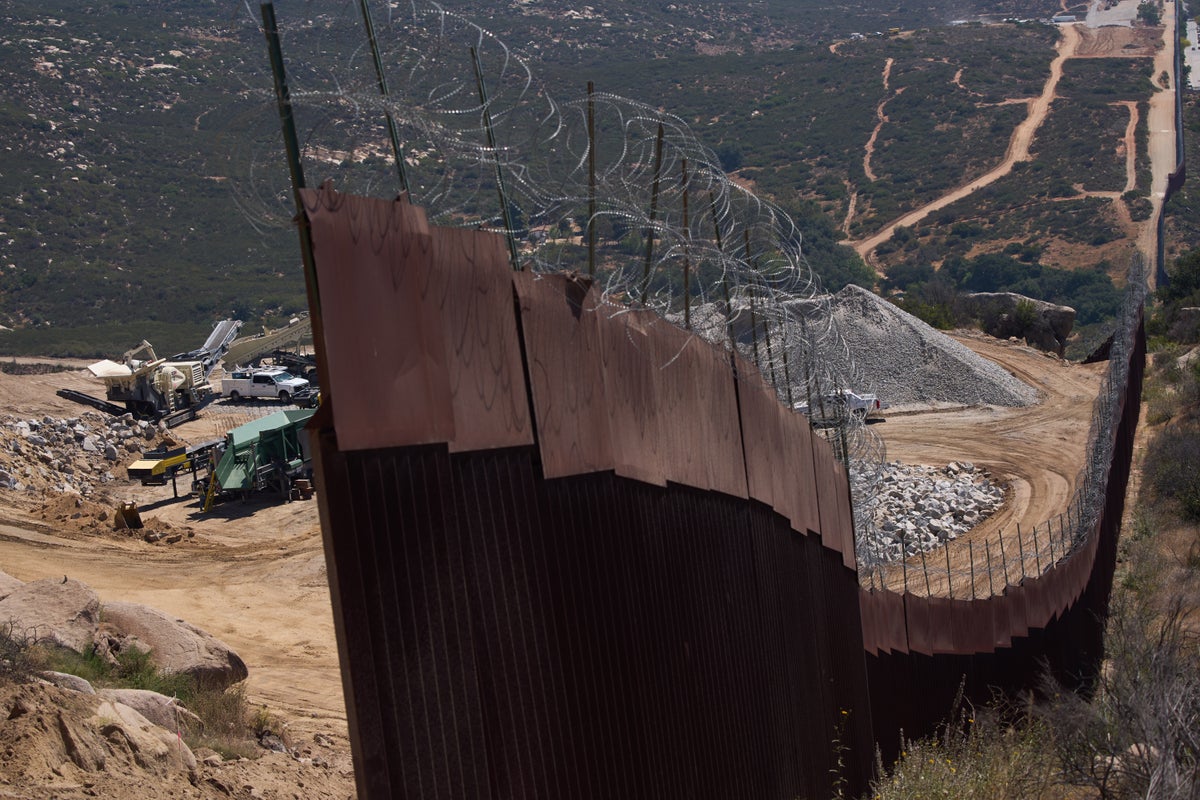
At a Mexican wellness resort, Norma Meza Calles, a Kumeyaay Nation tribal leader, gathers guests to honor Kuuchamaa Mountain, a sacred place for the tribe. The mountain holds significant cultural and spiritual importance for the Kumeyaay people, who view it as a healer and a source of strength in challenging times. However, the tranquility of the moment is disrupted by the sound of rock blasting, as U.S. federal contractors continue to bulldoze and blast Kuuchamaa to make way for new sections of the U.S.-Mexico border wall.
Indigenous leaders express concern over the desecration of Native American sacred sites and cultural landmarks due to the rapid construction of border walls under the Trump administration. The construction activities have raised alarms among tribal communities, with more than 170 years passing since the international boundary divided the territories of numerous tribes. Despite a decline in illegal border crossings, the building of barriers along the border has intensified, particularly after the U.S. Department of Homeland Security waived cultural and environmental laws to expedite the process.
In California, explosions on Kuuchamaa Mountain have triggered rockfalls on the Mexican side, evoking a deep connection and concern among the Kumeyaay Nation members. The tribe emphasizes the inseparable bond between the land and their identity, with the use of dynamite on the mountain causing distress and prompting discussions with DHS officials to safeguard the sacred site. The Kumeyaay Nation, comprising multiple tribes in California and Mexico's Baja California, is exploring legal avenues to protect Kuuchamaa from further harm.
In Arizona, the destruction of a 1,000-year-old geoglyph known as "Las Playas Intaglio" by DHS contractors has sparked outrage among the Tohono O'odham Nation. The geoglyph, a significant cultural artifact etched into the desert floor, was inadvertently disturbed during construction activities, leading to irreversible damage. Tribal leaders stress the importance of preserving such historical sites, which hold immense cultural value and reflect the heritage of the O'odham people. Efforts are underway to engage with federal authorities and advocate for the protection of ancestral lands and sacred sites.
The Inter-Tribal Association of Arizona, representing 21 tribes, has voiced opposition to the construction of additional border walls, including a secondary wall and a primary bollard wall planned on Tohono O'odham tribal lands. Tribal representatives have engaged with Homeland Security officials to convey their concerns and seek alternative solutions to border security challenges. Despite these efforts, the Trump administration remains committed to expanding border walls to deter illegal activities along the U.S.-Mexico border, citing the need for enhanced security measures.
The construction of border walls has raised environmental and cultural preservation concerns, particularly in regions with rich biodiversity and historical significance. The impact of wall construction on wildlife habitats, endangered species, and sacred sites has prompted tribal communities and conservationists to advocate for sustainable and respectful border security solutions. While the federal government emphasizes the importance of border security, tribal leaders and environmental advocates stress the need to balance security measures with the protection of natural and cultural resources along the border.
The desecration of sacred Native American sites on federal or tribal lands is considered a felony under U.S. law, with penalties including imprisonment and fines. The protection of cultural heritage sites, such as Kuuchamaa Mountain, is crucial to preserving the identity and traditions of indigenous communities. Despite legal protections and historical recognition of sacred sites, the ongoing construction of border walls poses a threat to cultural heritage and environmental conservation efforts. The Kumeyaay Nation and other tribes continue to advocate for the preservation of sacred lands and the enforcement of federal laws to safeguard cultural resources.
Kuuchamaa Mountain, also known as Tecate Peak, holds a special place in the hearts of both Native and non-Native individuals. The mountain's healing energy has inspired generations of people, including the founder of Rancho La Puerta, a renowned wellness resort in Tecate, Mexico. The spiritual significance of Kuuchamaa transcends cultural boundaries, with many individuals forming deep connections with the mountain and seeking solace in its presence. Despite the challenges posed by border wall construction, the resilience and determination of tribal communities to protect their sacred sites remain unwavering.
In conclusion, the construction of border walls along the U.S.-Mexico border has raised concerns about the desecration of Native American sacred sites and cultural landmarks. Tribal leaders, conservationists, and community members are advocating for the preservation of cultural heritage and environmental resources in the face of rapid border wall construction. The protection of sacred lands, such as Kuuchamaa Mountain and Las Playas Intaglio, is essential to honoring the history and traditions of indigenous communities. As discussions continue between tribal representatives and federal authorities, the need for sustainable and culturally sensitive border security solutions remains a pressing issue for all stakeholders involved.