Navigating Funding Restrictions: Canadian Aid Organizations Discuss Strategies for Sustaining Sexual Health Initiatives
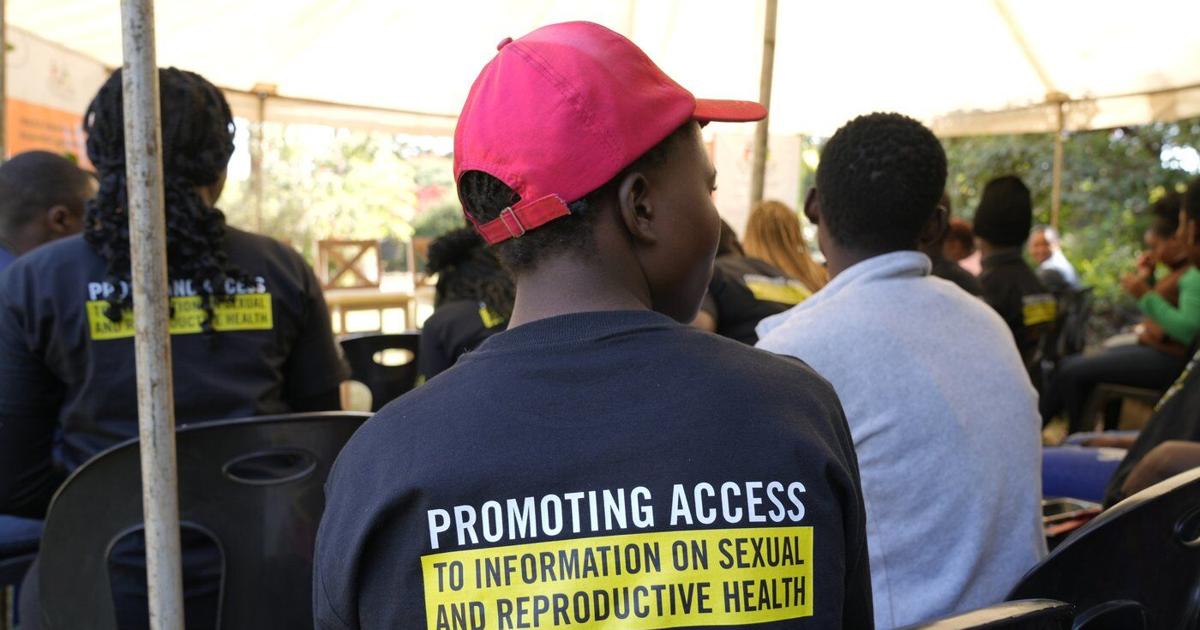
Canadian aid organizations are currently discussing how to address the impact of American policies that restrict U.S. aid to groups in developing countries that offer abortion services, science-based sexual health information, or LGBTQ+ advocacy. This move has prompted concerns among aid groups in Canada, who are now urging Prime Minister Mark Carney to form a coalition with other nations to support sexual health initiatives. The discussions are centered on finding alternative funding sources to sustain critical programs in the face of these restrictions.
The restrictions imposed by the U.S. government have raised significant challenges for Canadian aid organizations that rely on American funding to support their initiatives in developing countries. The policy effectively blocks financial support to any organization that engages in activities related to abortion, sexual health education, or LGBTQ+ advocacy. This has led to a reevaluation of funding strategies and partnerships to ensure the continuity of essential services in regions where these programs are crucial.
The rollback of feminist aid policies by the U.S. administration has underscored the importance of international collaboration in supporting sexual health programming. Canadian aid groups are exploring ways to navigate these challenges and maintain their commitment to promoting sexual and reproductive health rights globally. The need for a coordinated response to safeguard these initiatives has become increasingly urgent in light of the restrictive policies imposed by the United States.
In response to the limitations imposed on U.S. aid, Canadian organizations are seeking alternative avenues to sustain their programs and initiatives in developing countries. The discussions among aid groups are focused on identifying innovative funding sources and partnerships that can help mitigate the impact of the funding restrictions. By exploring new strategies and collaborations, these organizations aim to ensure the continuity of vital services and support for marginalized communities.
The deliberations among Canadian aid groups reflect a shared commitment to upholding sexual and reproductive health rights in the face of external challenges. The discussions underscore the importance of international solidarity and cooperation in advancing these critical issues on a global scale. As organizations navigate the complexities of funding restrictions and policy changes, the need for collective action and advocacy remains paramount. By working together and leveraging resources effectively, aid groups can continue to make a meaningful impact in promoting sexual health and rights worldwide.
In conclusion, Canadian aid organizations are actively engaging in discussions to address the implications of U.S. policies that restrict funding for sexual health programs in developing countries. The need for collaborative efforts and innovative solutions to sustain these initiatives is paramount in ensuring the continuity of essential services. By advocating for the protection of sexual and reproductive health rights and exploring alternative funding sources, Canadian aid groups are demonstrating their commitment to supporting marginalized communities and advancing global health outcomes.