Challenges in Wildfire Prevention: Funding Delays and Policy Obstacles in Southern Washington
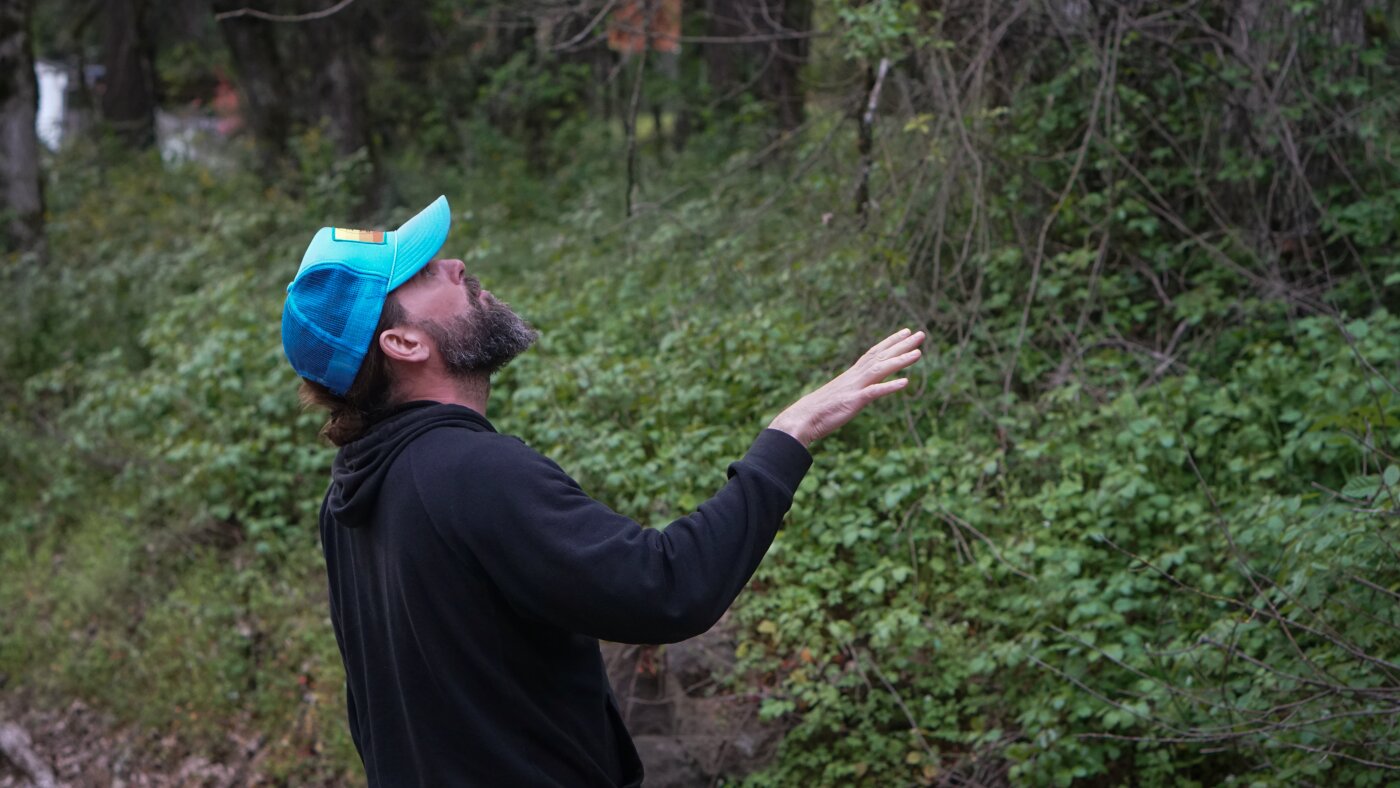
In southern Washington, Adam Lieberg, a land manager for the Columbia Land Trust, faced challenges in carrying out controlled burns to prevent wildfires due to a lack of federal funding. The delay in receiving a promised grant of over $9 million from the U.S. Forest Service hindered their efforts to protect communities and maintain forest health. The grant was stalled due to new federal policies that imposed unrelated requirements on partners, causing funding delays for various states and organizations across the country.
The Community Wildfire Defense Grant Program, established in 2022 with $1 billion in funding, faced obstacles as partners were required to adhere to new terms and conditions that conflicted with state laws. The changes, aimed at advancing "America First" policies, included restrictions on climate change support and diversity initiatives, leading to legal challenges and funding delays for critical wildfire prevention projects.
The Forest Service's shift towards a full suppression strategy for wildfires and limitations on prescribed burns further exacerbated the wildfire risk. These policy changes, coupled with staffing reductions and budget constraints, raised concerns among firefighters and forestry professionals about the potential for more severe wildfires and increased public safety risks. The suppression-focused approach was criticized for disregarding scientific evidence and indigenous knowledge of land stewardship through controlled burns.
Despite the challenges, organizations like the Columbia Land Trust remained committed to their mission of protecting communities and ecosystems through proactive wildfire prevention measures. The urgency to secure funding and conduct controlled burns before the onset of hotter months underscored the critical need for timely support to mitigate wildfire risks. The ongoing delays in funding and policy changes posed significant obstacles to effective wildfire management efforts, highlighting the importance of addressing funding gaps and regulatory barriers to safeguard communities and natural landscapes.
As the wildfire season approached, the need for swift action to address funding delays and policy constraints became increasingly pressing. The collaboration between federal agencies, state partners, and local organizations was essential to overcoming these challenges and implementing effective wildfire prevention strategies. By prioritizing proactive measures such as controlled burns and supporting frontline firefighters, stakeholders could work together to reduce the impact of wildfires and protect vulnerable communities from the growing threat of catastrophic blazes.