Battle for the 7th: Contrasting Messages in Pennsylvania's Democratic Primary
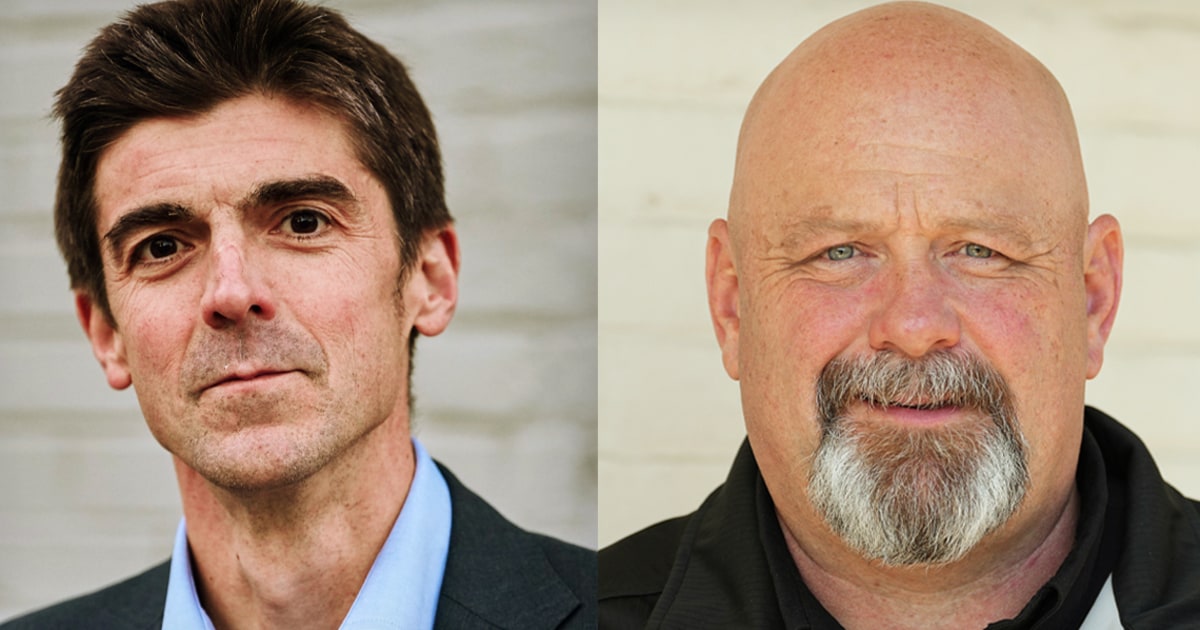
In Bethlehem, Pennsylvania, Bob Brooks and Ryan Crosswell, Democratic candidates for a competitive House seat in the Lehigh Valley, presented contrasting messages to union leaders and supporters. Brooks emphasized his working-class background and the need for representation in Washington, while Crosswell highlighted his military and prosecutorial experience, denouncing corruption and lawlessness in the administration.
The Democratic primary for Pennsylvania's 7th Congressional District has become a battleground for the party's ideological spectrum, with leaders like Sen. Bernie Sanders and Gov. Josh Shapiro backing Brooks. They believe Brooks can connect with voters on economic issues and address the imbalance of power in Washington, emphasizing the need for more relatable candidates like him in Congress.
As national Democrats aim for a broader appeal beyond anti-Trump sentiments, the primary race in the 7th District reflects a shift towards candidates like Brooks, who is seen as a gruff retired firefighter with a direct approach to addressing economic hardships. The party is seeking candidates who can resonate with everyday Americans and bring a fresh perspective to Congress.
While Crosswell embodies the traditional candidate profile sought by Democrats in swing races, Brooks' grassroots support and endorsements from prominent figures like Sanders and Shapiro have positioned him as a frontrunner in the primary. The race also includes other candidates like Lamont McClure and Carol Obando-Derstine, who are vying to challenge Republican Rep. Ryan Mackenzie in the fall.
The primary election in the 7th District is crucial, given its competitive nature and history of close margins between parties. With Trump winning the district in 2024 and Biden narrowly carrying it in 2020, the race is expected to be closely watched as a bellwether for the upcoming midterm elections. The candidates are working to appeal to a diverse electorate, including the Latino community in the district.
Brooks' campaign has faced challenges, including scrutiny over past social media posts and financial disclosures. Despite these setbacks, his supporters believe in his ability to bring about change and represent the interests of working-class Americans. The Democratic Party's backing of Brooks signals a shift towards more relatable candidates who can connect with voters on a personal level.
As the primary race unfolds, the candidates are making their case to voters and highlighting their unique qualifications for the job. Brooks' working-class background and direct approach contrast with Crosswell's military and legal experience, creating a dynamic race that reflects the broader ideological spectrum within the Democratic Party. The outcome of the primary will shape the party's strategy for the general election and its efforts to appeal to a diverse electorate.