Navigating Uncertainty: The Impact of Trade Deals on Iowa Farmers
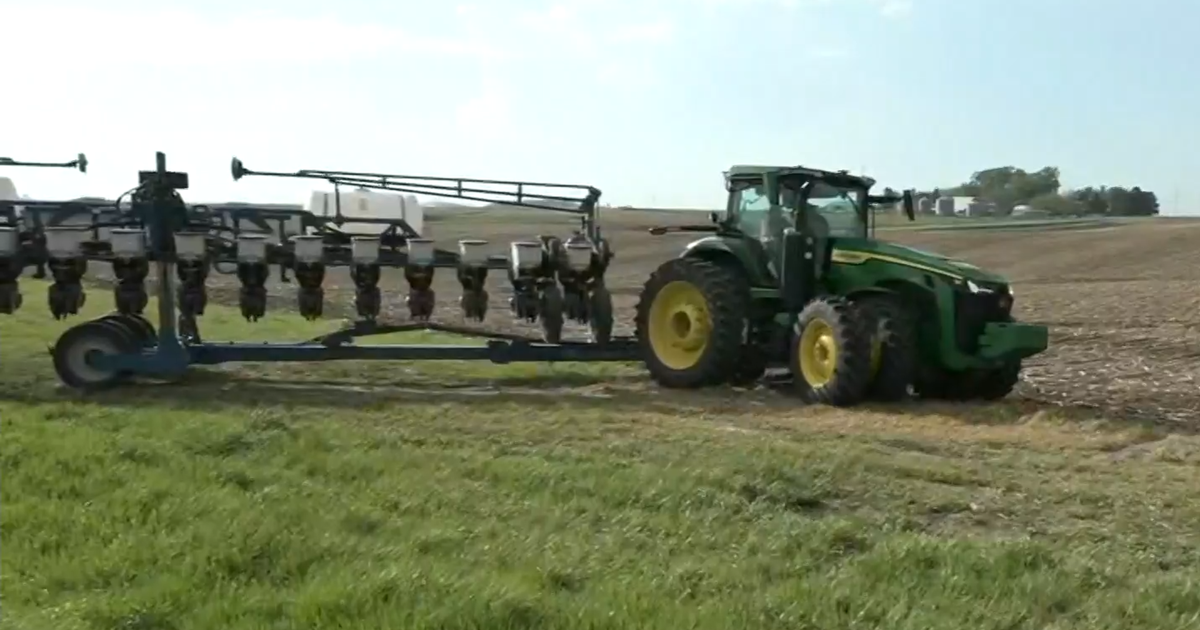
In Harlan, Iowa, Rick Chipman is pleased with the progress of the young soy plants emerging in his fields. Chipman, who farms corn and soy on 1,800 acres in Shelby County, also runs a hog operation that helped offset losses from the previous year's trade war. The price of soybeans remains low, down nearly a third from the previous year, and farmers like Chipman were hopeful for positive outcomes from President Trump's visit to China. However, the lack of specific commitments from China following the visit has left farmers uncertain about the future of soybean trade.
President Trump claimed to have made great trade deals with China, but the lack of details on timing, volume, and specific purchases has left the markets unsettled. China's status as the largest buyer of soybeans adds to the importance of clear commitments in trade agreements. The ongoing tensions with Iran have further strained farmers, leading to a significant increase in diesel prices and rising costs of agricultural inputs like seeds and fertilizers.
The financial pressure on farmers is evident, with rising costs impacting their bottom line. Iowa farmer Clay Geyer highlighted the significant expenses involved in farming, with costs adding up quickly during planting season. The economic challenges have pushed some farmers to consider seeking off-farm jobs to supplement their income and ensure financial stability for their families.
The uncertainty in trade agreements and the escalating costs of farming inputs are creating a challenging environment for American farmers. The lack of clarity on trade deals with China and the broader economic impacts of geopolitical tensions are contributing to financial strain in the agricultural sector. As farmers navigate these challenges, the need for stable trade policies and support for the agricultural industry remains crucial for their livelihoods and the broader economy.