Unraveling the Michael Jackson Conspiracy: The Dave Dave Connection Explained
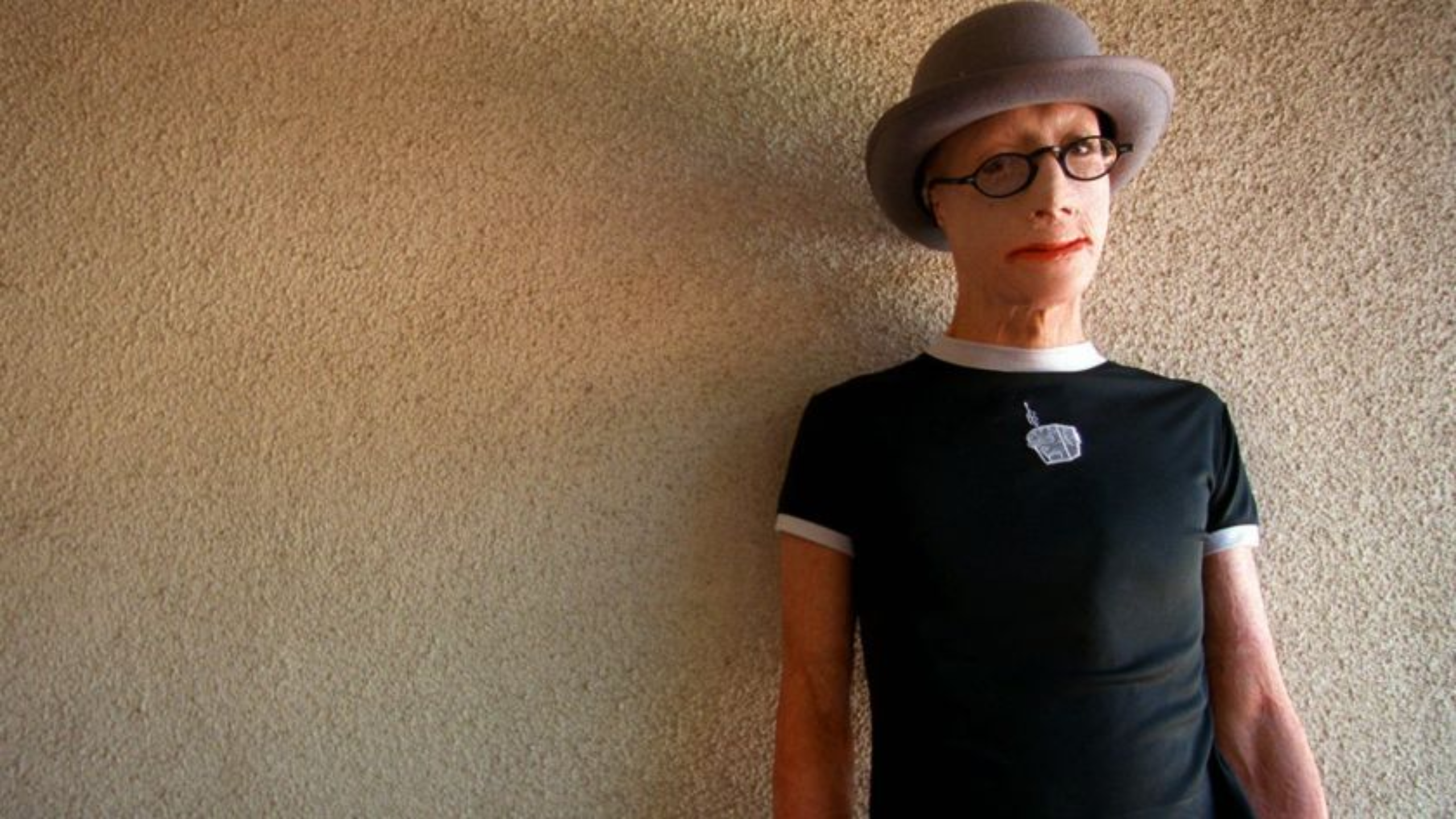
The resurgence of online conspiracy theories suggesting that Michael Jackson is still alive has gained traction once again, fueled by the circulation of old interview footage featuring burn survivor Dave Dave. The viral clips have sparked renewed speculation linking the two figures, despite the absence of credible evidence to support these claims. The discussion has rapidly spread across social media platforms, where edited segments of a 2003 television interview have been shared as supposed 'proof' of identity switching.
Interest in the theory has heightened following the reemergence of Dave Dave's appearance on Larry King Live in 2003. In the interview, Dave Dave, whose face was mostly concealed by a hooded garment, spoke with a distinct voice altered by severe burn injuries sustained in his childhood. Clips from this interview have been widely circulated on platforms like TikTok, YouTube Shorts, and X, often without proper context, fueling claims that Michael Jackson may have faked his death and assumed a different identity.
Despite the widespread sharing of these videos, there is no verified evidence to substantiate the theory, and the footage has been consistently misinterpreted in online discussions. Dave Dave, originally known as David Rothenberg, was a real burn survivor who gained public recognition for his survival story and media appearances. Following a tragic incident in 1983 where he suffered severe burns in an attack by his father, Dave Dave underwent extensive medical treatment and reconstructive surgeries, eventually becoming a public speaker sharing his journey of recovery and resilience.
His appearance on television, including the Larry King Live interview, was a documented part of his public life, supported by medical records and public documentation that confirm his identity and history. There is no credible evidence linking him to any impersonation theories involving Michael Jackson. The theory suggesting Dave Dave was Michael Jackson is part of a broader internet conspiracy narrative alleging that the singer faked his death in 2009, primarily based on visual interpretations of public footage rather than concrete facts.
Supporters of the theory point to Dave Dave's covered face, hooded clothing, and altered speech patterns as potential signs of disguise, overlooking the documented impact of his burn injuries on his appearance and voice. The speculation also hinges on perceived similarities in voice and mannerisms, sparking ongoing debates in online forums. The theory's timeline, centered around Dave Dave's appearance in 2003 before Michael Jackson's death, contradicts claims that he appeared as Jackson posthumously, undermining a key element of the conspiracy.
The resurgence of the theory can be attributed to the algorithmic amplification of short-form video content, with edited clips from older interviews being reposted without context, facilitating the rapid spread of misleading interpretations. Platforms like TikTok and YouTube have played a pivotal role in reigniting the debate, as users compile comparison videos and commentary framing the footage as evidence of identity concealment. The lack of context in these reposts has led to confusion, particularly among audiences unfamiliar with the original interview or Dave Dave's background.
Experts in online misinformation highlight that celebrity death conspiracies often persist due to emotional connections, ambiguity in older media footage, and the viral nature of algorithm-driven platforms. In this case, the combination of a globally recognizable figure and visually striking interview footage has sustained ongoing speculation. As these clips continue to circulate, the theory serves as a reminder of how fragmented archival media can be reinterpreted and amplified into recurring internet narratives.