Risks and Concerns in the Rapid Adaptation of Low-Cost Drones for Military Use
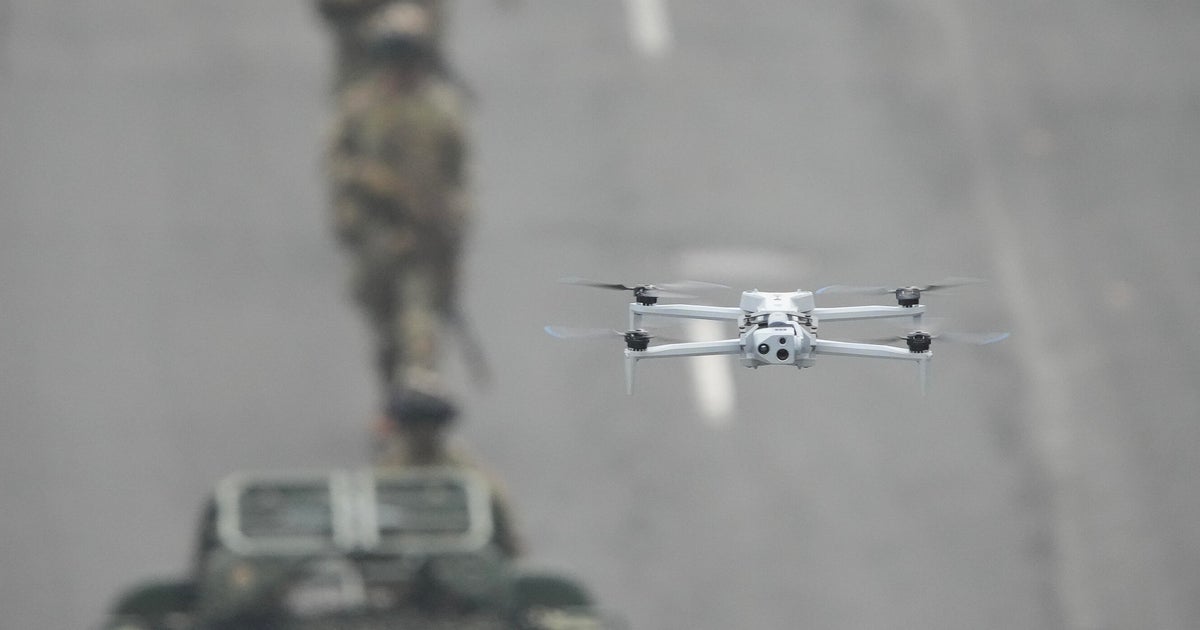
The U.S. military is rapidly adapting low-cost drones for battlefield use, but concerns have been raised about the potential risks of accidents due to the rush to innovate. A memo obtained by CBS News highlighted an incident where a mini-drone detonated, injuring an Army Special Forces soldier. The memo, written by an Army explosive safety specialist, warned that the push to counter unmanned aerial threats could compromise established safety standards.
Drones have long been utilized by the U.S. military, but the Russia-Ukraine conflict has emphasized the need to scale up production of lethal drones quickly and affordably. Defense Secretary Pete Hegseth established Joint Interagency Task Force 401 to enhance drone production capabilities, following a request for information from the defense industry to manufacture around 300,000 drones. The safety specialist's assessment, originating from Fort Polk in Louisiana, highlighted concerns about the neglect of basic explosive safety principles in the rush to address future threats related to unmanned aerial systems.
The incident involving the detonation of a small explosive device attached to a drone at the Army's Joint Readiness Training Center prompted the safety warning. While Army Col. Allie Scott of the U.S. Army Special Operations Command suggested that the safety investigator's comments were opinion-based, the authenticity of the memo and the soldier's quick return to duty after sustaining injuries were confirmed. The detonation, triggered during troubleshooting by a Special Forces soldier, resulted in minor injuries, emphasizing the potential dangers associated with such incidents.
The investigation into the detonation indicated that static electric charge or electromagnetic radiation may have triggered the explosion, possibly due to an improperly secured relay switch on the drone's carbon fiber frame. The XM183 "MiniBlast" pyrotechnic cartridge involved in the incident, manufactured by PR Tactical Corporation, is designed to simulate combat conditions during training exercises. The cartridge poses a medium-level hazard risk due to its potential to produce dangerous fragments or shrapnel and accidental ignition or detonation.
In conclusion, the rush to innovate in drone technology for military applications has raised concerns about the adherence to basic explosive safety standards. The incident at the Joint Readiness Training Center serves as a reminder of the importance of maintaining safety protocols in the development and deployment of unmanned aerial systems to mitigate the risk of accidents and ensure the well-being of military personnel.