Navigating Global Affairs: Trump's China Visit, FDA Chief's Resignation, Cuba Talks, and Medicaid Funding Challenges
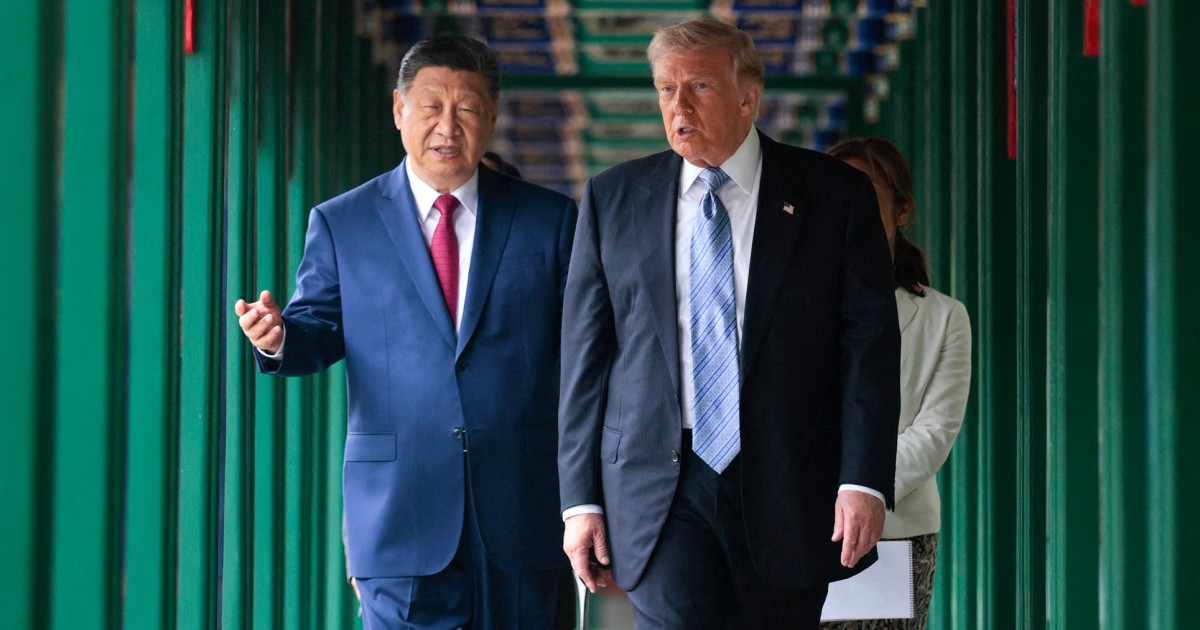
President Trump recently returned to the U.S. after a two-day visit to China, where he met with President Xi Jinping. While Trump mentioned successful trade deals with China, no specific details were provided about the agreements. The visit included a tea ceremony and a working lunch, with discussions on various topics, including Iran and potential trade deals. Trump's departure from Beijing was marked by a ceremonial send-off at the airport.
The resignation of FDA chief Dr. Marty Makary has raised questions about the circumstances leading to his departure. Sources suggest that Trump's push to lift a ban on fruit-flavored e-cigarettes may have been a factor in Makary's decision to resign. The push for the ban's reversal came after a meeting with tobacco industry representatives in Florida, prompting a swift response from the FDA. Makary, who opposes fruit-flavored e-cigarettes due to their impact on youth vaping, chose not to defend a decision he disagreed with.
CIA Director John Ratcliffe held discussions with Cuban officials in Havana to address intelligence cooperation, economic stability, and security issues. The meeting aimed to ensure that Cuba does not serve as a safe haven for adversaries in the Western Hemisphere. The U.S. has offered support for satellite internet and humanitarian assistance to Cuba, which is facing challenges following the arrest of Venezuela's president. The Trump administration's efforts to pressure the Cuban government have intensified, reflecting growing frustration with the regime's grip on power.
Medicaid-funded programs that allow full-time caregivers to be paid face uncertainty as budget cuts loom. Melissa Gonce, a caregiver in Maryland, relies on Medicaid funding to care for her son full time. However, impending cuts to Medicaid funding could result in significant income reductions for caregivers like Gonce. The potential impact of these cuts on caregiving programs has sparked debate and raised concerns about the financial stability of families who rely on these services. The future of Medicaid-funded caregiving programs remains uncertain as states grapple with budget constraints.
In conclusion, the recent developments in trade negotiations with China, the resignation of FDA chief Dr. Marty Makary, diplomatic discussions with Cuba, and the challenges facing Medicaid-funded caregiving programs highlight the complex issues affecting various sectors. The implications of these events underscore the need for continued dialogue and strategic decision-making to address economic, healthcare, and international relations challenges.