Managing Wyoming's Wolf Population: Proposed Hunting Quota Reductions in Response to Canine Distemper Outbreak
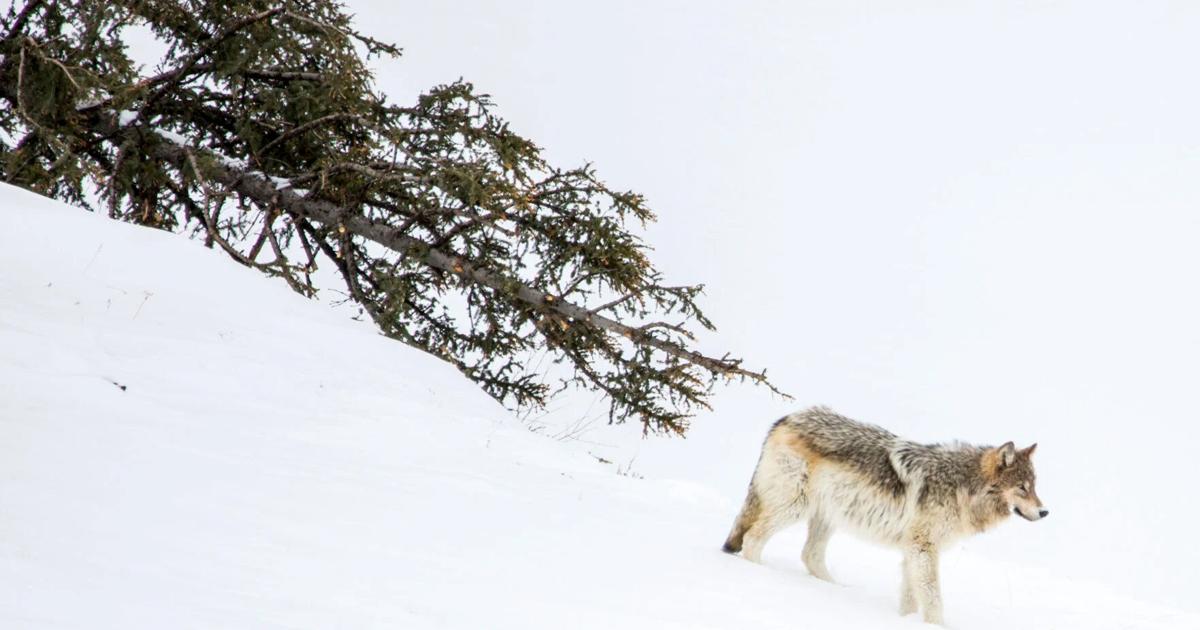
Wyoming wildlife managers are planning to reduce the number of wolves that can be hunted by 50% due to a canine distemper outbreak that has caused a significant decline in the state's wolf population. The new limit of 22 wolves available for licensed hunters is the lowest since wolf hunting was allowed in 2012 after the Endangered Species Act protections were lifted. Last year, hunters were allowed to target a maximum of 44 wolves in the Greater Yellowstone Ecosystem area, but only 31 wolves were killed.
The decline in the wolf population is primarily attributed to a canine distemper outbreak rather than hunting. The disease, which is similar to measles, has been detected in a majority of the wolves handled by Wyoming biologists during routine capture work. As of 2026, there are 253 wolves and 14 breeding pairs in the state, representing a decrease from the previous estimates.
To address the declining wolf population, Wyoming is proposing a hunt for 2026 aimed at increasing the number of wolves in the trophy game area in the state's northwest corner. The goal is to grow the population by 28 wolves to meet the state's objective of 160 wolves. The reduction in hunting quotas is not uniform across all regions, with the largest decrease proposed in the Jackson region.
Wyoming's draft regulations also include changes to hunting limits in specific areas to manage the wolf population effectively. Public meetings will be held to discuss the proposed hunting regulations, and public comments can be submitted until June 10. The state agency's commission will review and finalize the regulations at their meeting in July.
The decrease in wolf hunting quotas in Wyoming is a response to the decline in the wolf population due to a canine distemper outbreak. The state is taking steps to manage the wolf population effectively and ensure that it meets its objectives for wolf conservation. Public input and feedback will play a crucial role in shaping the future of wolf hunting regulations in Wyoming.