Navigating Economic Challenges: Kevin Warsh's Role as the New Chair of the Federal Reserve
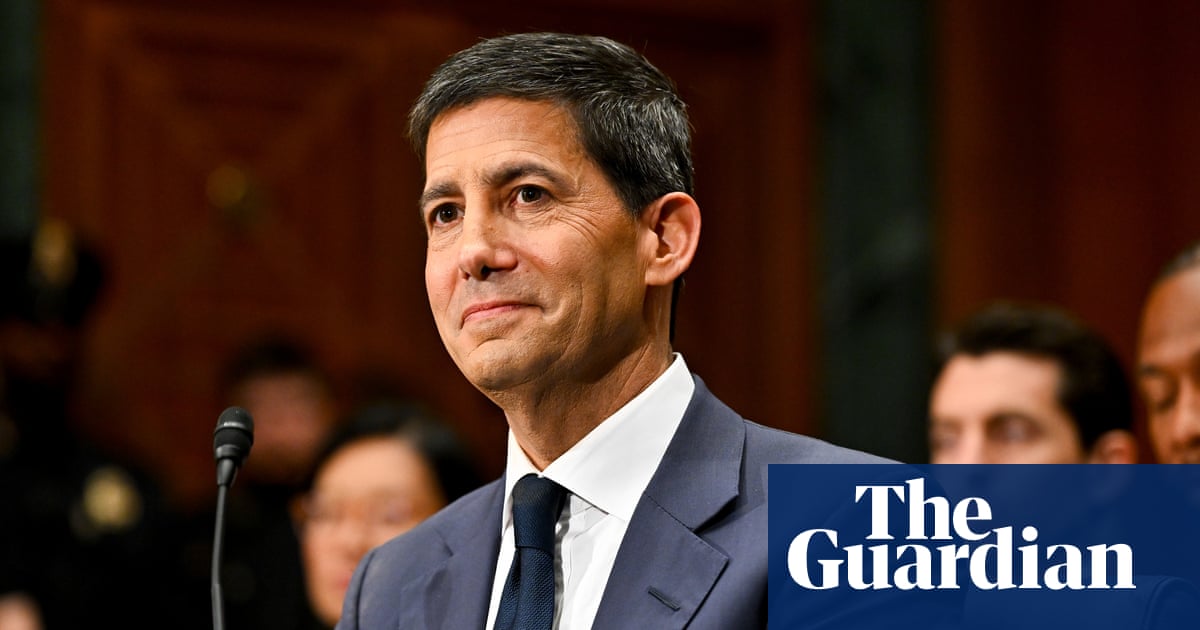
The US Senate has officially confirmed Kevin Warsh as the new chair of the Federal Reserve, a crucial role that holds significant influence over the economy. The Senate vote, split along party lines, appointed Warsh for a four-year term as chair and a 14-year position on the Fed's rate-setting board. Warsh will assume his new responsibilities on 14 May, succeeding Jerome Powell as the Fed chair.
As the head of the Federal Reserve, Warsh will face the challenge of navigating the pressure from the Trump administration to lower interest rates amidst rising inflation and ongoing conflicts in the Middle East. The Fed's decisions on interest rates have a direct impact on borrowing costs, spending, and inflation rates, making it a critical aspect of economic policy.
Warsh, an Ivy League economist and former Wall Street banker, previously served as a Fed governor from 2006 to 2011. Known for his stance on combating high inflation through higher interest rates, Warsh will need to garner support from the other members of the Fed's voting board to implement any rate adjustments. With inflation currently at 3.8%, advocating for rate cuts may prove to be a challenging task.
During a recent Senate hearing, Warsh emphasized the importance of maintaining Fed independence and keeping monetary policy free from political influence. However, his refusal to address questions regarding the outcome of the 2020 election has raised concerns among Democrats, who fear that Warsh may align too closely with Trump's interests.
Despite the tradition of outgoing Fed chairs stepping down after their terms end, Powell has announced his intention to remain on the Fed board as a voting governor until the White House concludes its investigation into budget overruns at the central bank's headquarters. Powell has criticized the scrutiny as a pretext for pressuring the Fed to lower rates, highlighting the ongoing challenges facing the central bank.
In conclusion, Kevin Warsh's confirmation as the new chair of the Federal Reserve marks a significant transition in leadership at a critical time for the US economy. As he takes on this role, Warsh will need to navigate complex economic challenges, maintain the Fed's independence, and address concerns about political influence on monetary policy to ensure stability and growth in the financial system.