Legislation to Safeguard U.S. Farmland: Addressing National Security Concerns
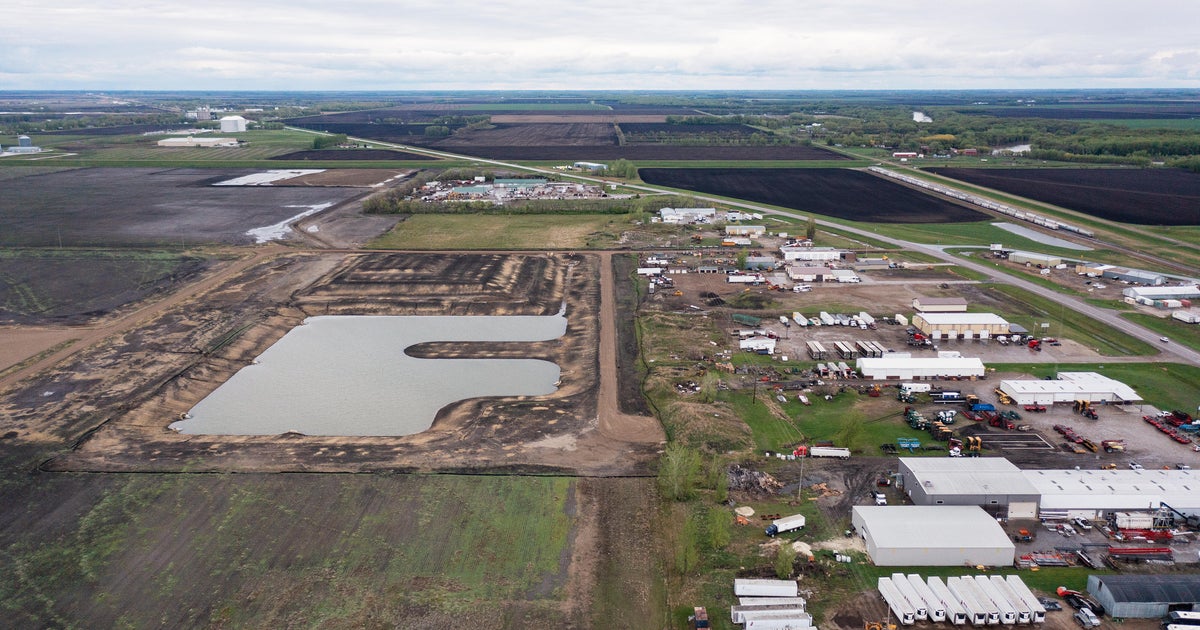
President Trump's meeting with Chinese President Xi Jinping has sparked concerns among lawmakers about China's acquisition of U.S. farmland. A bipartisan group of lawmakers introduced legislation to address loopholes allowing foreign adversaries like China to buy American farmland near sensitive military sites. The bill aims to safeguard national security by restricting foreign ownership of U.S. farmland.
The legislation has garnered support from both Democrats and Republicans, emphasizing the importance of food security as a national security issue. The Trump administration has prioritized tracking foreign land ownership, particularly near critical infrastructure sites. Currently, foreign entities own about 2% of U.S. agricultural land, with Chinese investments accounting for less than 1% of foreign-held land.
President Trump previously signed a memorandum restricting Chinese investments in strategic sectors, including technology, healthcare, and agriculture. The administration aims to balance national security interests while attracting investment to the U.S. The upcoming meeting between President Trump and President Xi is expected to address economic and security concerns.
States with significant Chinese holdings include Texas, North Carolina, Missouri, Florida, and Virginia. Chinese acquisitions, such as Smithfield Foods Inc., have raised concerns about foreign ownership of agricultural land. While some experts believe these concerns are exaggerated, lawmakers are pushing for stricter regulations on land purchases involving China and other foreign adversaries.
The proposed bill would require a review of land purchases involving China, Russia, or other foreign adversaries by the Committee on Foreign Investment in the U.S. Data gaps and incomplete reporting have made it challenging to track foreign investment in the U.S. The Government Accountability Office highlighted the need for better data collection and reporting to Congress and the public.
Efforts to restrict foreign ownership of agricultural land have gained momentum in several states, with laws aimed at limiting foreign investments. States like Utah have expanded restrictions on foreign ownership, disrupting land sales to Chinese-owned companies. The push to regulate foreign ownership reflects ongoing concerns about national security and food sovereignty.
In conclusion, the proposed legislation seeks to address national security concerns related to foreign ownership of U.S. farmland, particularly near sensitive military sites. Lawmakers are working to close loopholes that allow foreign adversaries to acquire American farmland, emphasizing the importance of safeguarding food security as a critical aspect of national security.