Iran's Economic Crisis: The Impact of the Strait of Hormuz Control and U.S. Naval Blockade
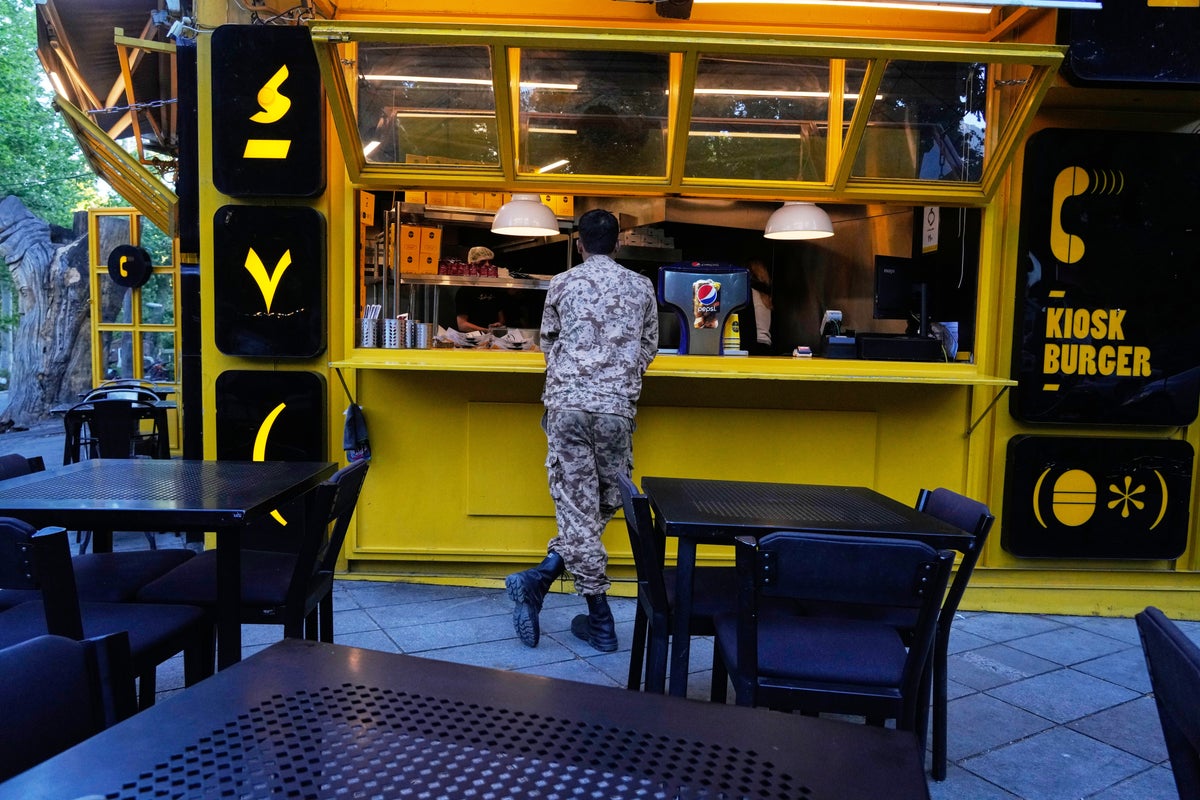
Iran's control over the Strait of Hormuz is impacting global energy supplies and causing economic distress worldwide. The country's own economy is facing challenges, with Iranians experiencing rising prices for essential goods, job losses, and business closures. The economic toll of the war and the U.S. naval blockade on Iran has been significant, leading to high inflation, increased poverty, and a decline in services.
The International Monetary Fund predicts a 6% contraction in the Iranian economy in the coming year, with soaring inflation rates and a devaluation of the rial currency. The economic hardships have sparked protests across the country, highlighting the struggles faced by ordinary Iranians.
The cost of living in Iran has surged, with prices of basic necessities like food and tea skyrocketing. The government has implemented measures to alleviate the financial burden on citizens, but these policies have contributed to inflation. The closure of the strait has further exacerbated the economic crisis, leading to a decline in the middle class and pushing millions of Iranians into poverty.
Many Iranians are resorting to alternative sources of income, such as street vending, to make ends meet amid job losses and economic instability. The economic downturn has taken a toll on mental health, with individuals struggling to afford basic needs and essential services.
Iranian leaders are calling on the public to endure the economic hardships for the sake of the war effort. Supreme Leader Mojtaba Khamenei has emphasized the economic challenges faced by the country and urged employers to avoid layoffs. Parliament speaker Mohammad Bagher Qalibaf has encouraged Iranians to be frugal and support each other during these difficult times.
The U.S. blockade has severely impacted Iran's trade, particularly its oil exports. The reliance on southern ports for trade has been disrupted, further straining the country's economy. Despite the economic difficulties, many Iranians are determined to resist external pressure and maintain their sovereignty.
In conclusion, Iran's economy is facing significant challenges due to the war and the U.S. blockade, leading to rising prices, job losses, and a decline in the middle class. The Iranian government is implementing measures to mitigate the economic impact, but the situation remains dire for many citizens. The resilience of the Iranian people in the face of economic adversity is being tested, as they navigate through these turbulent times.