Elon Musk's Travel Dilemma: Recall Status and Legal Responsibilities in the OpenAI Trial
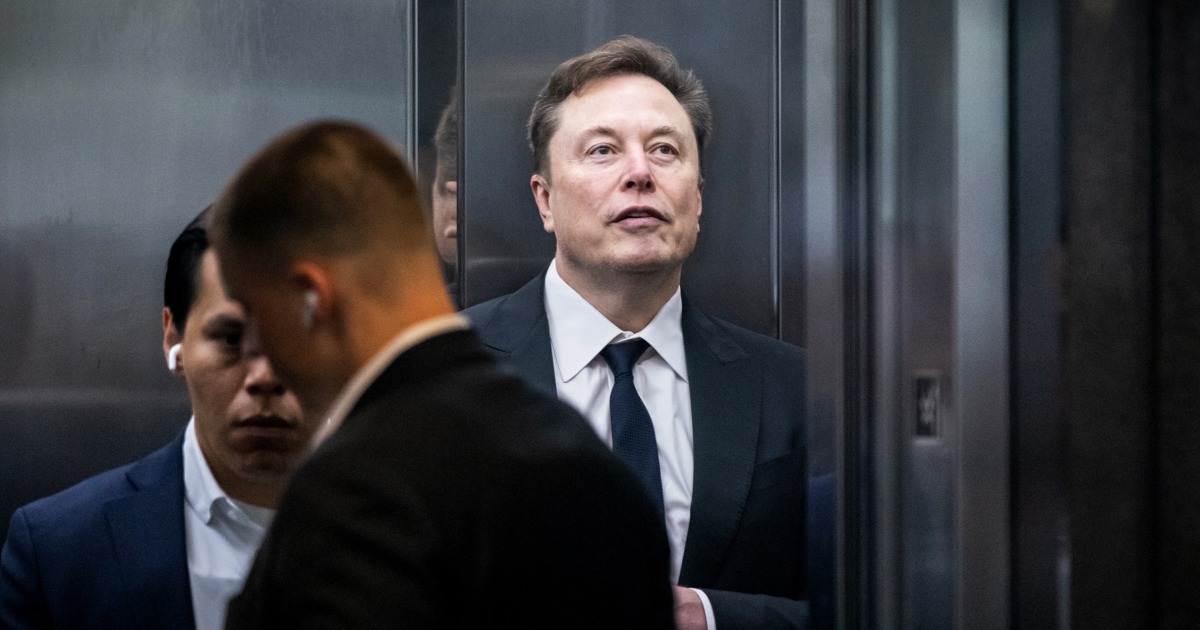
Elon Musk recently traveled to China with President Donald Trump, despite his ongoing involvement in a trial against OpenAI. The lawsuit, filed by Musk, accuses OpenAI of deviating from its original nonprofit mission by establishing a for-profit arm. Musk testified in the trial in Oakland, California, last month.
During the trial, U.S. District Judge Yvonne Gonzalez Rogers inquired about Musk's availability for recall as a witness. Despite being asked to remain on recall status, Musk left the witness stand and traveled to China with President Trump. Sources revealed that Musk did not seek permission from the judge before leaving and could still be called back to testify.
The situation underscores the unclear guidelines surrounding recall status in a trial involving high-profile individuals like Musk. Legal experts suggest that a typical witness would not leave the country if subject to recall, emphasizing the importance of communication between the witness's attorney and the judge.
While there is no strict rule on how close a witness should be to the courthouse when on recall status, it is usually determined by the judge's discretion. Musk's departure could potentially pose a challenge if he is called back to testify on the final day of evidence in the trial. As of now, Musk has not been recalled, and closing statements are scheduled for the following day.
In conclusion, Elon Musk's travel to China amid his trial with OpenAI has raised questions about the implications of recall status and the responsibilities of witnesses in legal proceedings. The situation highlights the need for clear communication and adherence to court directives to ensure a fair and efficient trial process.