Unveiling the Controversy: The Debate Surrounding i-Ready in American Public Schools
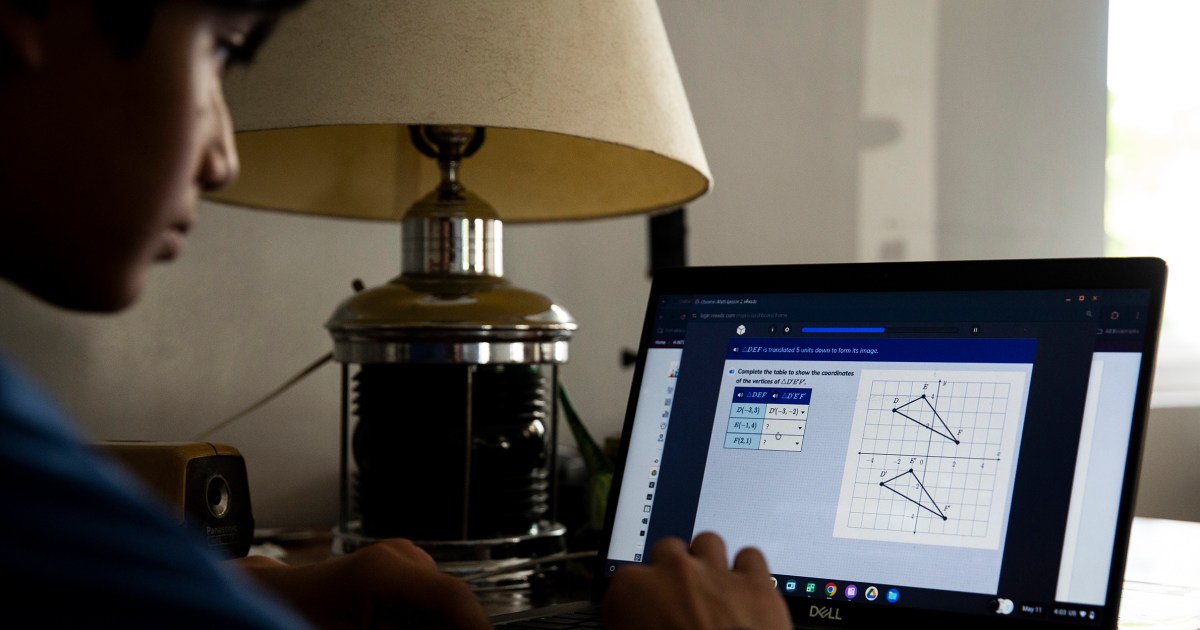
In Anchorage, Alaska, Katelynn Petersen, a math tutor, has observed numerous students struggling with i-Ready software, finding it dull and repetitive. Similarly, school speech therapist Denise Champney in Rhode Island and eighth grader Ward Wooden in Los Angeles express frustration with the software's animations and lack of engagement. i-Ready has become a prevalent tool in American public schools, reaching almost 14 million students annually, with the promise of identifying struggling students early on through personalized assessments in reading and math.
The software's popularity among administrators seeking to improve test scores has led to its widespread adoption, with nearly one-third of students from kindergarten to 12th grade using i-Ready nationwide. However, this growth has sparked criticism from parents, students, and teachers who view it as a time-wasting tool with questionable effectiveness in raising test scores. The lack of transparency in student answers, repetitive animations, and disengaging content have fueled the backlash against i-Ready.
As discontent with i-Ready mounts, parents, teachers, and students are questioning the amount of screen time students are exposed to in schools. The software's role in the broader debate on the effectiveness of education technology and its impact on student performance is being scrutinized. Despite Curriculum Associates' defense of i-Ready's efficacy and efforts to address complaints, the discontent with the software persists, with concerns ranging from lost instructional time to lack of student engagement.
Curriculum Associates, the company behind i-Ready, has faced criticism for its software's impact on students and teachers. While the company touts the software's benefits and positive outcomes in some districts, critics argue that the evidence supporting its effectiveness is lacking. The ongoing debate over i-Ready's role in education technology and its impact on student learning continues to fuel discussions among educators, parents, and policymakers.