Navigating Political Divides: A Closer Look at Ocasio-Cortez and Greene's Standpoints
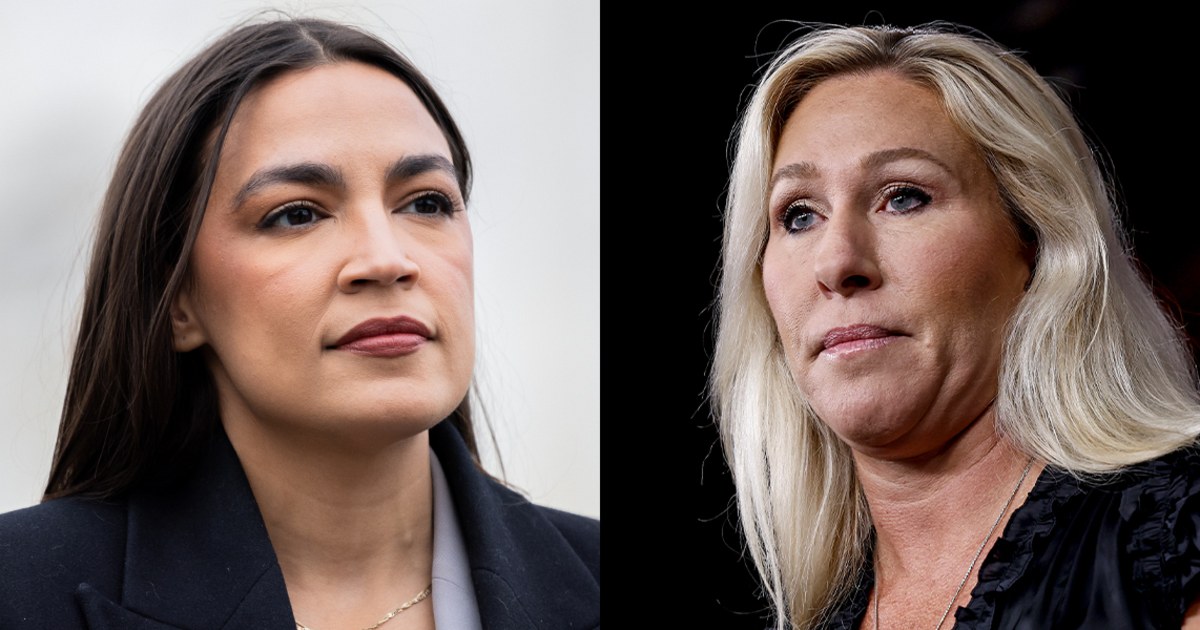
When Rep. Alexandria Ocasio-Cortez publicly criticized former Rep. Marjorie Taylor Greene, calling her an "antisemite" and a "bigot," it sparked controversy. Greene responded by defending herself, stating that she is not a bigot or antisemite but believes the U.S. should not fund Israel. Ocasio-Cortez reiterated her stance on working with individuals she trusts and drew a clear line, expressing her distrust of Greene on issues related to Gazans and Israelis.
The conversation between Ocasio-Cortez and a student at the University of Chicago Institute of Politics shed light on the complex political landscape in the current administration. Ocasio-Cortez's remarks about Greene's views and affiliations drew mixed reactions, with some on the left criticizing her stance. The political dynamics on both sides of the aisle have become increasingly convoluted, especially as potential 2028 candidates like Ocasio-Cortez and Greene navigate their positions.
Ocasio-Cortez's refusal to align with individuals like Greene on certain issues underscores her commitment to her principles and values. She emphasized that she would not follow the political strategies of other Democratic figures like Rep. Ro Khanna, who has collaborated with Greene on legislative matters. The distinctions between Ocasio-Cortez and Greene, both potential presidential candidates, highlight the divergent paths they might take in future political endeavors.
Greene's controversial statements and actions, including targeting Ocasio-Cortez and other Democratic representatives, have drawn criticism and scrutiny. Her past rhetoric and behavior have raised concerns among her colleagues and constituents. Despite facing backlash, Greene has stated that she no longer engages in toxic politics and seeks to move forward positively.
In the past, House Democrats considered censuring Greene for her offensive conduct and statements, prompting discussions about her removal from Congress. Greene's history of controversial remarks, including denying historical events and spreading false information, has fueled calls for accountability. Ocasio-Cortez's decision to draw a line against such behavior signals her commitment to upholding standards and not allowing shared grievances to overshadow past actions.
The political landscape continues to evolve, with figures like Ocasio-Cortez and Greene shaping the discourse and direction of their respective parties. Ocasio-Cortez's emphasis on evaluating Greene's complete record and taking a principled stand on issues like funding for Israel reflects a broader shift in political dynamics. As the 2028 election approaches, the choices made by political leaders will have lasting implications for the future of American politics.