Building Bridges: Healing America's Political Divide through Rural-Urban Collaboration
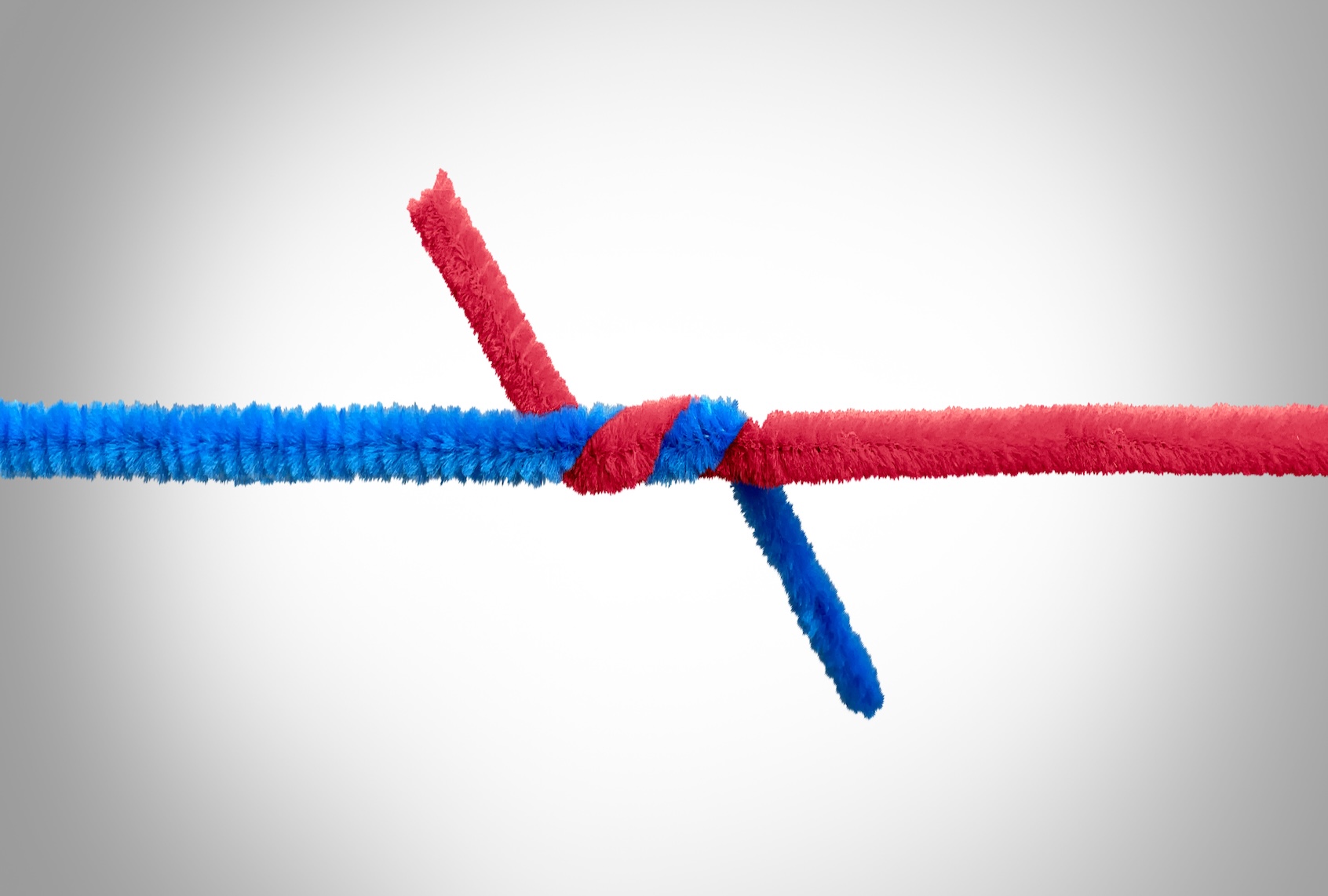
America is currently facing a deep political divide between Democrats and Republicans, conservatives and liberals, urban and rural residents. This divide is fueled by negative partisanship and polarization, leading to a lack of mutual understanding and respect among Americans. Despite these differences, research shows that rural and urban Americans actually agree on many public policy issues, indicating common ground for potential collaboration.
Efforts to bridge the rural-urban divide are crucial for healing the nation's dysfunctional politics and democracy crisis. Activists like Steve Radcliffe in Oregon are leading initiatives to facilitate respectful conversations and shared problem-solving between rural and urban residents. By promoting political civility and bipartisan cooperation, these efforts aim to create a more inclusive and participatory democracy.
The concept of deliberative and communicative democracy emphasizes the importance of dialogue and consensus-building in political decision-making. Polls indicate that Americans want their leaders to reduce political polarization and engage in more constructive dialogue. However, the rise of right-wing extremism and the influence of divisive cultural issues have deepened the rural-urban divide, posing challenges to fostering unity and understanding.
The dominance of the Republican Party in rural America, particularly under the influence of the MAGA coalition, has intensified the political divide and threatened democratic norms. Gerrymandering, voter suppression, and the disproportionate power of rural states have further exacerbated this imbalance. To counteract this trend, Democrats must engage with rural communities and present alternative visions for the country to compete for support and promote a more inclusive political landscape.
While efforts to promote dialogue and understanding across the rural-urban divide are essential, they may not be sufficient to address the broader democracy crisis facing America. The rejection of basic civility and respect by a significant portion of the Republican base and the MAGA movement poses a significant challenge to fostering national unity. As the country approaches its 250th anniversary, the need for a national reunion and a return to healthy civic and political life is more pressing than ever.
In conclusion, America's political family is deeply fractured, but there is hope for reconciliation through dialogue, mutual respect, and a commitment to shared problem-solving. By bridging the rural-urban divide and promoting political civility, Americans can work towards a more inclusive and participatory democracy that reflects the diverse perspectives and values of the nation.